
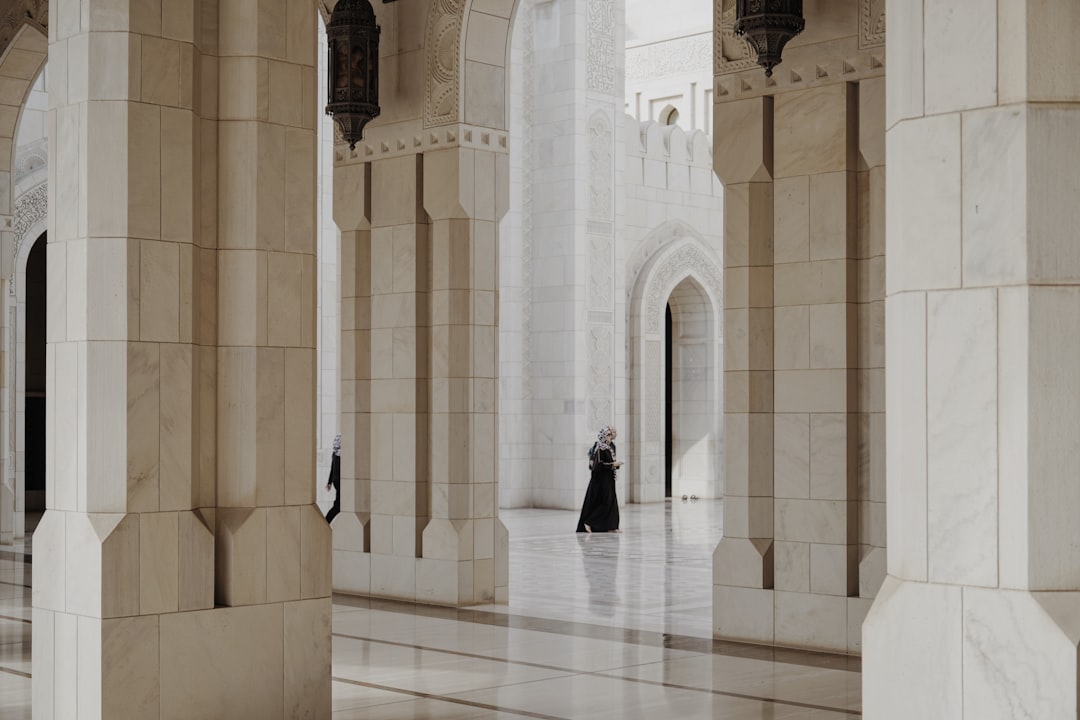

The Mosque in Oman is a place of worship that embodies the spirituality and culture of a people deeply connected to their traditions. Located in the heart of this fascinating Middle Eastern country, the mosque represents not only a center for prayer but also a symbol of unity and community for Muslims. Its architecture, which blends traditional and modern elements, offers a unique visual and spiritual experience, making it a must-visit for anyone traveling to Oman.

Throughout history, mosques have played a fundamental role in the social and religious life of the inhabitants. Initially, these spaces were simple prayer areas, but over time they evolved into more elaborate structures, complete with minarets and ornamental niches. This architectural evolution reflects not only the growth of the Muslim community but also the importance of faith in daily life.
Historical and Cultural Context

Mosques are an integral part of Islamic culture and serve as gathering centers for the faithful. In Oman, the mosque represents a landmark that is not only religious but also cultural. Its construction is often the result of a collective effort by the community, highlighting the importance of collaboration in the Islamic faith. Traditionally, mosques are designed to accommodate worshippers in prayer but also to host community events and religious teachings, thus contributing to social cohesion.
Moreover, the architecture of mosques in Oman is characterized by a mix of local influences and Islamic styles, creating an environment that is both sacred and welcoming. The minarets, domes, and intricate mosaics tell stories of faith and devotion, making each visit a rich experience of meaning and beauty. The mosque is also a place where tradition meets modernity, reflecting the changes and challenges that Omani society faces in the contemporary world.

What Stands Out About the Place
One of the most fascinating features of the mosque is its architectural design, which combines elegance and functionality. The clean lines and open spaces invite meditation and reflection, while decorative details, such as mosaics and calligraphy, tell stories of art and culture. The atmosphere of tranquility and sacredness that permeates its walls is palpable, making each visit a moment of introspection and connection with spirituality.
Additionally, the mosque is a place where one can observe the daily practices of Muslims, offering visitors a unique opportunity to better understand the Islamic faith. The rituals of purification and prayers, performed with great devotion, are deeply moving moments that allow appreciation of the beauty of Islamic spirituality and its impact on the daily lives of people.
Visiting Experience
Visiting the mosque is an experience that goes beyond mere architectural observation. It is an opportunity to immerse oneself in a different culture, to learn and understand the traditions of a people. Visitors are welcomed with warmth and hospitality, and often have the chance to participate in guided tours that provide insights into the history and religious practices associated with the mosque. These moments of interaction can greatly enrich the experience, making it memorable and meaningful.
It is important to respect the behavioral norms within the mosque, such as dressing appropriately and maintaining a respectful attitude during prayers. This attention to mutual respect not only enriches the personal experience but also contributes to creating an environment of dialogue and understanding between different cultures.


