
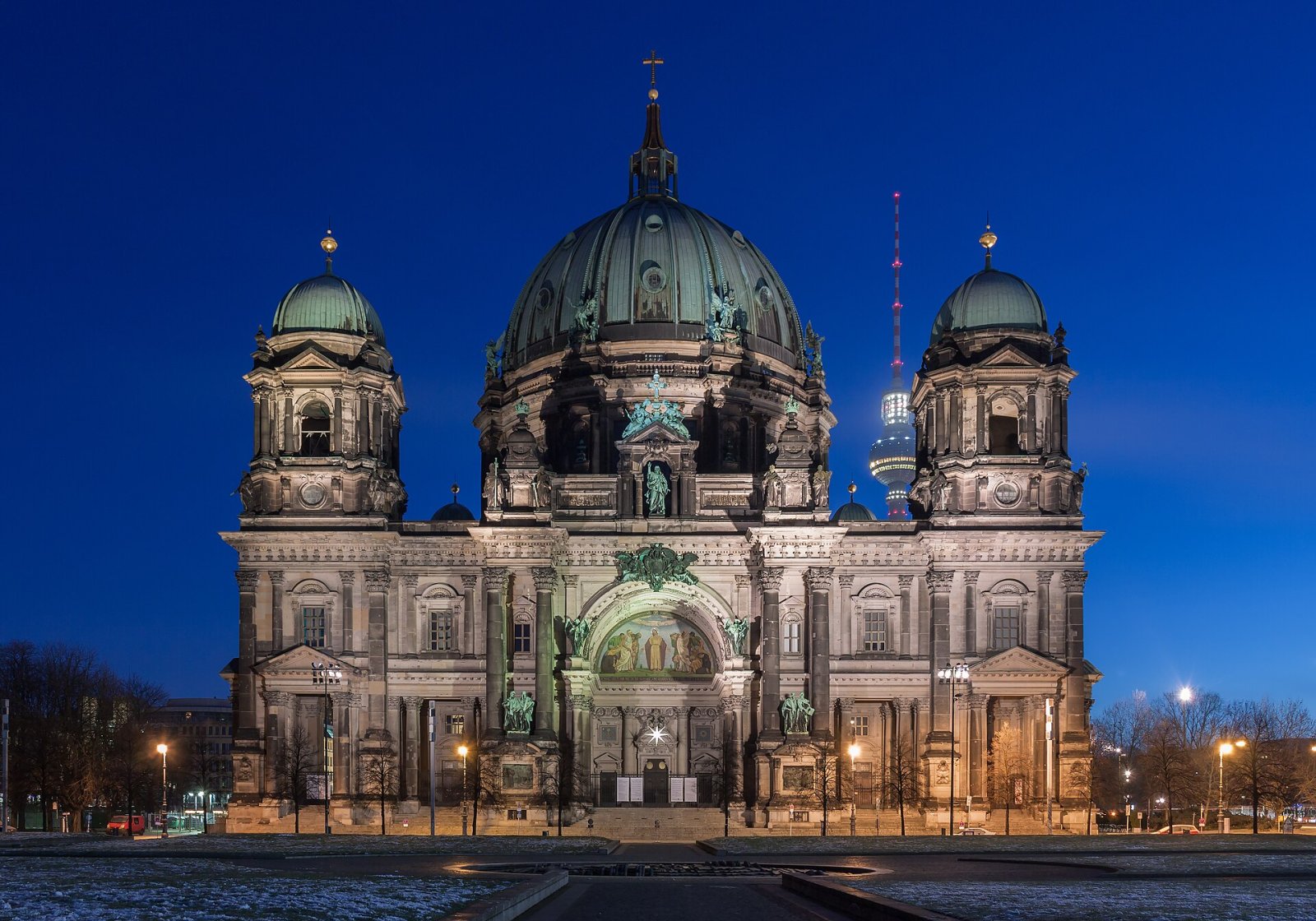

The Berliner Dom, with its majestic dome and architectural charm, is one of the iconic places in Berlin, the capital of Germany. Located in the heart of the city, this imposing building is not only a place of worship but also represents an important cultural and historical center. Its construction, dating back to the early 20th century, reflects the grandeur and complexity of Berlin's history, making it a must-see for anyone visiting the city.
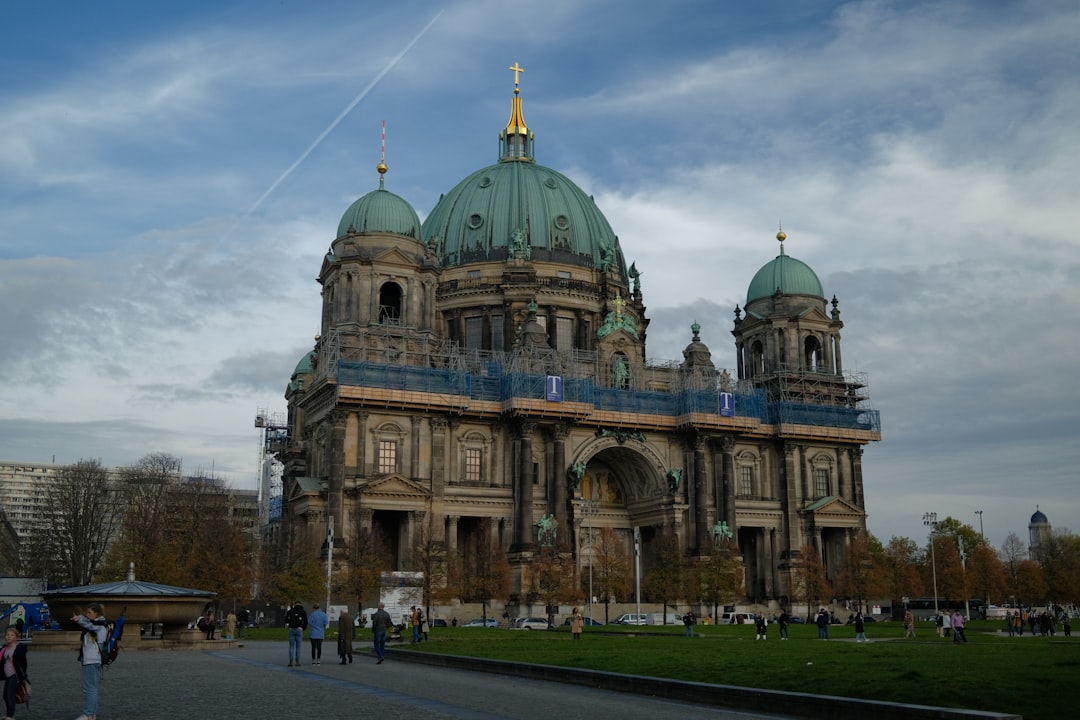
The cathedral, which rises majestically on Museum Island, is easily recognizable for its green dome and decorated facades. This monument is not only an example of baroque and renaissance architecture but also a symbol of the city's resilience, having risen again after the devastations of World War II. Today, the Berliner Dom is a meeting place for visitors and an important landmark for the residents of Berlin.
Historical and Cultural Context
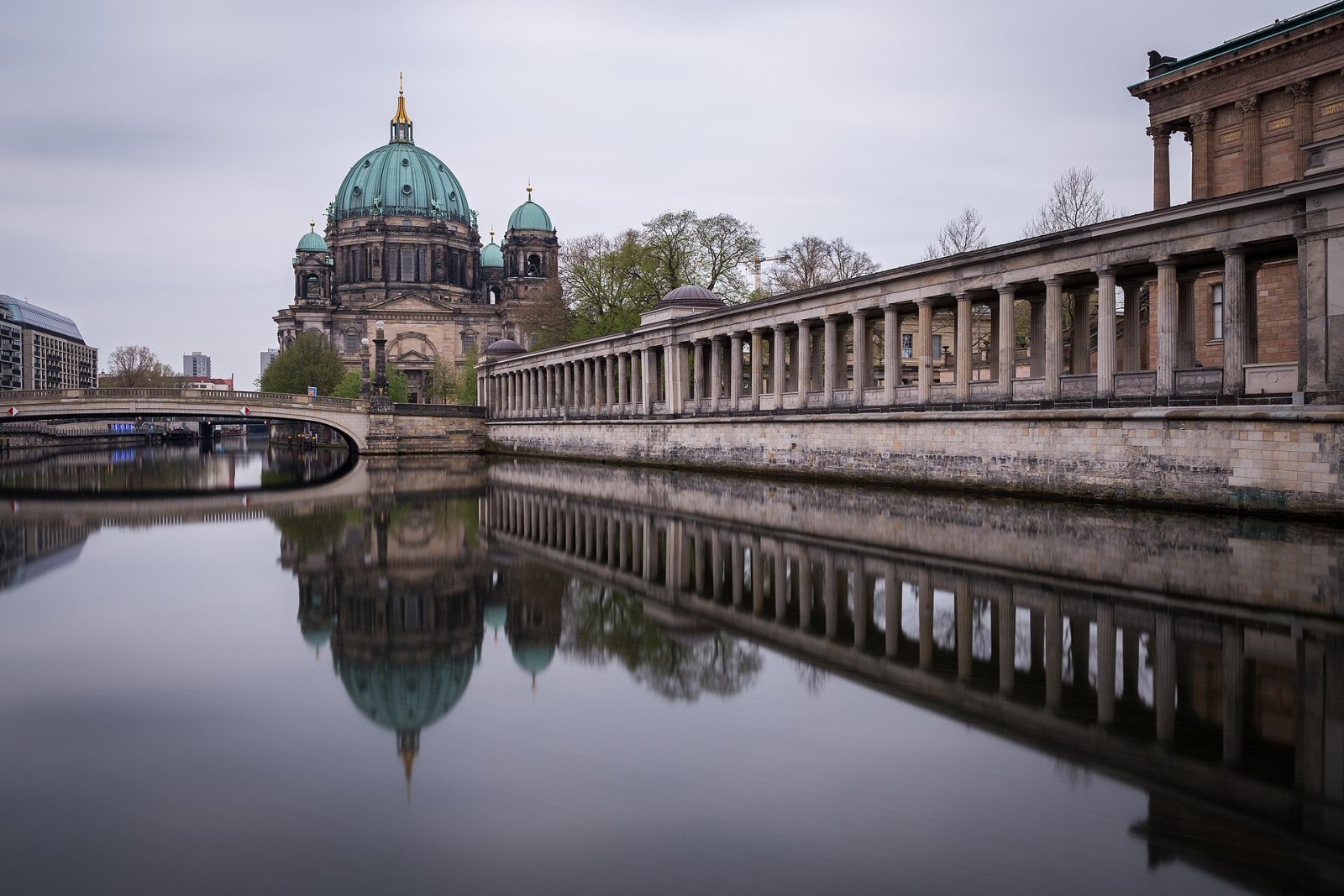
The Berliner Dom was inaugurated in 1905 and has undergone several transformations over the years. Originally conceived as a Protestant cathedral, it became a symbol of Prussian power and its cultural heritage. Its architecture, designed by architect Julius Raschdorff, combines different styles, creating a unique atmosphere that reflects Berlin's tumultuous history. After the war, the cathedral was severely damaged but was restored with great care, restoring its original beauty.
The location of the Berliner Dom on Museum Island is not coincidental. This area is a UNESCO World Heritage site and hosts some of Berlin's most important cultural institutions, including museums and art galleries. Therefore, the cathedral is not only a place of worship but also a cultural landmark that attracts visitors from all over the world, eager to explore Berlin's rich history.
What Impresses About the Place
One of the most impressive features of the Berliner Dom is its dome, which offers breathtaking panoramic views of the city. Climbing the 270 steps that lead to the top, visitors can admire the panorama of Berlin, with its historic monuments and vibrant urban life. The view from the dome is particularly striking at sunset when the city lights up with warm and welcoming lights.
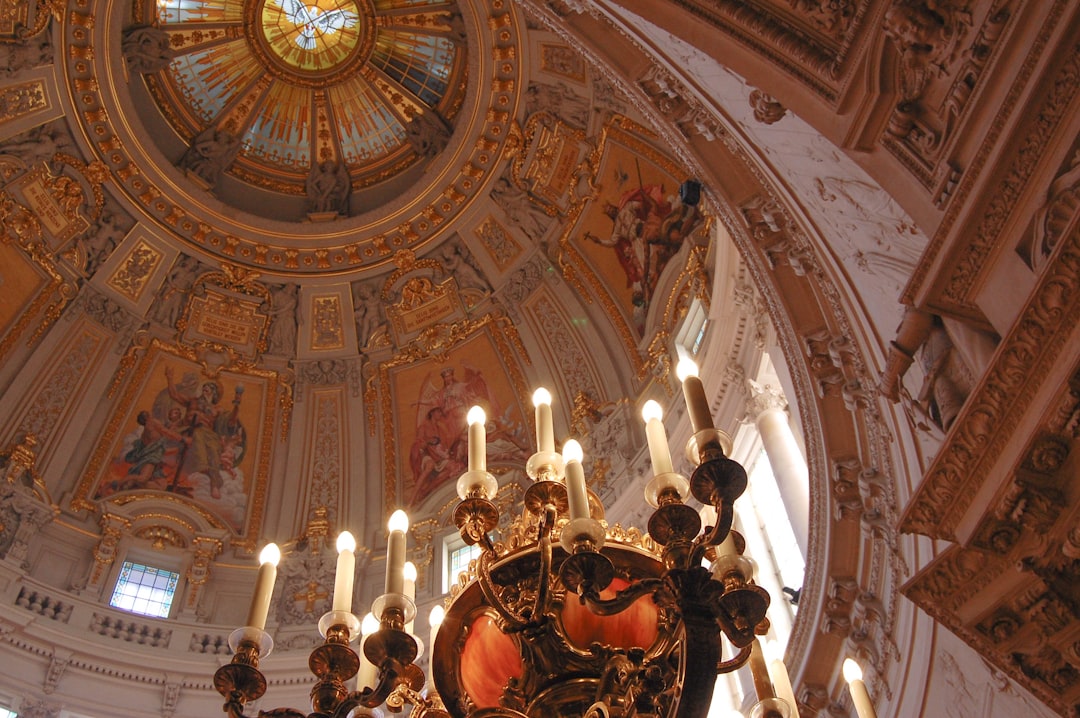
Inside, the Berliner Dom is equally fascinating. The decorations and mosaics, crafted with great skill, tell biblical stories and the history of the city. The crypt, which houses the tombs of members of the Prussian imperial family, adds an additional layer of historical depth to this already meaningful place. The combination of art, architecture, and history makes a visit to the Berliner Dom an unforgettable experience.
Visiting Experience
Visiting the Berliner Dom is an experience that engages all the senses. Upon entering, visitors are welcomed by an atmosphere of sacredness and beauty, while the sound of voices resonating inside creates a sense of community and connection. It is possible to participate in religious services, concerts, and cultural events that are regularly held in the cathedral, offering a unique opportunity to experience the place authentically.
For those who wish to deepen their knowledge of the Berliner Dom, guided tours are available that provide detailed information about the history and architecture of the building. These tours are an excellent way to discover anecdotes and curiosities that might otherwise be missed during a self-guided visit. Additionally, the café located near the cathedral is the perfect place to relax and reflect on the experience just had.


