
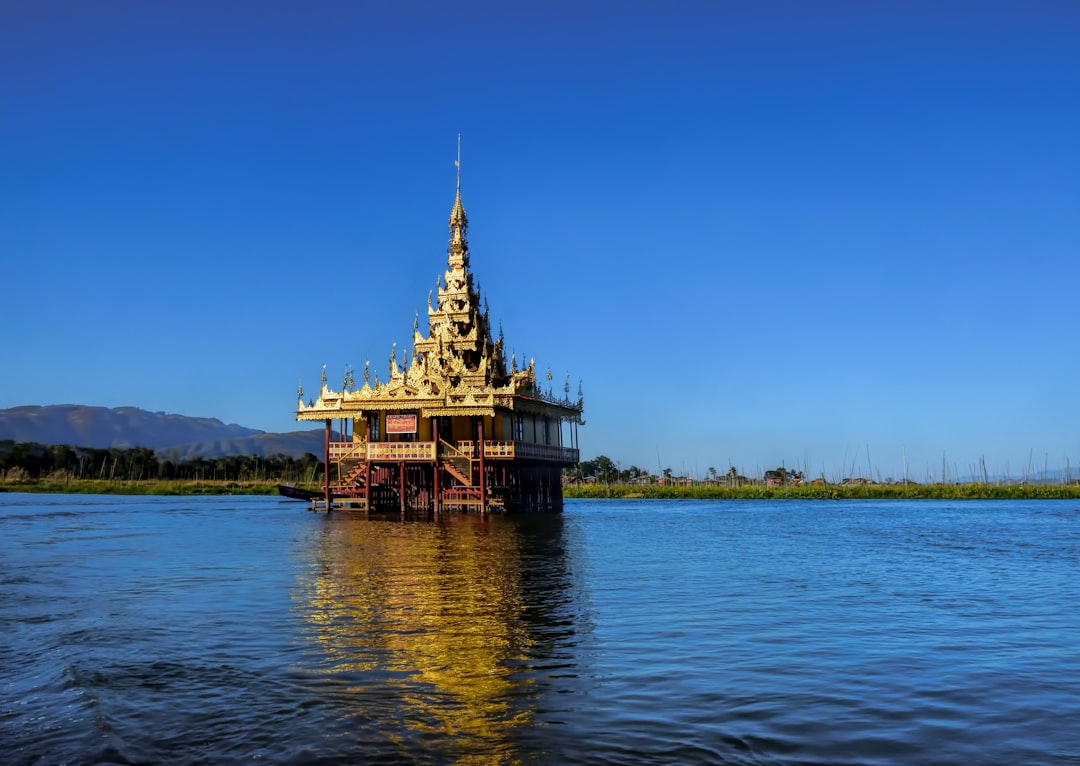

In the heart of Myanmar, 1843 is a year that marks a significant milestone in the history of this fascinating country. Although specific details about historical events from that period are not available, one can imagine a rich cultural and social context influenced by local traditions and interactions with the colonial powers of the time. Myanmar, with its millennia-old history, offers visitors a unique opportunity to explore a past steeped in traditions and changes.
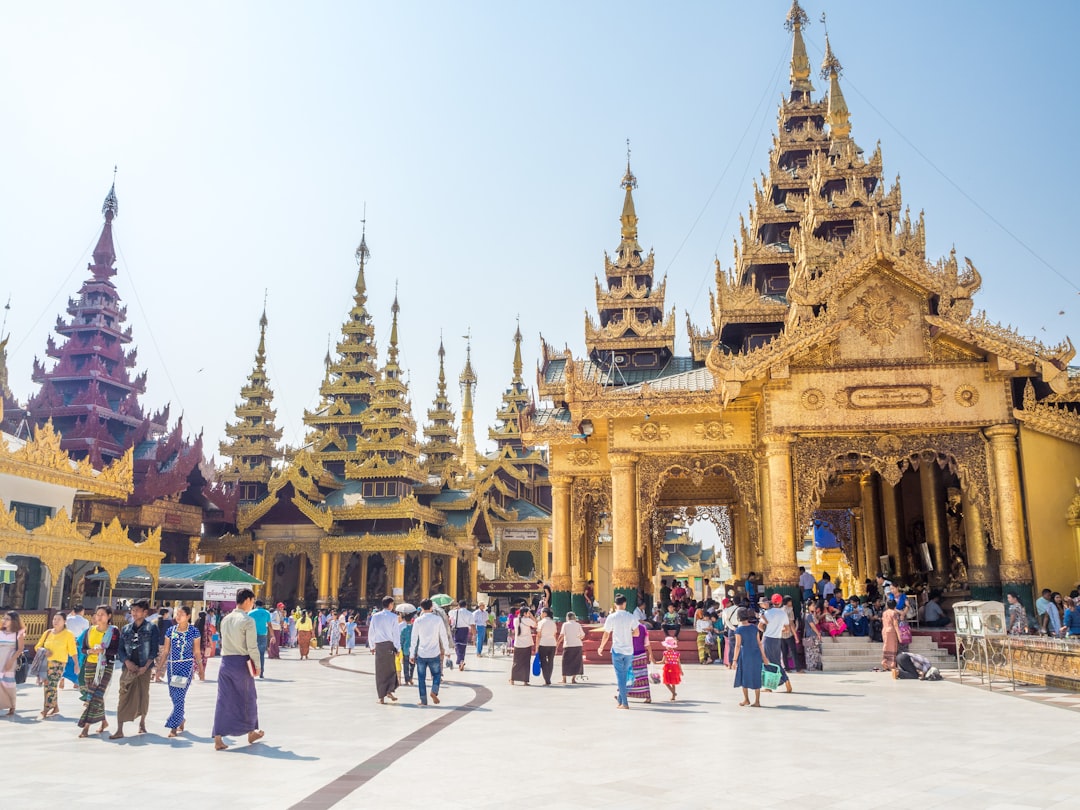
Traveling in Myanmar means immersing oneself in a mosaic of cultures, religions, and traditions that intertwine throughout history. The year 1843 can be seen as a symbol of an era when the country was undergoing significant transformations, influenced by both external and internal contexts. Discovering this period requires a magnifying glass on the daily life, customs, and beliefs that characterize Burmese society.
History and Origins
The history of Myanmar is complex and fascinating, with roots that delve into ancient civilizations. In 1843, the country was in a transitional period, with British influences beginning to be felt. Interactions with colonizers led to a blend of cultures that enriched the local heritage. Although the specific year does not carry documented historical events, it represents a reference point for understanding the dynamics of that time.
The origins of Myanmar intertwine with the formation of kingdoms and dynasties that have left an indelible mark on the cultural landscape. The rich Buddhist tradition, along with local practices, has shaped the identity of the country. The year 1843 can be interpreted as a reflection of these interactions, which continue to influence contemporary life.
Elements to Observe
Visiting Myanmar, travelers can discover a range of historical and cultural elements that date back centuries. Temples, pagodas, and colonial architecture tell stories of a fascinating past. The famous Shwedagon Pagoda, majestically rising in Yangon, is an extraordinary example of Burmese spirituality and art, which has continued to evolve over time.
Moreover, traditional crafts, such as lacquerware and textiles, are witnesses to a vibrant and ever-changing cultural heritage. Local markets, filled with colors and scents, offer an immersion into the daily customs of the population, allowing visitors to appreciate the richness of Burmese life.
Why It Is Interesting Today
Today, Myanmar is a country undergoing a phase of change, with an opening towards the outside world that has led to renewed interest in its culture and history. The year 1843, although lacking specific documented events, represents a point of reflection on how the past influences the present. The resilience of the Burmese people and their desire to preserve their traditions are elements that make the country fascinating for travelers.
Additionally, Myanmar offers authentic experiences, away from mass tourism. Visitors can discover remote villages, participate in local festivals, and interact with the population, experiencing something beyond just a trip. The history, traditions, and natural beauties of Myanmar intertwine in a narrative that continues to evolve, making each visit an opportunity to discover something new.
Practical Information for Visitors
For those wishing to visit Myanmar, it is important to plan the trip carefully, taking into account local customs and cultural practices. The best season to visit the country is from November to February, when the weather is cooler and drier. Travelers should also be aware of the norms of respect in sacred places, wearing appropriate clothing and behaving respectfully.
Finally, for an even more enriching experience, it is recommended to use apps like Secret World, which offer detailed information and useful tips for exploring Myanmar in a conscious and informed way. Discovering this wonderful country means immersing oneself in a living history, filled with unforgettable encounters and discoveries.


