


1805 represents a year of particular relevance in the historical context of Myanmar, a country rich in culture and millennia-old traditions. This year, which begins and ends on a Tuesday, marks a period of transition and development that has influenced the course of Burmese history. Myanmar, known for its breathtaking landscapes and cultural heritage, offers visitors the opportunity to explore not only its iconic places but also to immerse themselves in stories that date back centuries.
The region in which 1805 is situated is characterized by a variety of historical, cultural, and political influences that have contributed to shaping Myanmar's identity. Visitors who venture into this corner of the world can rediscover the roots of a civilization that has faced challenges and transformations over time.
History and Origins
1805 is a year of great importance for Myanmar, as it represents a period of political and social evolution. Although specific details regarding particular events of that time are not available, it can be inferred that the year witnessed significant internal dynamics, reflecting the tensions and interactions among the various ethnic communities present in the country. These interactions have contributed to forming the foundations of a complex society that continues to evolve even today.
Moreover, the historical context of 1805 fits into a period of expansion and consolidation for many states in the region. External influences, as well as internal struggles, undoubtedly impacted the daily lives of people, making this year a reference point for understanding Myanmar's past and its origins.
Elements to Observe
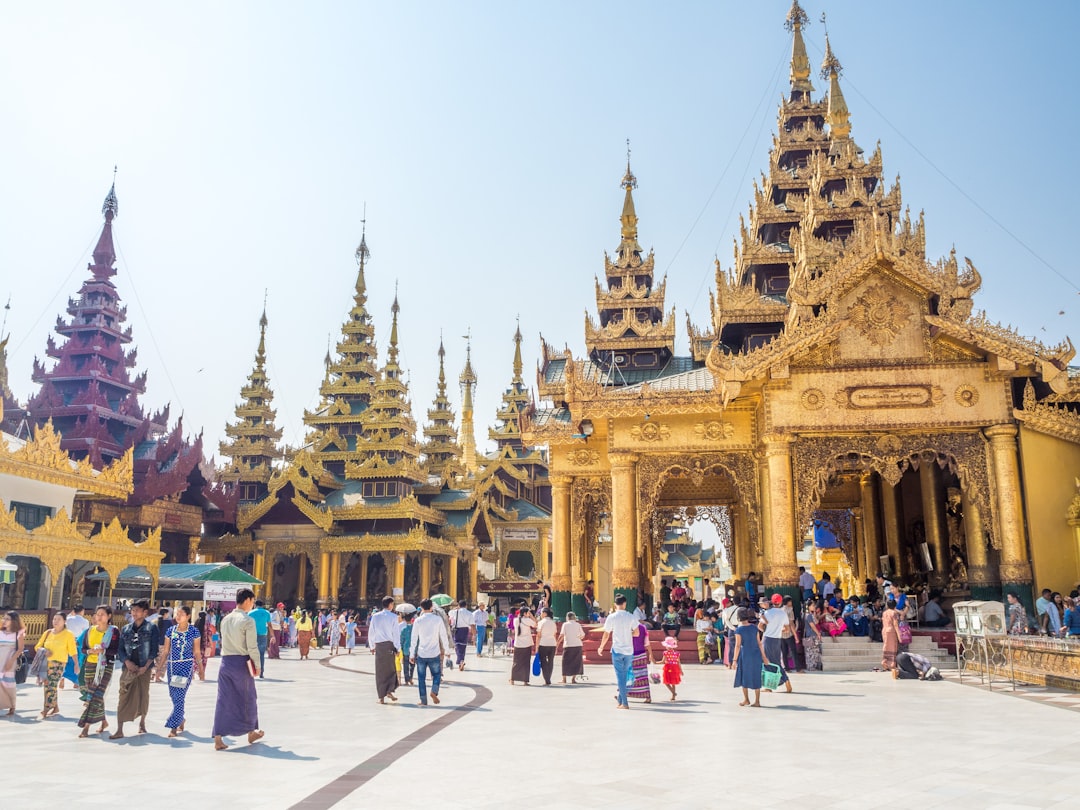
When visiting Myanmar, one can notice a series of architectural and cultural elements that date back to different historical periods, including the early years of the 19th century. The temples and pagodas, with their intricate decorations and fascinating stories, are witnesses to a past rich in spirituality and art. Burmese architecture, with its elegant lines and vibrant colors, offers a glimpse into the stylistic evolution that has taken place over the centuries.
Furthermore, the daily life of the inhabitants, culinary traditions, and local festivals reflect a cultural heritage that has been forged over time. Observing how different communities interact and celebrate their customs is an experience that enriches the journey and offers a unique perspective on life in Myanmar.
Why It Is Interesting Today
Today, 1805 may seem just a date on a calendar, but for Myanmar, it is a symbol of resilience and transformation. Understanding the historical significance of this year helps to contextualize the contemporary challenges of the country, which is trying to balance modernity and tradition in a rapidly changing world. Visitors can draw inspiration from Myanmar's ability to face difficulties and keep its culture alive.
Moreover, the growing interest in sustainable and responsible tourism in Myanmar invites travelers to explore the country mindfully. The year 1805 thus becomes a starting point for broader reflections on how to preserve and enhance cultural heritage while promoting a dialogue between the past and the present.
Practical Information for Visitors
For those wishing to visit Myanmar and discover its history, it is advisable to plan the trip carefully. The best season to visit is during the cooler months, from November to February, when temperatures are milder and weather conditions favorable. It is important to inform oneself about local regulations and respect cultural traditions to ensure an authentic and respectful experience.
Finally, to facilitate the exploration of Myanmar's wonders, the Secret World app offers valuable information and useful tips for travelers, making each visit an opportunity for learning and discovery.


