
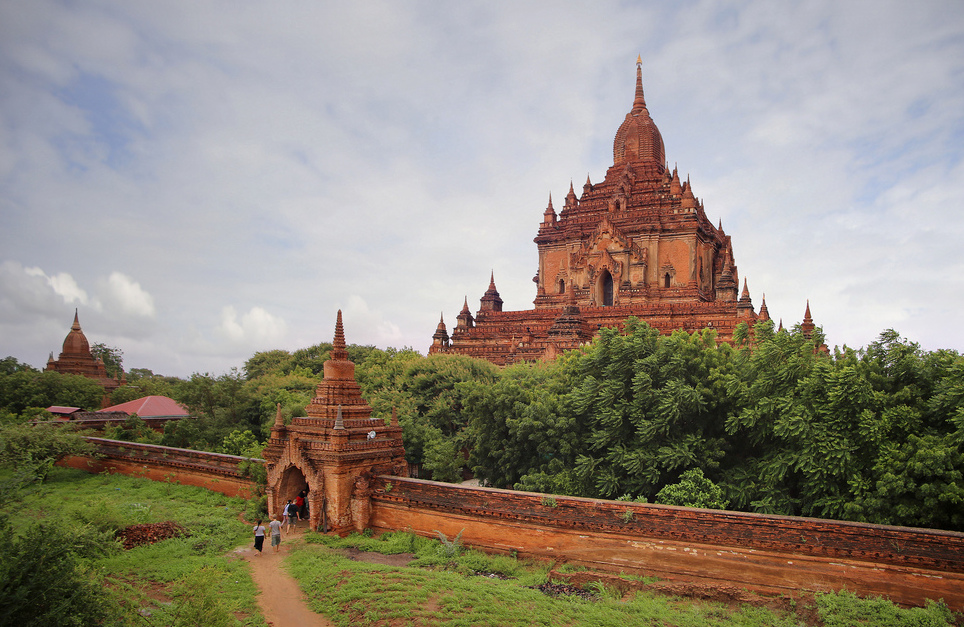

The Htilominlo Temple, an architectural gem of Nyaung-U in Myanmar, stands as a testament to the rich history and spirituality of the Bagan region. Constructed in 1218 during the reign of King Htilominlo, also known as Nandaungmya, this temple is renowned as the last of the traditional Myanmar-style temples. Its very foundation is steeped in legend, with tales recounting how King Htilominlo was chosen as the next ruler by his father through an ancient rite involving a white umbrella. According to lore, five princes stood in a circle, and the one favored by the bending of the white umbrella was destined for the throne.
The Htilominlo Temple rises to a height of 46 meters (151 feet) and features three distinct tiers. Crafted primarily from red brick, its design echoes the earlier Sulamani Pahto and Gawdawpalin temples, both commissioned by Htilominlo’s father. Each level of the temple is adorned with four Buddha statues, meticulously positioned to face each of the cardinal directions. This thoughtful arrangement enhances the temple's spiritual ambiance, inviting visitors to engage with its sacred essence from every angle.
The architectural style of Htilominlo is particularly noteworthy for its ornamental tower, or sikhara, which is reminiscent of the gilded tower atop the Ananda Temple but retains its unadorned brick charm. The temple’s exterior is rich with intricate carvings and decorative motifs that reflect the artistic brilliance of the era. Each element of its design speaks to the dedication and craftsmanship of the artisans who labored on this magnificent structure, making it a vital piece of Myanmar’s architectural heritage.
In addition to its historical and architectural significance, the Htilominlo Temple plays a crucial role in the local culture. The surrounding community engages in numerous traditional practices and festivals that celebrate both the temple and the broader Buddhist faith. One such event is the Ananda Pagoda Festival, held annually, where locals partake in vibrant processions, food offerings, and prayers. These celebrations not only honor the spiritual significance of the temple but also reinforce the communal bonds that tie the people of Nyaung-U together.
Food is an integral part of life in Nyaung-U, and visitors will find a delightful array of local dishes that reflect the region’s culinary heritage. Mohinga, a traditional rice noodle soup often enjoyed for breakfast, is a must-try. Its savory broth, made with fish and spices, embodies the flavors of Myanmar. Another favorite is Burmese curry, typically accompanied by fragrant rice and various side dishes. Don’t miss the chance to sample palata, a flaky pastry that can be found at street stalls, often filled with sweet or savory fillings. To wash it all down, a glass of refreshing lemon tea or a local beer like Myanmar Beer complements the meal perfectly.
While the Htilominlo Temple attracts many visitors, there are lesser-known curiosities that enhance its allure. One such detail is the temple’s unique brickwork, which, over the centuries, has developed a rich patina that gives it an aura of antiquity. The temple also houses a fascinating collection of ancient relics, many of which remain undiscovered by the average tourist. Those willing to explore the temple’s less-trafficked corners may find hidden niches containing small statues and wall carvings that tell stories of the region’s vibrant past.
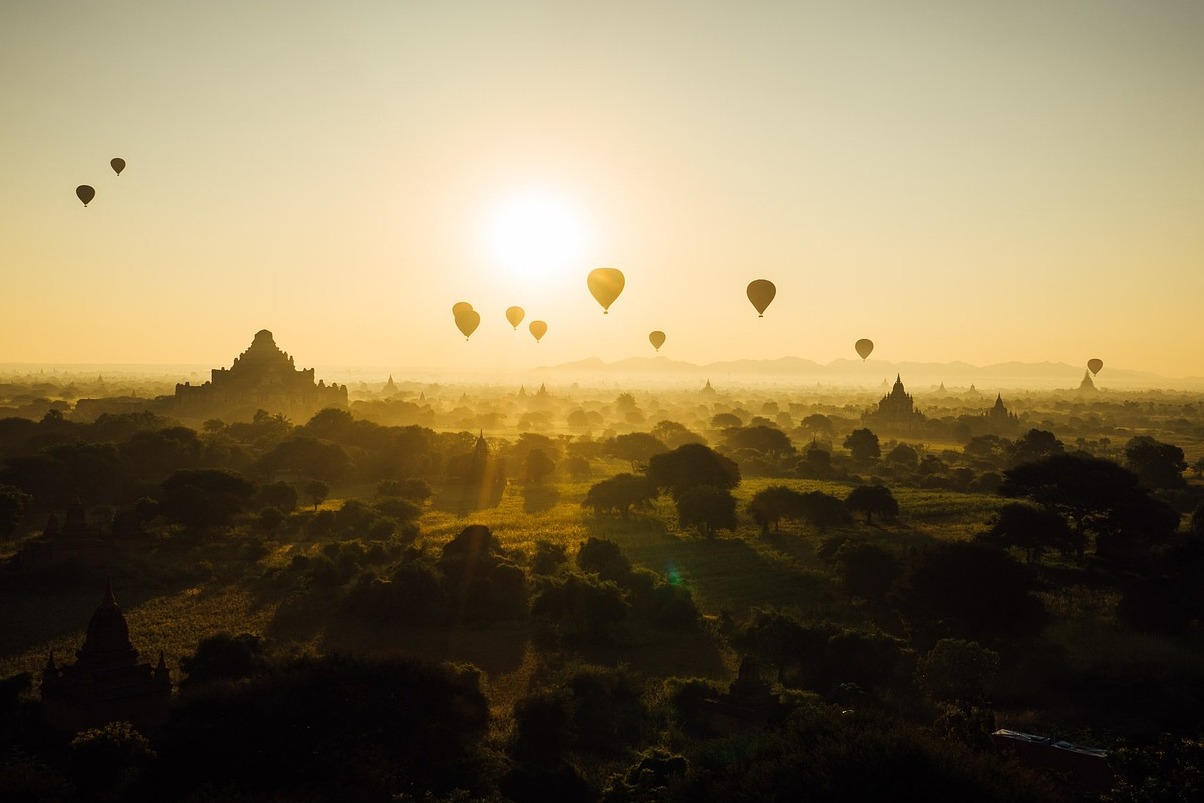
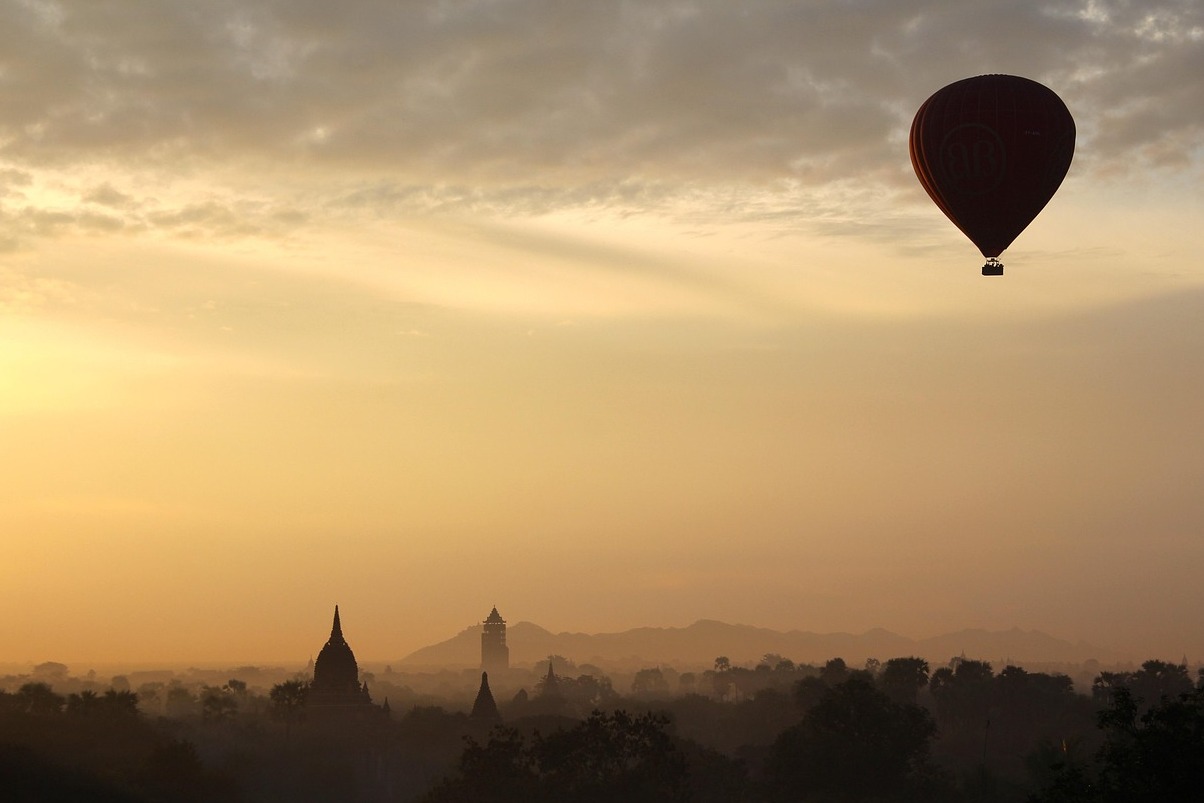
For those planning a visit, the best time to explore the Htilominlo Temple is during the cooler months from November to February, when the weather is pleasantly warm and dry. Arriving early in the morning or later in the afternoon allows you to experience the temple bathed in the soft golden light of sunrise or sunset, creating a magical atmosphere. Ensure you wear respectful clothing, as this is a sacred site, and consider bringing a small offering for the monks who often bless visitors with chants.
As you wander through the temple’s hallowed halls, take a moment to absorb the tranquility and spirituality that envelops the space. Pay attention to the intricate details that define its architecture and the serene expressions of the Buddha statues. Each visit offers a new perspective and an opportunity for reflection, making the Htilominlo Temple a true gem in the heart of Myanmar.
To enhance your journey, consider using the Secret World app to craft a personalized itinerary that leads you through the wonders of Nyaung-U and beyond.


