
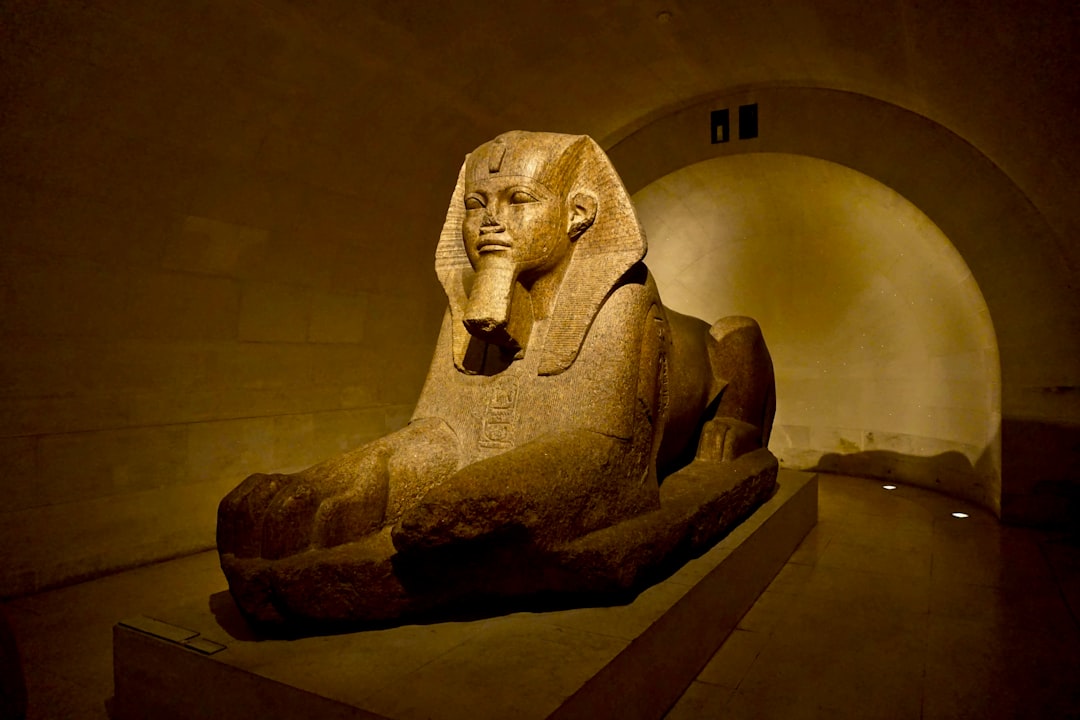

In the heart of Cairo, the Egyptian Geological Museum represents an important cultural institution that offers a unique window into the history of the Earth and its natural wonders. Founded in 1901, this museum is the first of its kind in the Middle East and Africa, aiming to educate and fascinate visitors through a vast collection of geological and paleontological artifacts. Located in the Cairo governorate, the museum is easily accessible and perfectly fits into the historical and cultural context of the Egyptian capital.
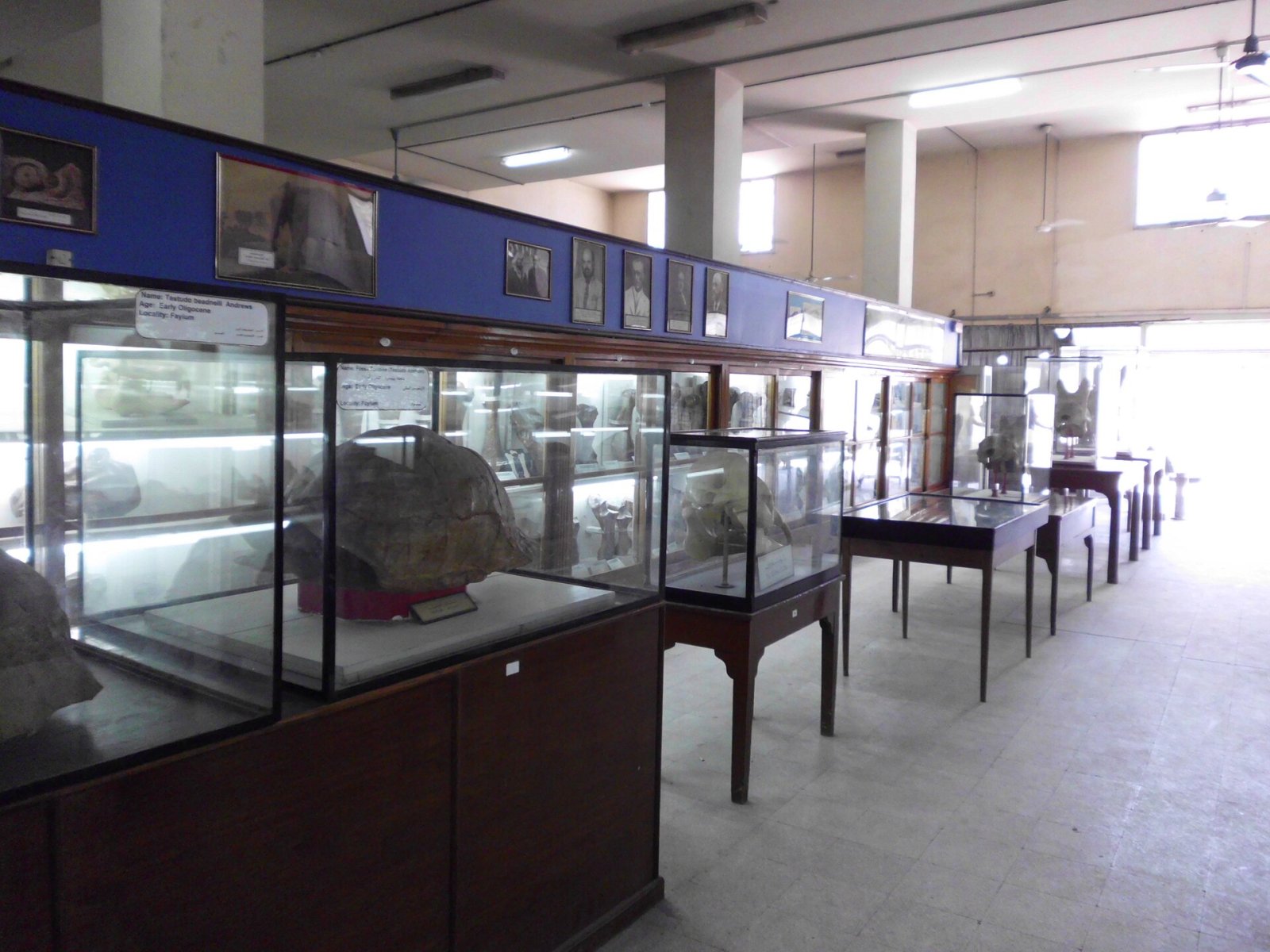
The museum was conceived as part of the Egyptian Geological Service, initiated in 1896 under the direction of Khedive Ismail. The building housing the museum, designed by French architect Marcel Dourgnon, features a neoclassical style that recalls ancient civilizations. This place is not just a repository of fossils and minerals, but a true center for research and study for geologists and paleontologists.
Historical and Cultural Context
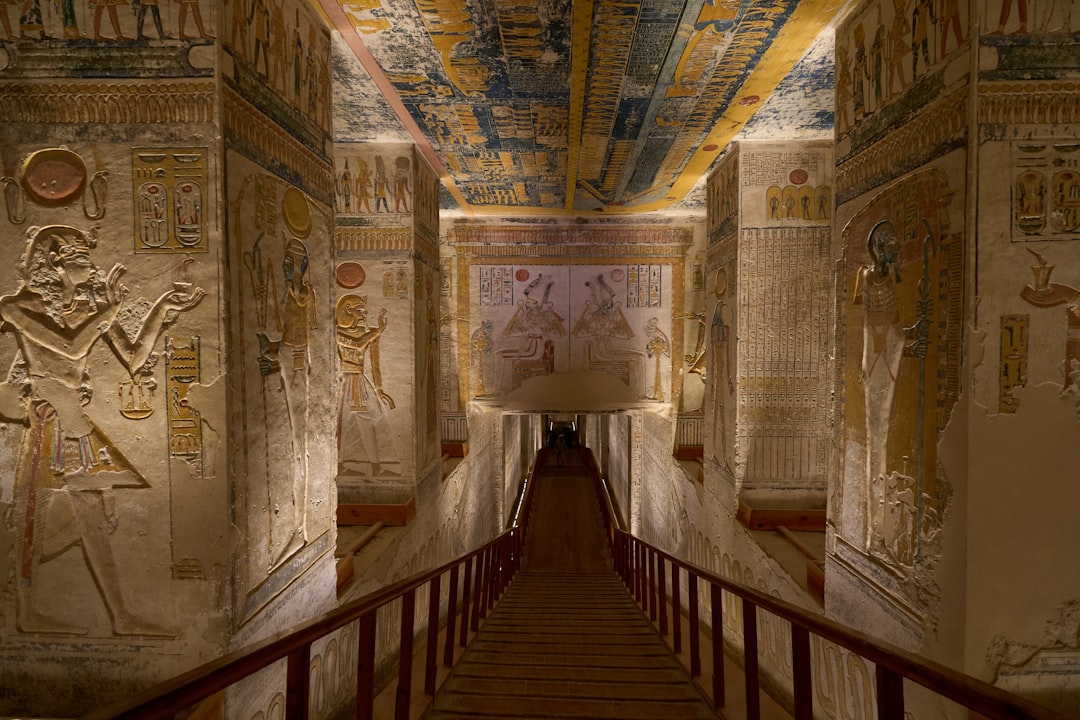
The Egyptian Geological Museum was inaugurated during a crucial period for Egypt, when the country was seeking to modernize and assert itself on the international stage. Its creation marks a significant step in enhancing the country's natural resources and understanding African geology. The collection of artifacts, which includes fossils dating back to ancient times, offers visitors a unique opportunity to reflect on the history of life on Earth and the evolution of species over the millennia.
During World War II, the museum faced significant challenges, needing to protect its most valuable artifacts by burying them in sand to prevent their destruction. This episode highlights the importance of conservation and enhancement of natural heritage, a theme that remains relevant today. Thus, the museum is not only a celebration of geology but also a symbol of resilience and determination to preserve history.
What Impresses About the Place
Upon entering the Egyptian Geological Museum, visitors are immediately struck by the variety and quality of the displayed artifacts. Among the main attractions are the remains of an ancient elephant, three meters tall, which testify to the richness of prehistoric fauna in Egypt. Each exhibition is carefully curated, allowing visitors to appreciate not only the beauty of the fossils but also their scientific importance.
Another fascinating aspect of the museum is its architecture. The ceiling of the exhibition area, four meters high, is designed to accommodate large artifacts, creating an atmosphere that invites discovery and learning. Strategic lighting highlights the details of the fossils, making the visual experience even more engaging and memorable.
Visiting Experience
Visiting the Egyptian Geological Museum is an experience that enriches not only culturally but also educationally. The information provided through explanatory panels and guides makes complex topics accessible, allowing everyone to better understand the history of the Earth. Visitors can spend hours exploring the various rooms, each of which tells a part of Egypt's and the world's geological history.
Moreover, the museum offers educational programs and workshops for schools and groups, making it an ideal place for families and science enthusiasts. The opportunity to interact with experts and participate in hands-on activities makes the visit even more engaging and stimulating.
Practical Information for Visitors
The Egyptian Geological Museum is open to the public with flexible hours, allowing visitors of all ages to plan their visit. It is advisable to check the opening hours before going to the museum, as they may vary depending on the season or special events. Admission is generally accessible at a moderate cost, making this cultural experience affordable for everyone.
It is recommended to dedicate at least a couple of hours to thoroughly explore the museum. Additionally, for an even richer experience, it is possible to download the Secret World app, which offers additional information and tips to maximize the visit. This tool can be useful for those who wish to delve deeper into the topics covered in the museum.


