
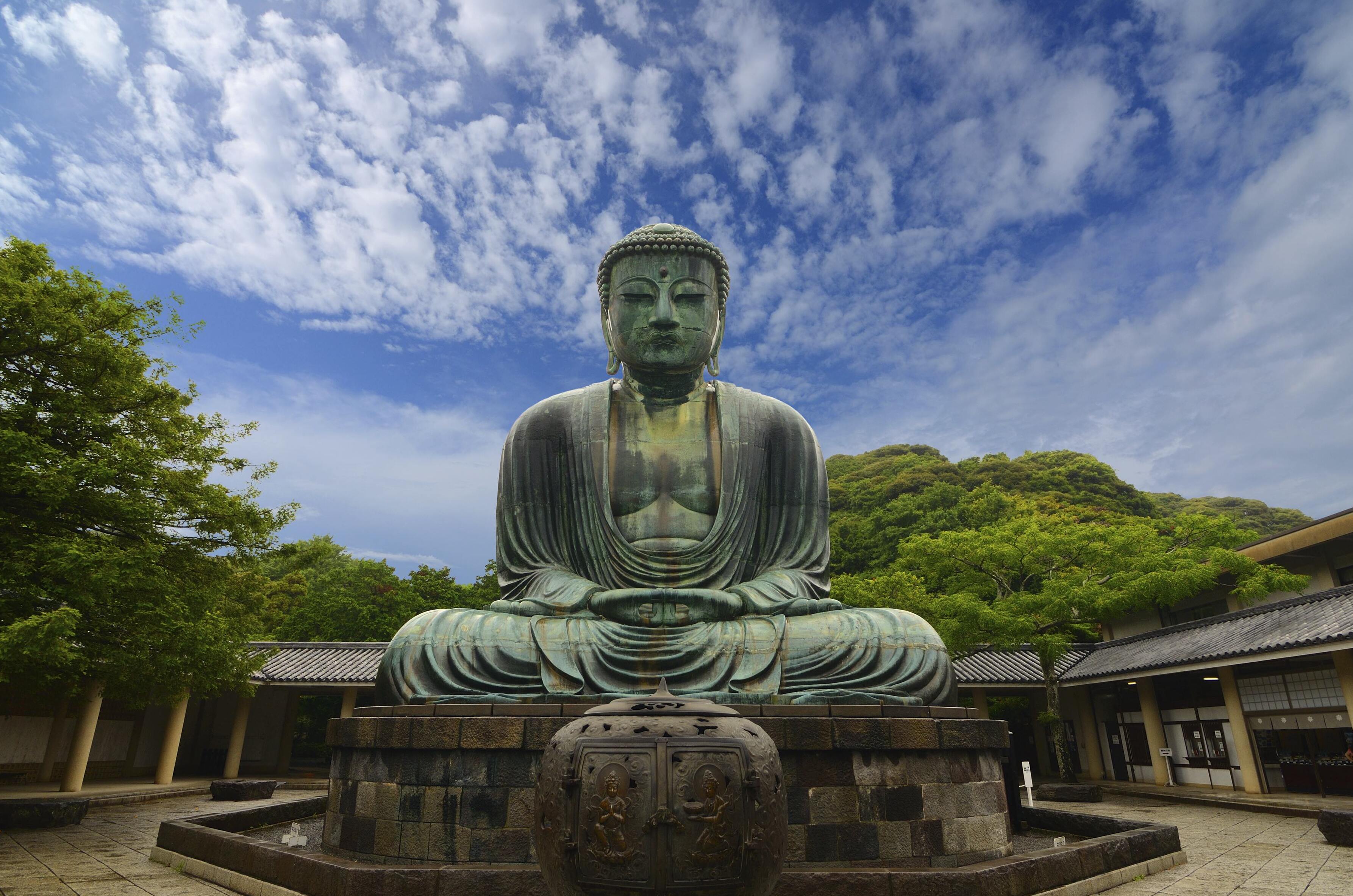

Standing majestically at Kotokuin Temple in Kamakura, the Great Buddha is not just a statue; it embodies centuries of Japanese history and spirituality. Crafted in 1252, this 11.4-meter tall bronze statue of Amida Buddha is the second tallest in Japan, surpassed only by the one in Nara's Todaiji Temple. Originally housed within a grand temple hall, the Great Buddha has faced the elements over the centuries, enduring the ravages of typhoons and tidal waves that led to the destruction of its temple surroundings. Since the late 15th century, it has stood in the open air, a silent guardian observing the ebb and flow of life around it.
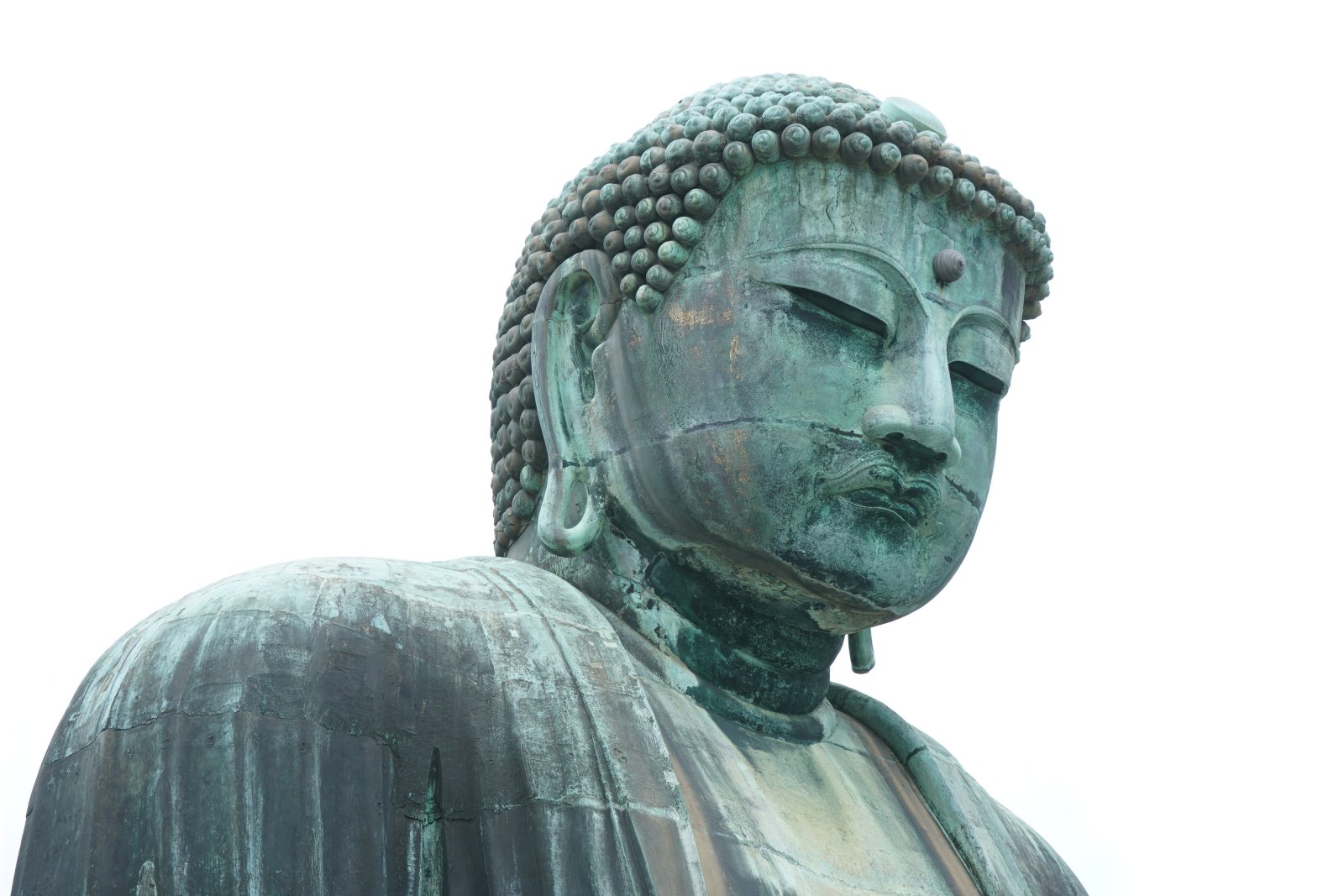
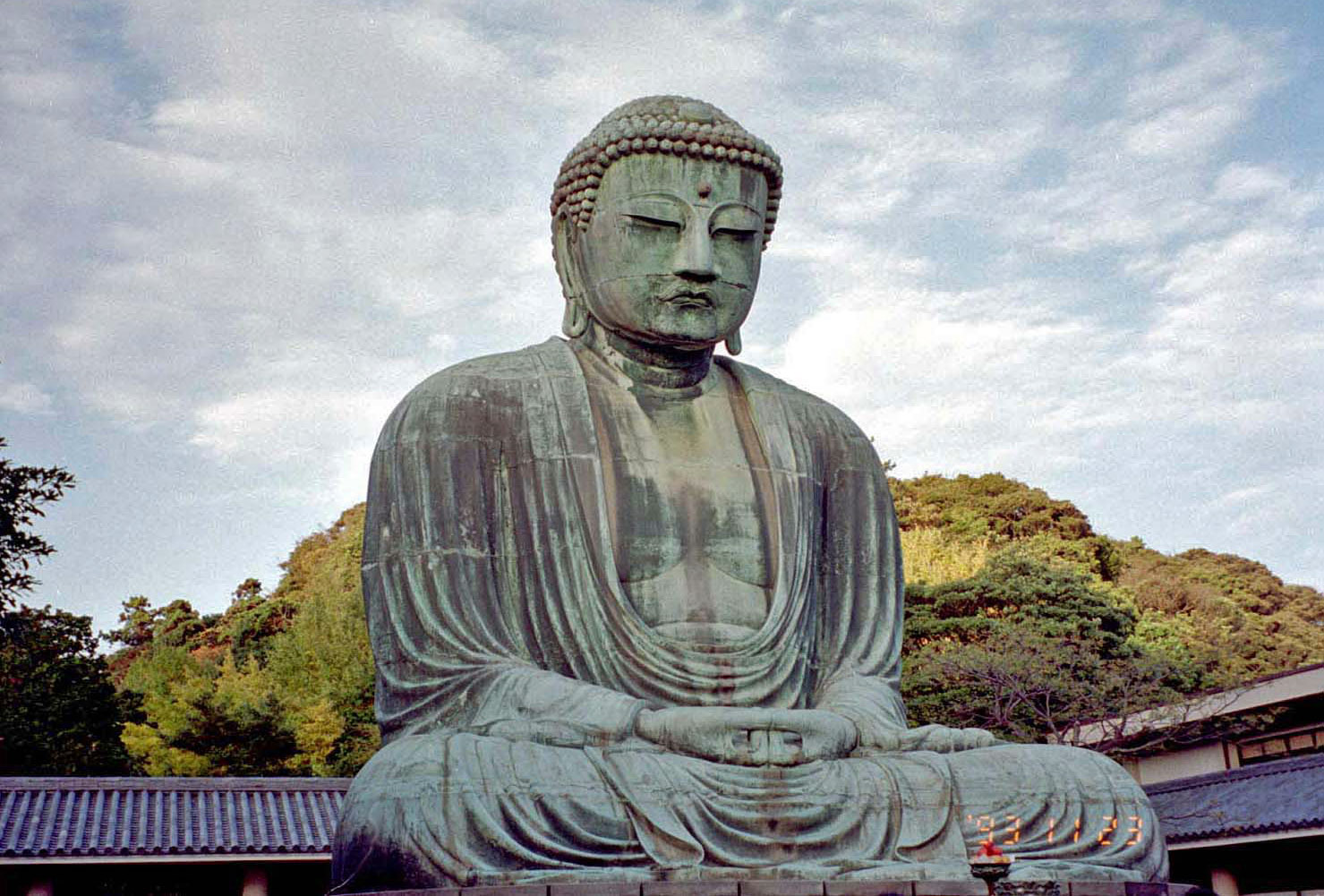
The Great Buddha is an exemplary piece of Kamakura-period art that reflects the profound spirituality of the era. Its bronze construction showcases intricate detailing, particularly in the folds of Amida’s robes, which are rendered with remarkable realism. This attention to detail not only signifies the technical prowess of the artisans of the time but also serves as a testament to the deep reverence for the Buddhist faith. Beyond its sheer size, the statue is an architectural marvel, exuding a sense of serenity and permanence that has drawn visitors for centuries.
Kamakura itself is steeped in cultural significance. Once the political capital of Japan during the Kamakura shogunate (1185-1333), it is a city rich with Buddhist temples and Shinto shrines. Local customs often revolve around these spiritual sites, with many visitors participating in the traditional practice of omikuji (fortune telling) at the nearby shrines. Festivals such as the Kamakura Matsuri celebrate local heritage, featuring parades, traditional music, and dance, drawing both locals and tourists alike into a vibrant community spirit.
Gastronomy in Kamakura offers a delightful exploration of flavors. One must-try dish is shirasu-don, a rice bowl topped with tiny white fish, a local specialty that reflects the region’s coastal heritage. Pair that with a cup of locally brewed matcha for a truly authentic experience. The area is also known for its wagashi (traditional Japanese sweets), which are often enjoyed with tea, making for a perfect afternoon treat after a day of exploring.
While the Great Buddha is a well-known landmark, there are lesser-known curiosities that enrich its story. For instance, the statue's original interior was designed to allow visitors to enter, a feature that has been closed off for safety since the 20th century. Additionally, local lore suggests that the statue's eyes were originally filled with gemstones, enhancing its spiritual presence. There is also a fascinating tale about the statue's casting: it was said that the bronze was made from the melting down of temple bells, symbolizing a transformation of sound into stillness, a core tenet of Buddhism.
For those planning a visit, the best time to experience the Great Buddha and the surrounding Kamakura area is during the spring (March to May) when cherry blossoms paint the landscape in shades of pink and white, creating a picturesque backdrop for the statue. Alternatively, autumn (September to November) offers stunning foliage that contrasts beautifully with the statue's verdant surroundings. Arriving early in the morning or late in the afternoon can provide a quieter experience, allowing for contemplative moments beside this monumental figure.
When visiting, don’t miss the chance to explore the Kotokuin Temple grounds further, where you’ll find a small museum detailing the history of the statue and the temple. Take time to wander the peaceful paths, listen to the soft rustling of leaves, and absorb the tranquility that this sacred place exudes.
In conclusion, the Great Buddha of Kamakura stands not just as a statue but as a beacon of Japan’s rich history, spirituality, and culture. Its towering presence draws in countless visitors, inviting them to reflect on the past while connecting with the present. To enrich your visit and discover more hidden gems in Kamakura, consider using the Secret World app to create a personalized itinerary just for you.


