
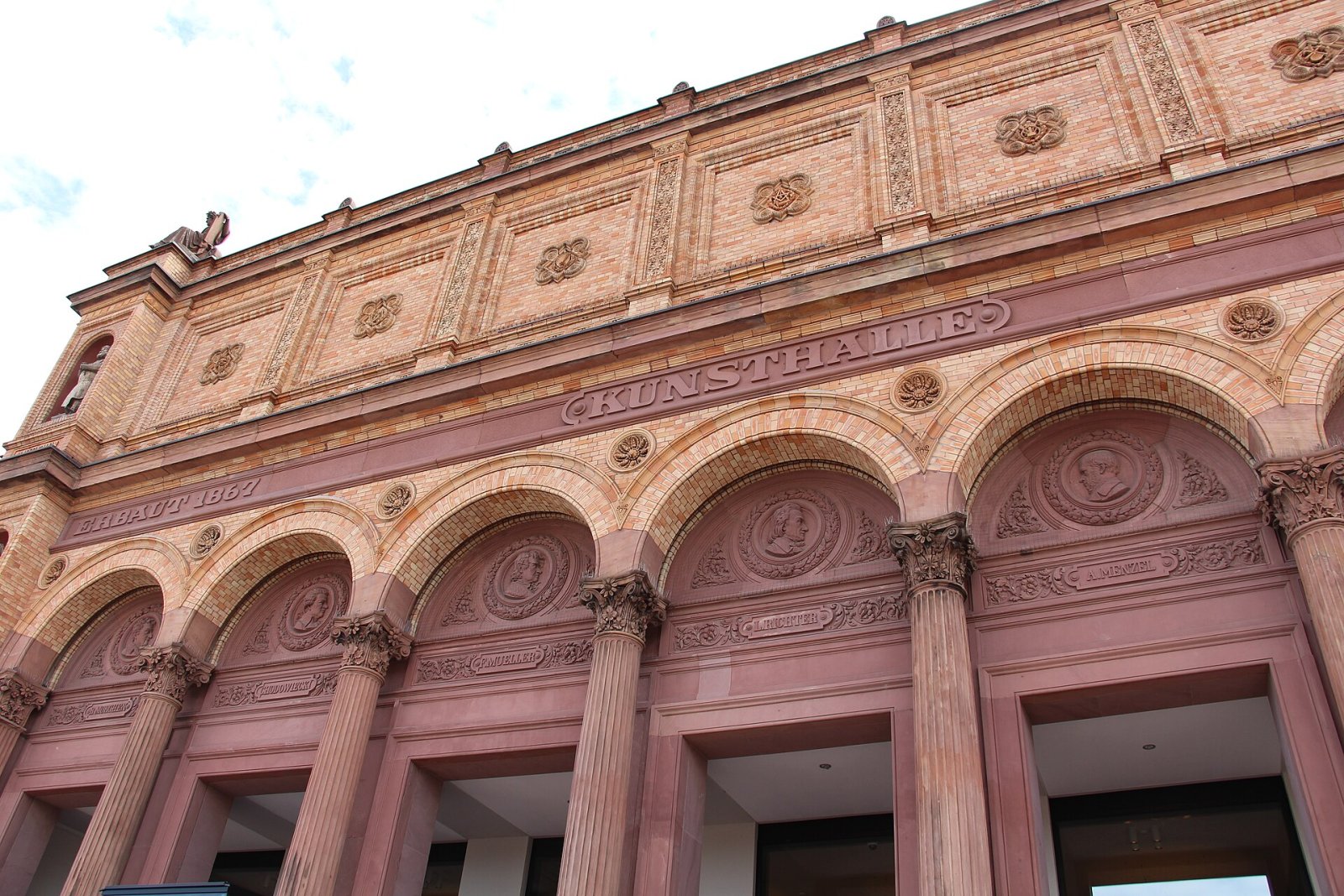

In the vibrant heart of Hamburg stands the Hamburger Kunsthalle, one of the most significant art museums in Germany. This extraordinary museum is not just a place to admire artworks, but also a journey through seven centuries of European history, offering a unique overview of the evolution of art from the Middle Ages to the present day. Located between the central station and the Alster lakes, the Hamburger Kunsthalle stands out for its fascinating architecture, composed of three interconnected buildings that reflect the era in which they were built: the main one from 1869, the Kuppelsaal from 1921, and the Galerie der Gegenwart from 1997.
The history of the museum dates back to 1849, when the Hamburg Kunstverein was founded. Since then, it has seen exponential growth in its collection, becoming a landmark for art lovers from around the world. The Hamburger Kunsthalle is not just a museum, but a symbol of Hamburg's rich cultural tradition, a city that has always played a central role in the European artistic landscape.
Historical and Cultural Context
The Hamburger Kunsthalle represents an important testament to the artistic and cultural history of Hamburg. Its foundation in the 19th century coincides with a period of great cultural ferment in Europe, characterized by innovative artistic movements and a growing interest in art. The museum houses one of the few collections in Germany that spans such a vast time frame, including works by Flemish, Dutch, and Italian artists from the 16th and 17th centuries, as well as a rich selection of modern and contemporary works.
The museum's collection reflects Hamburg's history as a commercial and cultural center. The city, always an important port, has attracted artists and intellectuals, creating a fertile environment for the development of art. The Hamburger Kunsthalle not only preserves works by masters of the past but also promotes contemporary artists, making it a lively and dynamic place.


