
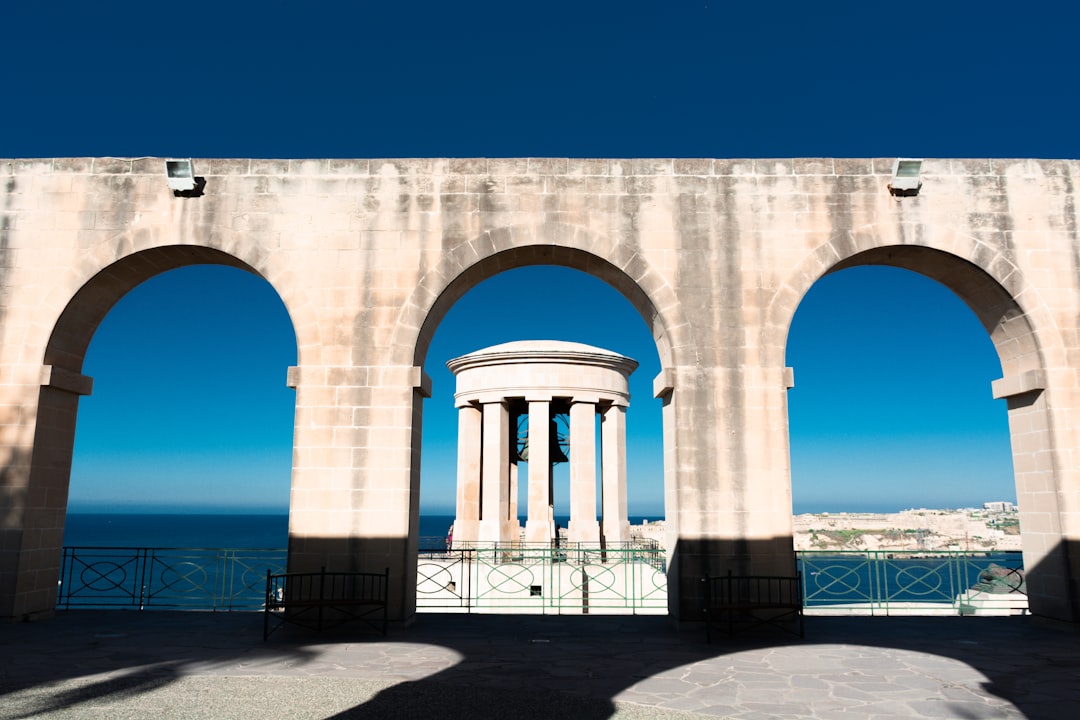

In the heart of Malta, in Żabbar, stands the Hompesch Arch, a monument that tells a story of honor and recognition. Built in 1801 to commemorate the granting of city status to Żabbar by Grand Master Ferdinand von Hompesch zu Bolheim, this triumphal arch is a symbol of local history and the importance of the community. Its elegant architecture and historical context make it a must-see for anyone visiting the island.
The Hompesch Arch is not just a monument; it is a witness to events that have profoundly marked Malta's history. Its construction took place during a tumultuous period, following the French invasion of 1798 and the subsequent occupation, which necessitated a pause in construction work. Despite these difficulties, the monument was completed and remains today an important testament to Malta's past.
History and Origins
The Hompesch Arch was erected following the request of the parish priest Don Carlo Caruana, who, during the visit of the Grand Master, requested the elevation of the village to city status. This occurred on September 14, 1797, a significant moment for the Żabbar community. However, the French invasion the following year led to a series of events that delayed the construction of the monument. Only in December 1801, during repair work at the Żabbar Sanctuary, was the decision made to build the Hompesch Arch, a gesture of gratitude and recognition towards the Grand Master.
The monument, with its imposing structure, symbolizes not only the history of Żabbar but also the bond between the community and the Order of St. John. The construction of the arch is a clear reflection of the aspirations and dreams of the local population, who wished to honor their leader and celebrate the new city status. This triumphal arch is therefore laden with historical and cultural significance, making it a landmark for visitors and locals alike.


