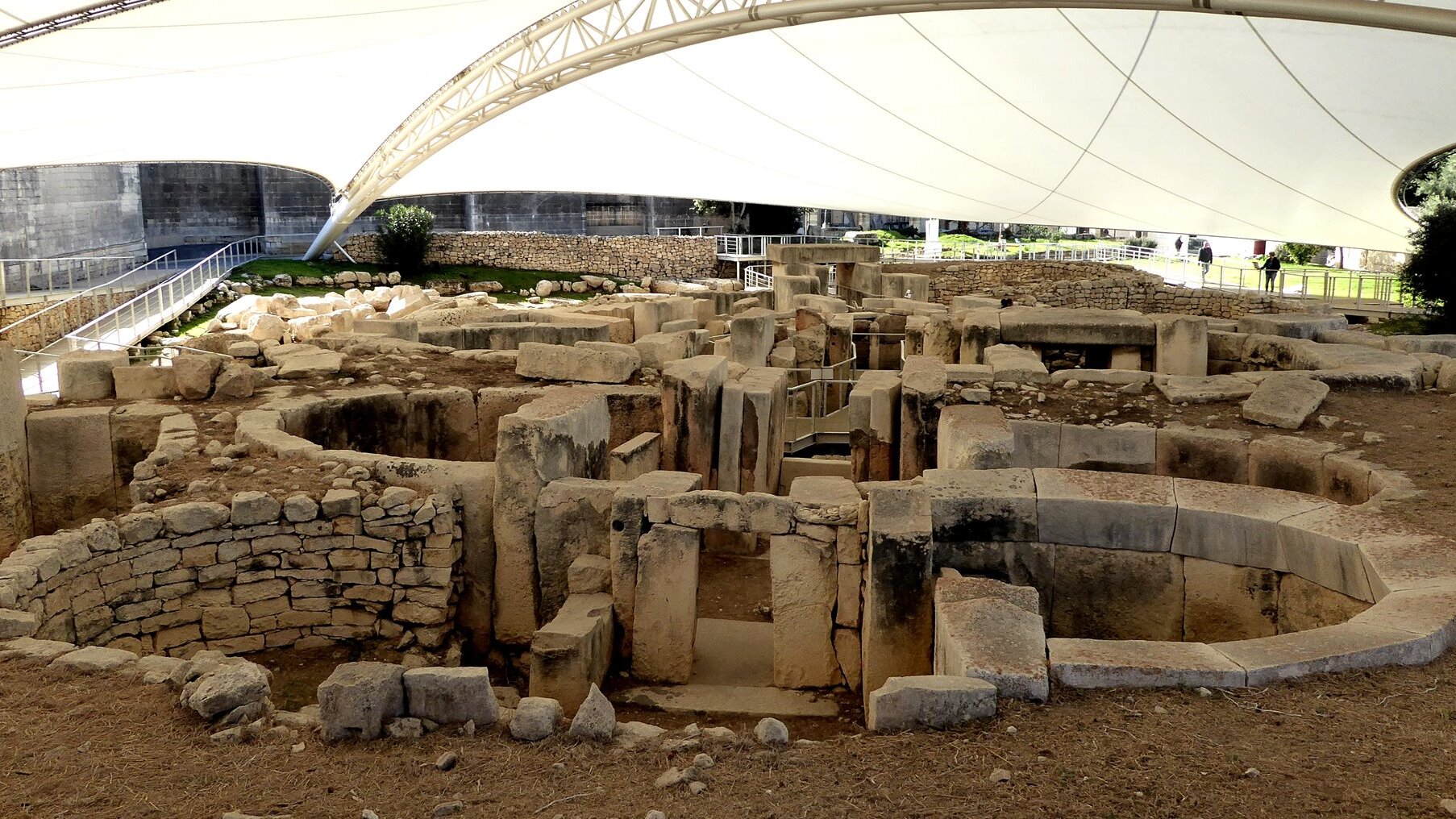

The Tarxien Temples stand as a testament to Malta's rich prehistoric heritage, drawing visitors with their mysterious origins, artistic intricacies, and cultural significance. Located in ?al Tarxien, this remarkable site encompasses four distinct temples, built between 3600 BCE and 2500 BCE, showcasing the ingenuity of the ancient inhabitants of Malta. The temples were rediscovered in 1913, with significant excavations taking place from 1915 to 1919, revealing layers of history long buried beneath the earth.
### History and Origins The Tarxien Temples are believed to be the largest megalithic structures in Malta, a nation celebrated for its remarkable ancient architecture. The temples were constructed during the Neolithic period, a time marked by significant developments in human civilization. Originally, the site was a vibrant hub of ritualistic activities. Following a period of abandonment, the temples were re-used between 2400 BCE and 1500 BCE, suggesting a complex relationship with the spiritual practices of the time. The true extent of their significance was not fully appreciated until archaeologists unearthed them in the early 20th century, revealing a rich tapestry of cultural and religious practices.
### Art and Architecture The architectural style of the Tarxien Temples is characterized by massive stone blocks, some weighing several tons. The intricate carvings found on the temple walls are a highlight, featuring spirals and geometric shapes that speak to the artistic prowess of the ancient builders. Notably, the South Temple houses impressive stone reliefs depicting the famous Maltese fertility figurines, often interpreted as representations of goddesses. The overall layout of the temple complex, with its interconnecting chambers and altars, offers a glimpse into the sophisticated understanding of space and spirituality possessed by its creators.
### Local Culture and Traditions The significance of the Tarxien Temples extends beyond their physical structures; they are deeply intertwined with the local culture of Malta. The temples are often featured in local folklore, embodying stories of ancient deities and rites. Festivals celebrating Malta's heritage, such as the Malta International Arts Festival, often highlight the temples, drawing attention to their historical importance. Additionally, the site serves as a reminder of the island's enduring connection to its past, fostering a sense of pride among the locals.
### Gastronomy Visiting the Tarxien Temples offers not just a journey into the past, but a taste of the present. The nearby town of Tarxien is home to numerous eateries where traditional Maltese cuisine can be savored. Local dishes such as fenek (rabbit stew), bragioli (beef olives), and pastizzi (flaky pastries filled with ricotta or peas) reflect the island’s culinary history. Pair your meal with a glass of Kinnie, a local soft drink flavored with bitter oranges and aromatic herbs, for a truly authentic experience.
### Lesser-Known Curiosities While many visitors are drawn to the striking architecture of the Tarxien Temples, fewer know about the mysterious stone spheres found in the area. These spherical stones, believed to have been used as rollers for transporting massive megaliths, hint at the advanced engineering techniques of the time. Moreover, the temples were not only places of worship but also potentially served as burial sites, with evidence of human remains discovered during excavations. Such aspects emphasize the multifaceted nature of this ancient site that often goes unnoticed.
### Practical Visitor Information The best time to visit the Tarxien Temples is during the spring and autumn months when the weather is mild and the crowds are smaller. The site is open year-round, but visiting in the early morning can provide a more serene experience. Look for the South Temple to appreciate the intricate carvings up close, and don’t miss the adjacent museum, which houses many of the artifacts uncovered during the excavations.
In conclusion, the Tarxien Temples are not merely a collection of ancient stones; they are a portal into Malta's fascinating past. For a personalized itinerary that includes this extraordinary site in ?al Tarxien, consider using the Secret World app to enhance your journey.
