
← Back

Hal-Saflieni Hypogeum:the underground temple

Triq Ic Cimiterju, Ra?al ?did PLA 1116, Malta ★★★★☆ 2,088 views
Megan Robbie
Ra?al ?did
🏆 AI Trip Planner 2026

Get the free app

Discover the best of Ra?al ?did with Secret World — the AI trip planner with 1M+ destinations. Get personalized itineraries, hidden gems and local tips. Free on iOS & Android.

🧠 AI Itineraries 🎒 Trip Toolkit 🎮 KnowWhere Game 🎧 Audio Guides 📹 Videos
Download on the App Store Get it on Google Play
Scan to download Scan to download
Hal-Saflieni Hypogeum:the underground temple - Ra?al ?did | Secret World Trip Planner

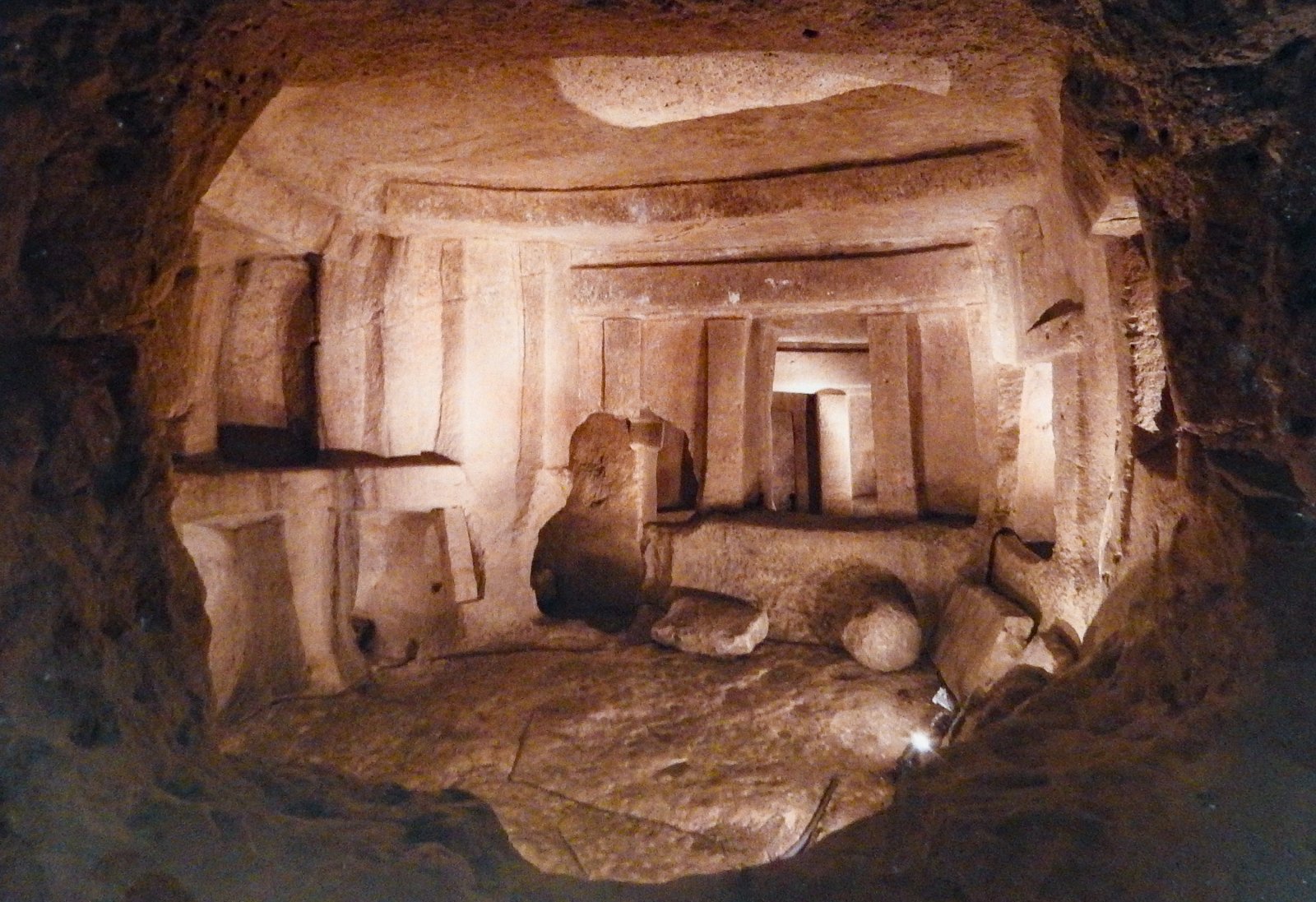
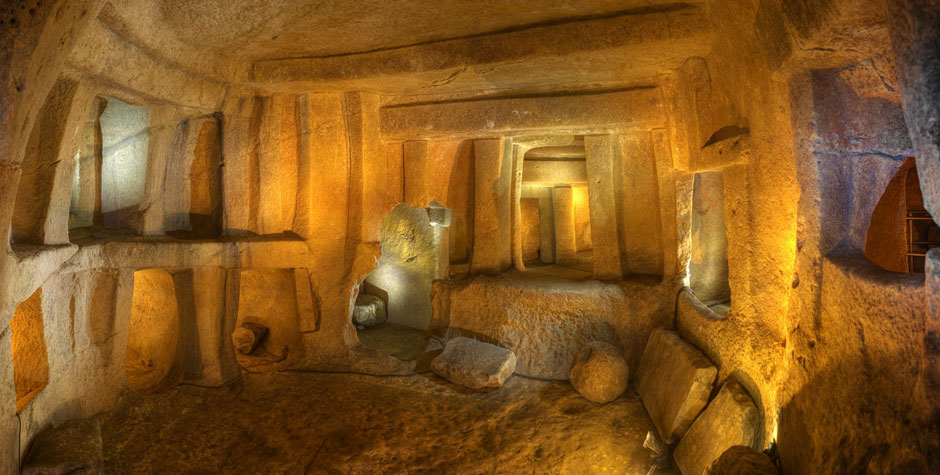
Beneath the sun-drenched landscape of Malta lies a hidden world, an intricate labyrinth of ancient stone that whispers the secrets of a civilization long gone. The Hal-Saflieni Hypogeum, a UNESCO World Heritage Site, is a breathtaking testament to the ingenuity and spirituality of the island's prehistoric inhabitants. Dating back over 5,000 years, this underground temple complex offers an extraordinary glimpse into the lives and beliefs of those who shaped Malta's early history.

Hal-Saflieni Hypogeum:the underground temple - Ra?al ?did | Secret World Trip Planner

### History and Origins

Discovered in 1902 when workers excavating for a new housing development stumbled upon its entrance, the Hal-Saflieni Hypogeum is believed to have been constructed during the Neolithic period (around 4000 BCE). Archaeologists have determined that it served as a sanctuary, necropolis, and ceremonial space, continuing its use until approximately 2500 BCE. Intriguingly, the Hypogeum was not initially recognized for its significance, but since its discovery, it has become one of the most important archaeological sites in Europe.

Hal-Saflieni Hypogeum:the underground temple - Ra?al ?did | Secret World Trip Planner

The structure is composed of three distinct levels carved into the limestone bedrock, showcasing the sophisticated techniques of prehistoric builders. The sheer scale of the site—over 500 square meters—and its intricate design highlight the advanced societal organization of Malta's early inhabitants. Notably, the Temple Culture that flourished during this period is characterized by elaborate burial practices and a reverence for the afterlife, as evidenced by the numerous human remains and artifacts found within the Hypogeum.

### Art and Architecture

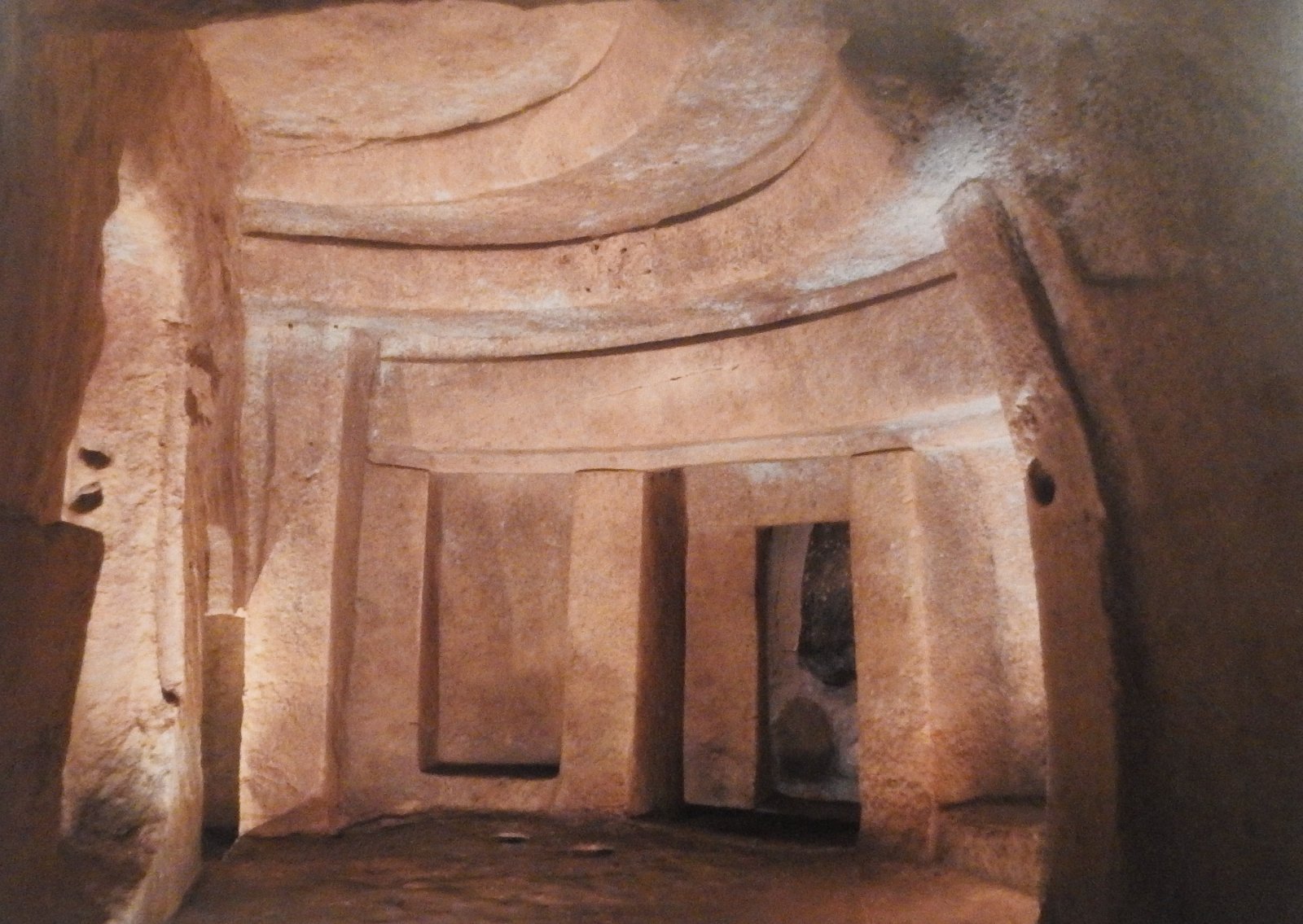
The architectural brilliance of the Hal-Saflieni Hypogeum is evident in its complex layout, with chambers connected by narrow passages, creating a sense of mystery and reverence. The walls are adorned with unique decorative features, including intricate carvings and spiral motifs that reflect the artistic sensibilities of the time.

One of the most striking elements is the Oracle Room, known for its exceptional acoustics—whispers can carry across the chamber with remarkable clarity. This feature suggests it may have been used for ritualistic purposes, perhaps to communicate with the divine or to conduct ceremonies. The artistry found here not only serves a functional purpose but also conveys the spiritual beliefs of the Neolithic people, making the Hypogeum a vital piece of Malta's cultural heritage.

### Local Culture and Traditions

The Hal-Saflieni Hypogeum is deeply intertwined with Maltese culture and traditions. Local customs often reflect the island's rich history, where ancient practices meld with modern life. Festivals such as Maltese Carnival and the Feast of St. Paul celebrate the island's heritage, drawing on themes of rebirth and the afterlife that resonate with the Hypogeum's historical significance.

While the Hypogeum itself does not host events, its influence is evident in local art, music, and storytelling. The narratives surrounding Malta's prehistoric peoples are woven into the fabric of contemporary culture, enriching the identity of the Maltese people. Local artisans often draw inspiration from the patterns and symbols found within the Hypogeum, ensuring that the legacy of this ancient site continues to thrive.

### Gastronomy

No visit to Raħal Ġdid would be complete without indulging in the local gastronomy, which reflects a blend of Mediterranean influences. Traditional dishes such as rabbit stew (fenek), pastizzi (flaky pastry filled with ricotta or peas), and bragioli (beef olives) are staples that offer a taste of Malta's culinary history.

Accompanying these dishes, local wines—such as Meridiana and Marsovin—are produced from grapes grown in the rich Maltese soil, further connecting visitors to the island's unique terroir. For a refreshing drink, try a glass of Kinnie, a bitter-sweet soda infused with herbs and citrus, that captures the essence of Maltese flavors.

### Lesser-known Curiosities

While many tourists flock to the Hypogeum for its well-known historical significance, several lesser-known details often go unnoticed. For instance, the site houses a remarkable collection of bone remains, including those of the mysterious "Sleeping Lady" statuette, believed to represent fertility and the feminine divine.

Moreover, the Hypogeum's climate-controlled environment is crucial for preserving its artifacts. The constant temperature and humidity levels help protect the delicate carvings and human remains, making it one of the best-preserved prehistoric sites in the world. Visitors may not realize that only a limited number of people are allowed inside at any given time to ensure the preservation of this ancient treasure.

### Practical Visitor Information

To fully appreciate the Hal-Saflieni Hypogeum, it is advisable to plan your visit in advance. The best time to explore this remarkable site is during the shoulder seasons of spring (April to June) and autumn (September to October), when the weather is pleasant, and crowds are smaller.

Tickets are limited, so booking online is recommended to secure your spot. When visiting, take time to observe the intricate carvings and listen for the unique acoustics of the Oracle Room. Guided tours provide invaluable insights into the history and significance of the site, enriching your experience.

In conclusion, the Hal-Saflieni Hypogeum stands as a monumental symbol of Malta's ancient past, offering a unique window into the spiritual and cultural life of its early inhabitants. To make the most of your journey in Raħal Ġdid, consider using the Secret World app to craft a personalized itinerary that captures the essence of this enchanting destination.

🗺 AI Trip Planner

Plan your visit to Ra?al ?did

Suggested itinerary near Hal-Saflieni Hypogeum:the underground temple

MAJ+
500.000+ travelers worldwide
  1. 🌅
    Morning
    Hal-Saflieni Hypogeum:the underground temple
    📍 Ra?al ?did
  2. ☀️
    Afternoon
    The Tarxien Temples are the largest megalithic sites
    📍 0.5 km da Ra?al ?did
  3. 🌆
    Evening
    Fort St. Angelo
    📍 2.7 km da Ra?al ?did

Buy Unique Travel Experiences

Powered by Viator

See more on Viator.com

Explore nearby · Ra?al ?did