
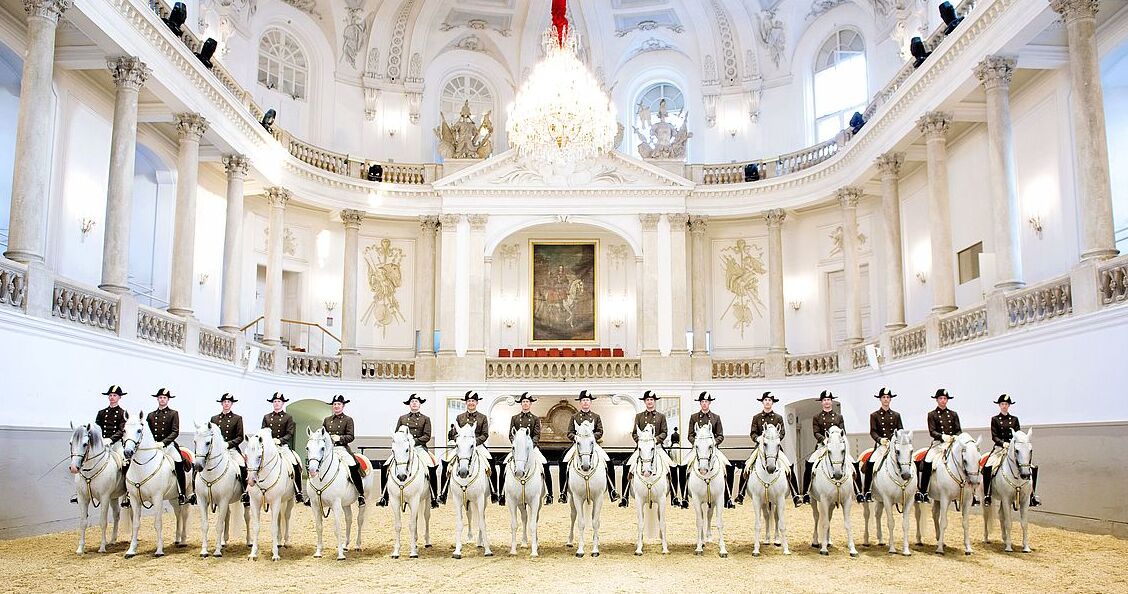

Nestled in the heart of Wien, the Spanish Riding School at the Imperial Stables is more than just an equestrian facility; it is a living testament to centuries of equestrian art and tradition. For over 400 years, these magnificent white Lipizzaner stallions have captivated audiences with their grace and precision, embodying the pinnacle of classical dressage.
The origins of the Spanish Riding School trace back to 1572, when Archduke Maximilian II established a breeding program for the Spanish horses, which were revered for their agility and temperament. Over the ensuing decades, the school evolved into a prestigious institution, with its official establishment in 1729 under Emperor Charles VI. The school has endured through the tumult of history, including World War II, when many horses were evacuated for safety. Yet, it has remained a cultural cornerstone of Austria, showcasing the deep-rooted bond between man and horse.
The architecture of the Imperial Stables is a spectacle in itself. Designed in the Baroque style, the stables boast a grand facade adorned with intricate carvings and sculptures that echo the elegance of the horses they house. The interior features a stunning riding hall, the Winter Riding School, with a lofty ceiling and remarkable acoustics, enhancing the experience of the equestrian performances. Notably, visitors are often struck by the historic murals depicting various scenes of horsemanship, which serve as a homage to the equestrian arts.
The Spanish Riding School is not just about the horses; it is a cornerstone of local culture and a symbol of Viennese identity. The tradition of the school integrates seamlessly into the fabric of Austrian society, with events often attended by dignitaries and the elite. Local customs surrounding the school include the annual Fête Imperiale, a grand gala that celebrates the opening of the performance season. During this time, the stables come alive with festivity, featuring traditional music and dance, reflecting the rich cultural heritage of Austria.
Gastronomy in Wien is another treasure trove of discovery. While visiting the Spanish Riding School, one shouldn’t miss indulging in local delicacies. Sachertorte, a rich chocolate cake, is a must-try, often enjoyed with a dollop of whipped cream. Pairing this with a glass of Wiener Melange, a coffee specialty similar to a cappuccino, perfectly encapsulates the Viennese café culture that flourishes in the city. After an impressive display of equestrian talent, these culinary delights provide the perfect way to unwind.
Beyond the performances and the stunning architecture, the Spanish Riding School hides some lesser-known curiosities that often escape the attention of tourists. For instance, the Lipizzaner stallions are not born white; they are born dark and gradually turn white as they mature, a process that can take up to six years. Additionally, the training methods employed at the school are steeped in tradition and have barely changed over the centuries. The famous airs above the ground, like the capriole and levade, are not just stunts but a testament to the deep understanding between horse and rider, honed through years of training.
For those planning a visit, the best time to experience the magic of the Spanish Riding School is during their morning training sessions, held from 10:00 AM to 12:00 PM from Tuesday to Saturday. These sessions offer a more intimate glimpse into the daily routine of the horses, often accompanied by classical music that enhances the grace of their movements. Tickets for these sessions are available at the door on the day of the visit, making it an accessible option for spontaneous travelers. In contrast, the actual performances, which run from March to June and September to December, require advance booking due to high demand.
Tips for visitors include arriving early to secure good seating, especially for the training sessions. One should also take a moment to explore the surrounding area, where the charm of Vienna's historic architecture comes alive. Don't miss the opportunity to wander through the nearby Burggarten, a serene park that offers a delightful respite after a day filled with equestrian elegance.
With its rich history, stunning architecture, and vibrant local culture, the Spanish Riding School is not just a destination; it’s an experience that resonates deeply with the spirit of Wien. To enhance your visit, consider using the Secret World app to craft a personalized itinerary that will guide you through the wonders of this magnificent city.


