

Located in Versailles, about 18 kilometers west of Paris, the Palace of Versailles is one of the most famous royal residences in the world. Commissioned by Louis XIV, this extraordinary example of Baroque architecture is not just a palace, but a true monument to the grandeur of the French monarchy. Every year, about 15 million visitors come here to admire not only the lavish interiors but also the magnificent gardens that surround the castle.
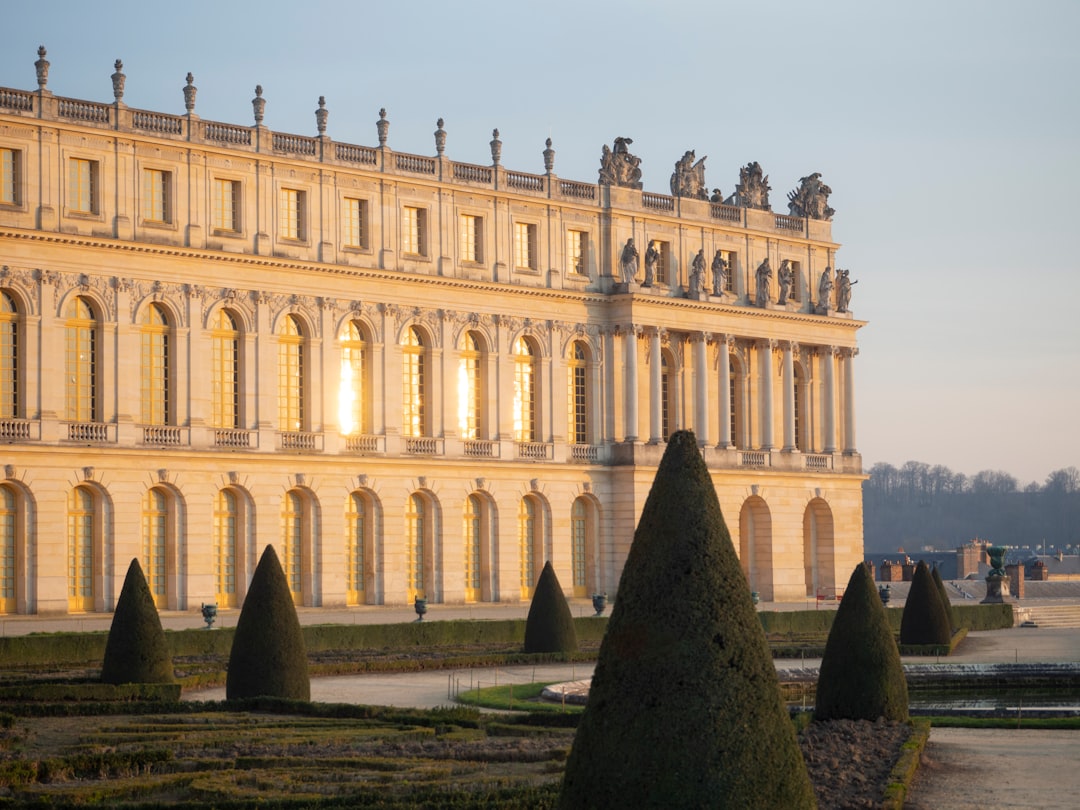
The palace, declared a UNESCO World Heritage site, is a symbol of French culture and history, representing the pinnacle of art and politics in the 17th century. Its historical and architectural significance makes it a must-see for anyone visiting France.
History and Origins
The Palace of Versailles has origins dating back to 1623, when Louis XIII built a modest hunting lodge in this location. However, it was his successor, Louis XIV, who transformed the site into a grand palace between 1661 and 1715, expanding and embellishing it with the intent of creating a residence that reflected the absolute power of the monarchy. In 1682, Louis XIV moved the court and government to Versailles, making the palace the political center of France.
Over the years, the Palace of Versailles underwent various modifications and expansions, not only by Louis XIV but also by his successors, Louis XV and Louis XVI, who mainly focused on internal interventions. However, in 1789, the monarchy was challenged, and the royal family was forced to leave Versailles, marking the beginning of a new era in French history.
Elements to Observe
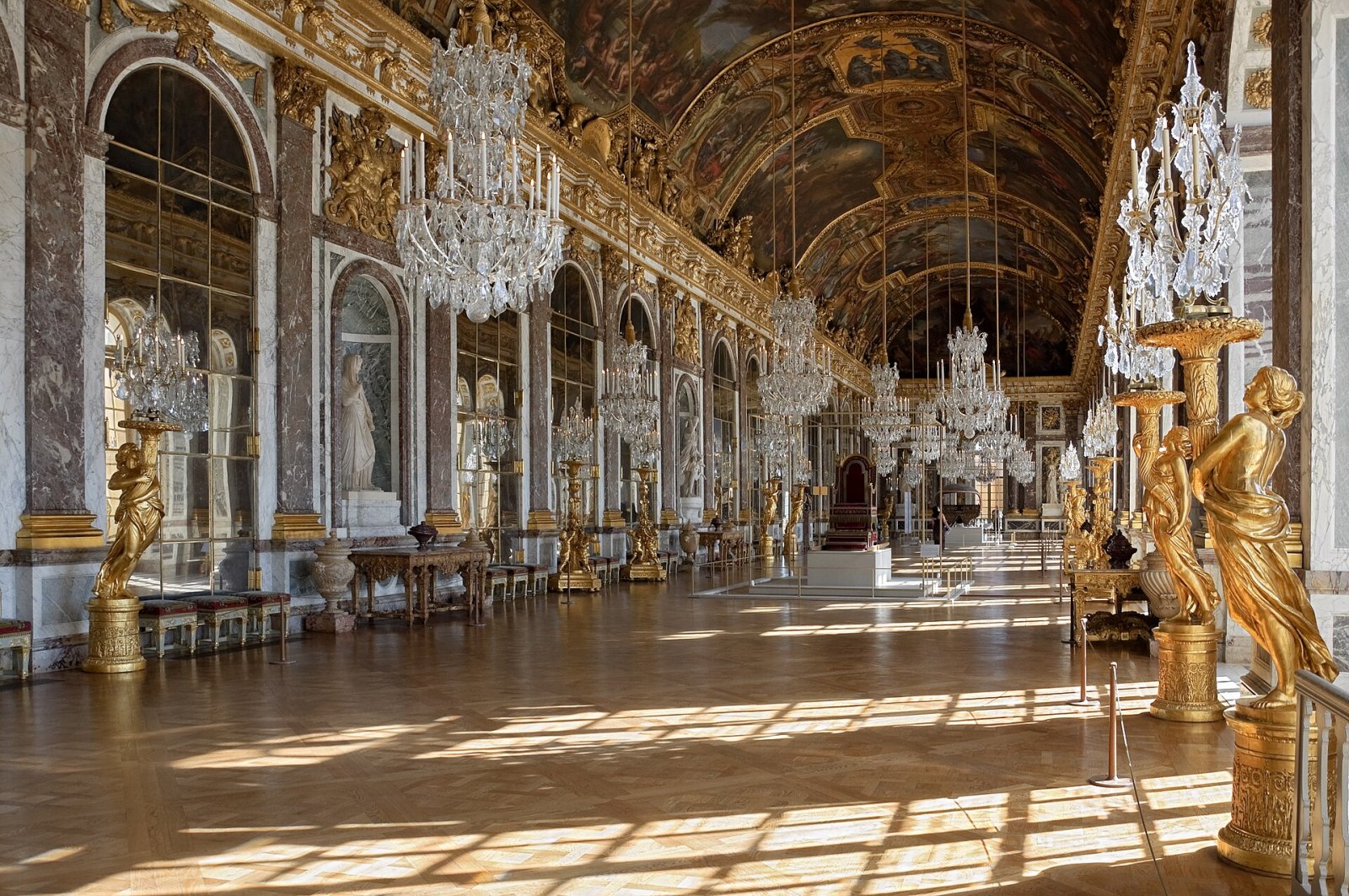
A visit to the Palace of Versailles cannot overlook the Hall of Mirrors, a masterpiece that reflects the opulence of the French court. This space, with its 357 mirrors, has been the stage for historical events, including the signing of the Treaty of Versailles in 1919. Equally fascinating are the gardens, designed by André Le Nôtre, which offer a perfect balance between art and nature, with fountains, sculptures, and a variety of plants that enchant visitors.
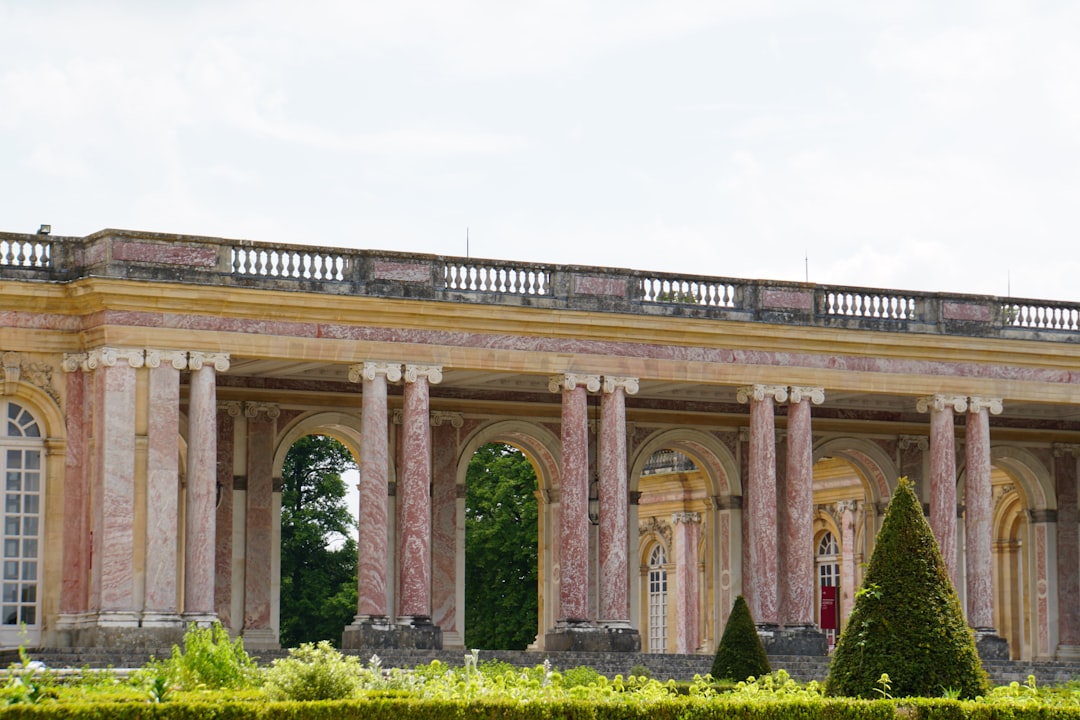
Don't forget to explore the Grand Trianon and the Petit Trianon, two more intimate residences within the grounds of Versailles. These spaces offer a different perspective on court life, more personal and less formal, allowing for a better understanding of the challenges and joys of the daily lives of the royals.
Why It Is Interesting Today
Today, the Palace of Versailles is much more than just a museum; it is a meeting place for cultural events, concerts, and art exhibitions. Its ongoing relevance in contemporary culture is reflected in the variety of activities organized, attracting a diverse audience. Furthermore, the palace serves as a symbol of resilience and transformation, witnessing the historical changes that have shaped modern France.
The beauty and magnificence of Versailles never cease to amaze. Each visit offers an opportunity to explore not only the history of an era but also to reflect on our cultural heritage. For those wishing to deepen their experience, the Secret World app provides fascinating information and details about places to visit in Versailles.


