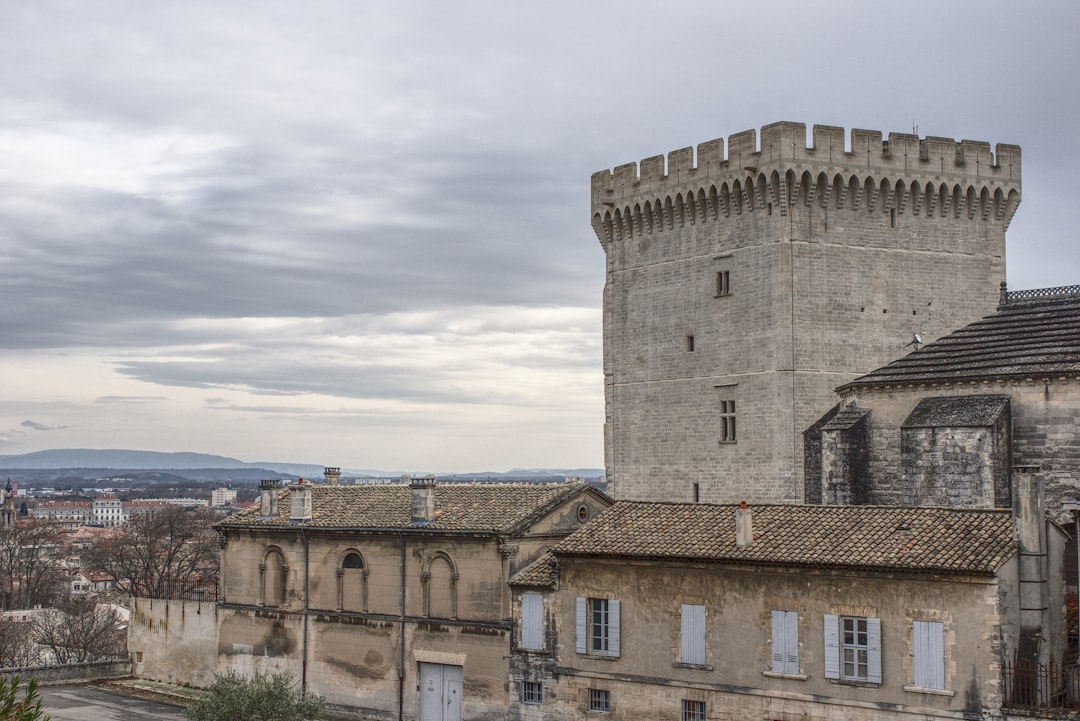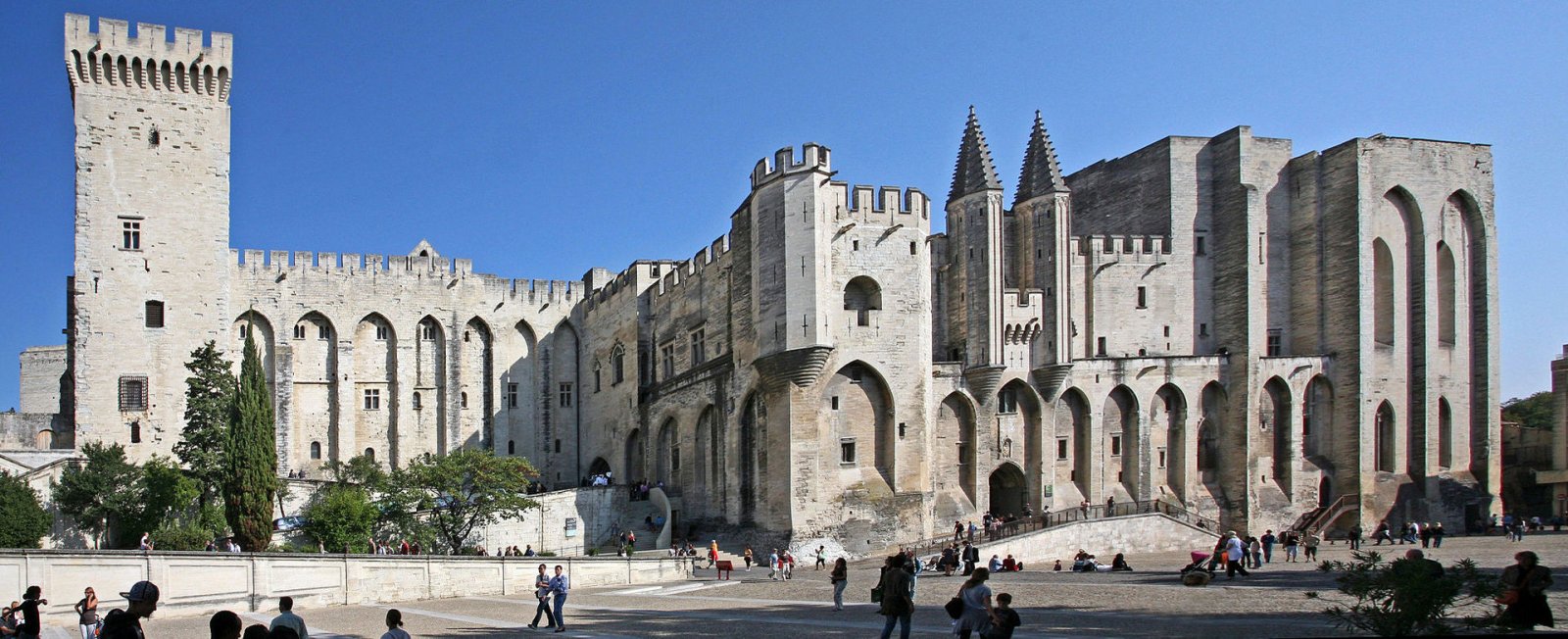

In the heart of the Provence-Alpes-Côte d'Azur region, Avignon stands as a jewel of history and culture, with its imposing Palais des Papes that tells centuries of power and spirituality. This palace, once the residence of the popes, is a symbol of a crucial period in European history when the city became the center of Christianity in an era of conflicts and divisions.
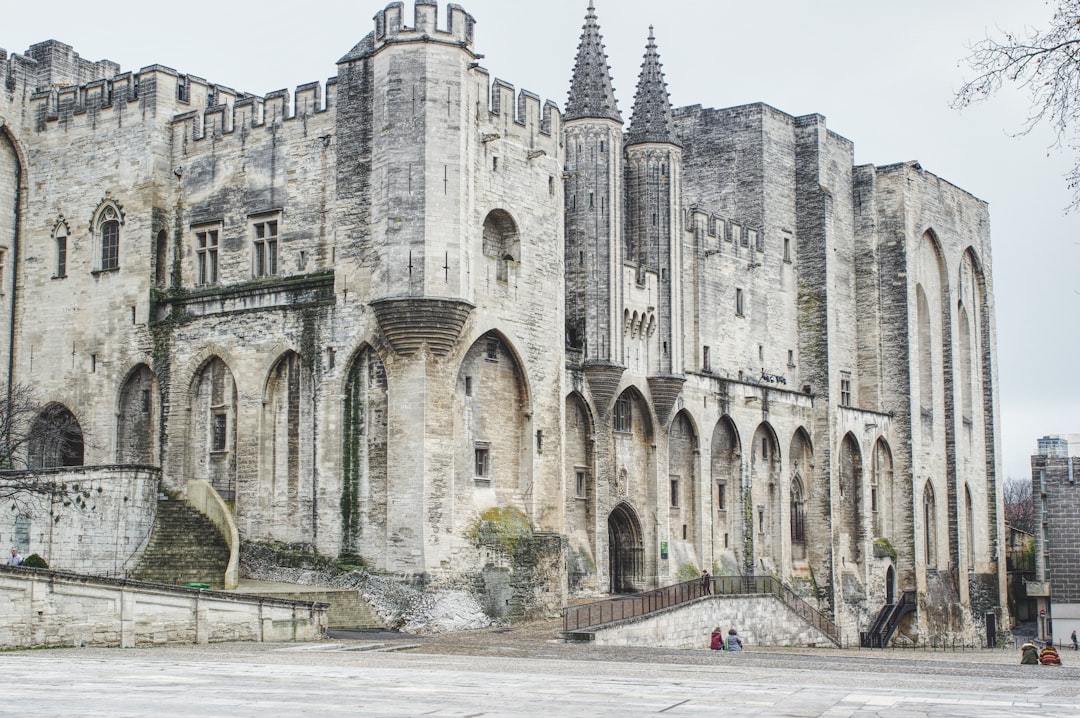
The Palais des Papes, majestically overlooking the waters of the Rhône River, is not just an architectural monument, but a journey through time that offers visitors the opportunity to explore the magnificent rooms and gardens surrounding this extraordinary building. Its inclusion in the UNESCO World Heritage list attests to its historical and cultural importance, making it a must-see for anyone visiting Avignon.
History and Origins
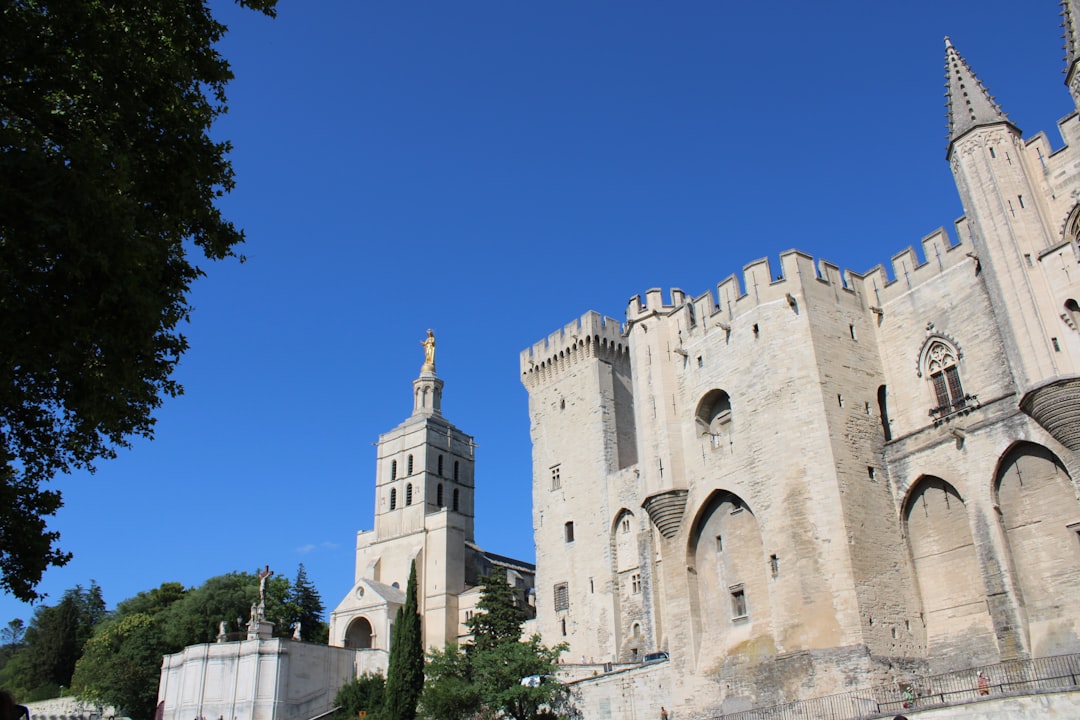
The Palais des Papes was built in the 14th century, during a time when Avignon became the papal seat. This monumental palace represents an era when the Catholic Church was at the center of European political and social life. Its construction began in 1335 and lasted for several decades, with the aim of creating a residence suitable for papal dignity. The palace is a fusion of architectural styles, predominantly Gothic, reflecting the power and authority of the popes who resided there.
During its peak, the Palais des Papes hosted numerous pontiffs, including Clement V and Benedict XII. These spiritual rulers not only governed the Church but also influenced the politics and culture of the time. The choice of Avignon as the papal seat represented a significant shift of power, which lasted until 1377, when the pope returned to Rome, leaving the palace as a monument to its legacy.