
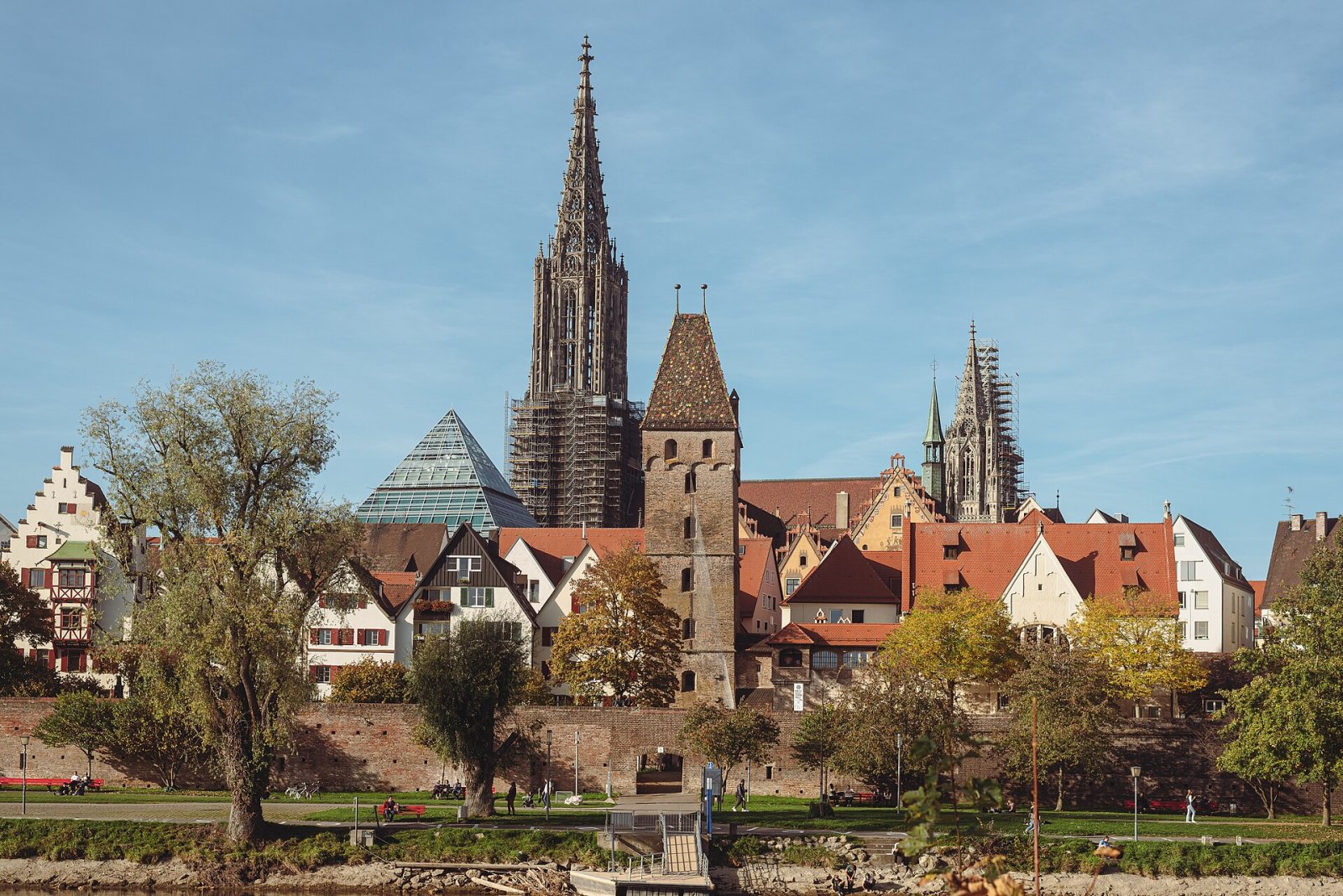

Located in the heart of Ulm, in Baden-Württemberg, Ulmer Münster is one of the most extraordinary architectural wonders in Germany. With its spire soaring to 161.53 meters, it is the tallest steeple in the world, even surpassing that of the famous Cologne Cathedral. This monument is not only a symbol of the city but also a testament to the craftsmanship and dedication of the architects and artisans who contributed to its construction.
The history of Ulmer Münster began in 1377 when the construction of the Gothic church was initiated. Although the initial project underwent numerous interruptions and modifications over the centuries, the final result is a work of art that combines Gothic and Renaissance elements, making it unique in its kind. Every corner of the church tells stories of faith and art, attracting visitors from all over the world.
Historical and Cultural Context

Ulm, a city rich in history, is located on the border with Bavaria and has been an important commercial and cultural center for centuries. Ulmer Münster is not only a place of worship but also a symbol of the city's prosperity during the Middle Ages. Its construction was influenced by the political and social dynamics of the time, reflecting the importance of religion and art in the fabric of daily life.
The church was completed in the 19th century, but its cultural impact continues to resonate today. Ulmer Münster is a landmark for cultural and religious events, hosting concerts and celebrations that attract a diverse audience. Its majestic presence in the urban landscape of Ulm is a draw for artists, historians, and tourists, making the city a meeting place between past and present.
What Stands Out About the Place
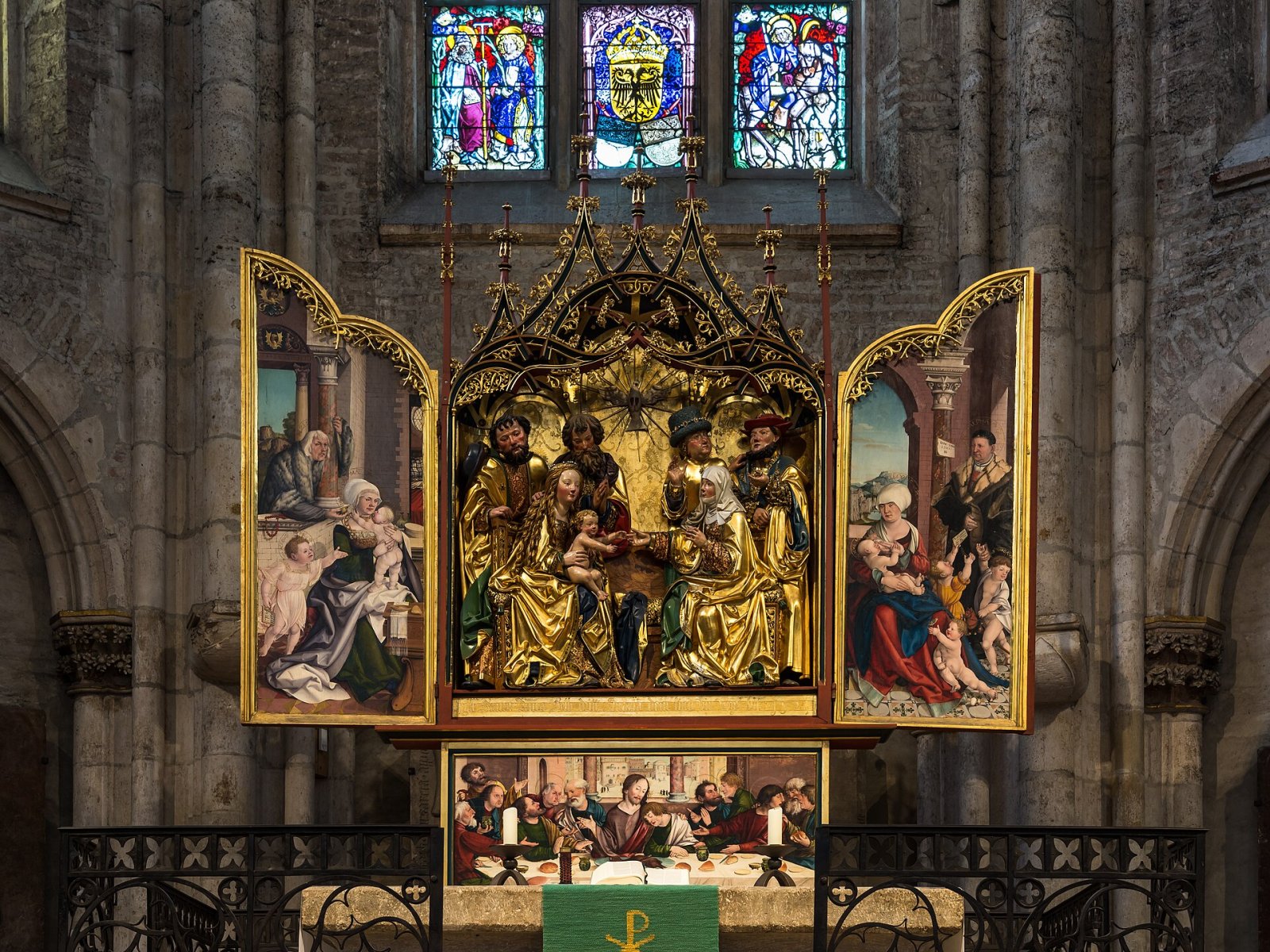
Entering Ulmer Münster is a breathtaking experience. The brightness of the interiors, accentuated by the stained glass windows, creates an atmosphere of sacredness and wonder. Every detail, from the carved capitals to the imposing columns, invites exploration of the church's artistic richness. The view from the top of the steeple, accessible via a steep staircase of 768 steps, offers a breathtaking panorama of the city and the Danube, an experience worth every effort.
Moreover, the location of Ulmer Münster in the city center makes it easily accessible and surrounded by cafes, restaurants, and charming shops. The vibrancy of Ulm is reflected in the energy that permeates the surrounding area, making every visit an opportunity to immerse oneself in the local culture. It is not uncommon to encounter events and festivals celebrating the region's traditions, making the experience even more engaging.
Visiting Experience
Visiting Ulmer Münster is not just a journey through time but also an opportunity to connect with the local community. Guided tours provide insights into the history and architecture of the church, while audio guides allow for exploration at one's own pace. During the holidays, the church is illuminated with decorations and special events, creating a festive atmosphere that attracts visitors of all ages.
Additionally, the proximity of Ulmer Münster to other historical attractions, such as the Ulm Museum and the Fish Market, makes it easy to plan a day full of discoveries. Strolling through the historic center of Ulm, with its cobblestone streets and historic buildings, is a perfect way to complete the visit to the church, immersing oneself in the culture and history of this fascinating city.


