
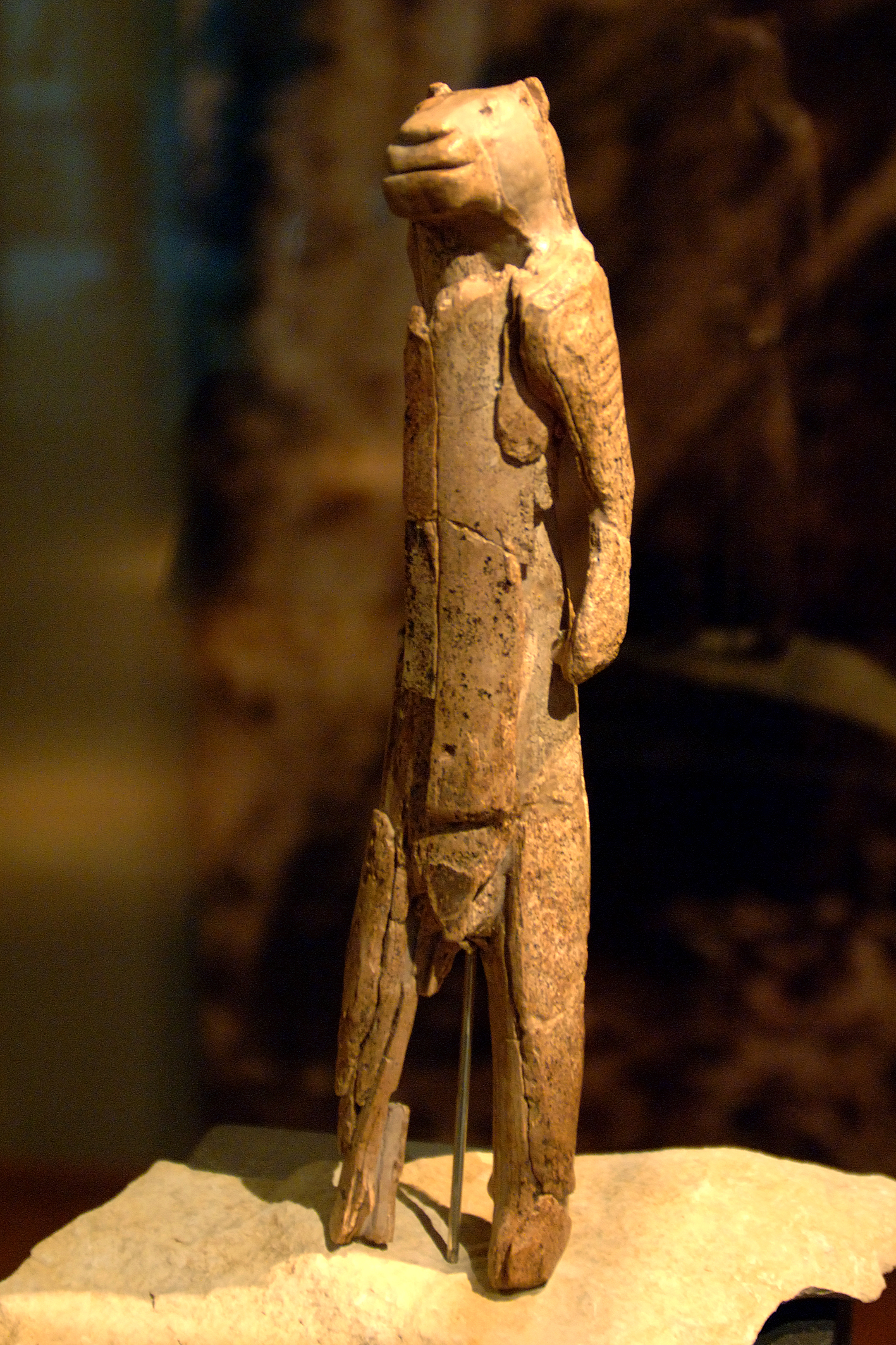

Nestled in the picturesque region of Ulm, Germany, the Löwenmensch figurine stands as a testament to humanity's ancient creativity and spiritual depth. This remarkable sculpture, dating back between 35,000 and 40,000 years, is considered the oldest known piece of figurative art in the world. Crafted from ivory, it depicts a lion-headed human, embodying the intersection of animalistic power and human consciousness.
The origins of the Löwenmensch can be traced back to its discovery in 1939 by geologist Otto Völzing in the Hohlenstein-Stadel cave, located just outside Ulm. The excavation, however, was abruptly halted due to the outbreak of World War II, which led to the fragments of this incredible find being shelved and largely forgotten for over three decades. It wasn’t until the early 1970s that archaeologist Joachim Hahn began the painstaking process of reconstructing the figurine from the remnants that lay dormant in the Museum of Ulm. His dedication culminated in a more complete version in 1982, following the discovery of additional pieces in 1962. A further excavation in 2009 unearthed even finer fragments, bringing the figurine closer to its original form. Today, visitors can marvel at this ancient masterpiece, which is now displayed prominently at the Ulm Museum.
The architectural style of the Ulm Museum, where the Löwenmensch is housed, is a blend of modern design and functionality. Opened in 2012, the museum features a striking glass façade that contrasts with the historical architecture of the surrounding area. Inside, the layout allows for an immersive experience, showcasing not only the Löwenmensch but also a wide range of artifacts that illustrate the rich history of the region. The figurine itself is an artistic enigma, challenging our understanding of prehistoric societies and their complexities. Its significance goes beyond aesthetics; it raises questions about the cognitive and social development of early humans.
Local culture in Ulm is steeped in traditions that celebrate its rich heritage. The city, known for its Gothic architecture and the Ulm Minster, boasts a vibrant arts scene. Festivals such as the Ulm Onion Market (Zwiebelmarkt) in October celebrate local produce and crafts, attracting visitors from all over. This event is a delightful fusion of culinary experiences, with stalls offering traditional dishes like Maultaschen, a type of stuffed pasta that originated in the region, and various onion-based delicacies. The community's passion for preserving its heritage is palpable, making Ulm a living tapestry of customs and history.
Gastronomy in Ulm reflects the flavors of Swabia, the region’s culinary identity. Visitors can indulge in local specialties such as Spätzle, a soft egg noodle often served with rich gravies, or Käsespätzle, which is topped with cheese and onions. Pair your meal with a glass of Ulm beer or a refreshing local wine from the nearby Baden-Württemberg vineyards. The city is also known for its sweet pastries, particularly Ulm's famous pretzels which are a must-try for anyone looking to experience authentic local cuisine.
For those interested in lesser-known curiosities, the Löwenmensch itself is a fascinating subject of study. Scholars speculate that the figurine may represent a shamanistic figure or a symbol of the deep connection between humans and the animal kingdom. The fact that such an intricate piece of art was created during a time when survival was paramount highlights the importance of spirituality and storytelling in human culture. Additionally, the Hohlenstein-Stadel cave, where the figurine was found, is part of a network of prehistoric sites that collectively offer insights into the lives of our distant ancestors, showcasing their skills in artistry and social organization.
The best time to visit Ulm is during the spring and early autumn months when the weather is mild and conducive for exploring the city’s outdoor attractions. Spring brings blooming flowers and vibrant colors to the city, while autumn offers a cozy atmosphere perfect for enjoying local festivals. When visiting, don’t forget to take a leisurely stroll along the Danube River, where you can enjoy stunning views of the Ulm Minster, the tallest church in the world.
For a truly enriching experience, pay close attention to the museum's guided tours that delve into the life and times of the Löwenmensch, providing context that enhances your understanding of this ancient artifact. Be sure to set aside time to wander through the charming streets of Ulm, where you can discover quaint cafes and local shops that showcase the city’s artistic spirit.
To navigate your journey through Ulm seamlessly, consider using the Secret World app, which can help you create a personalized itinerary that fits your interests.


