
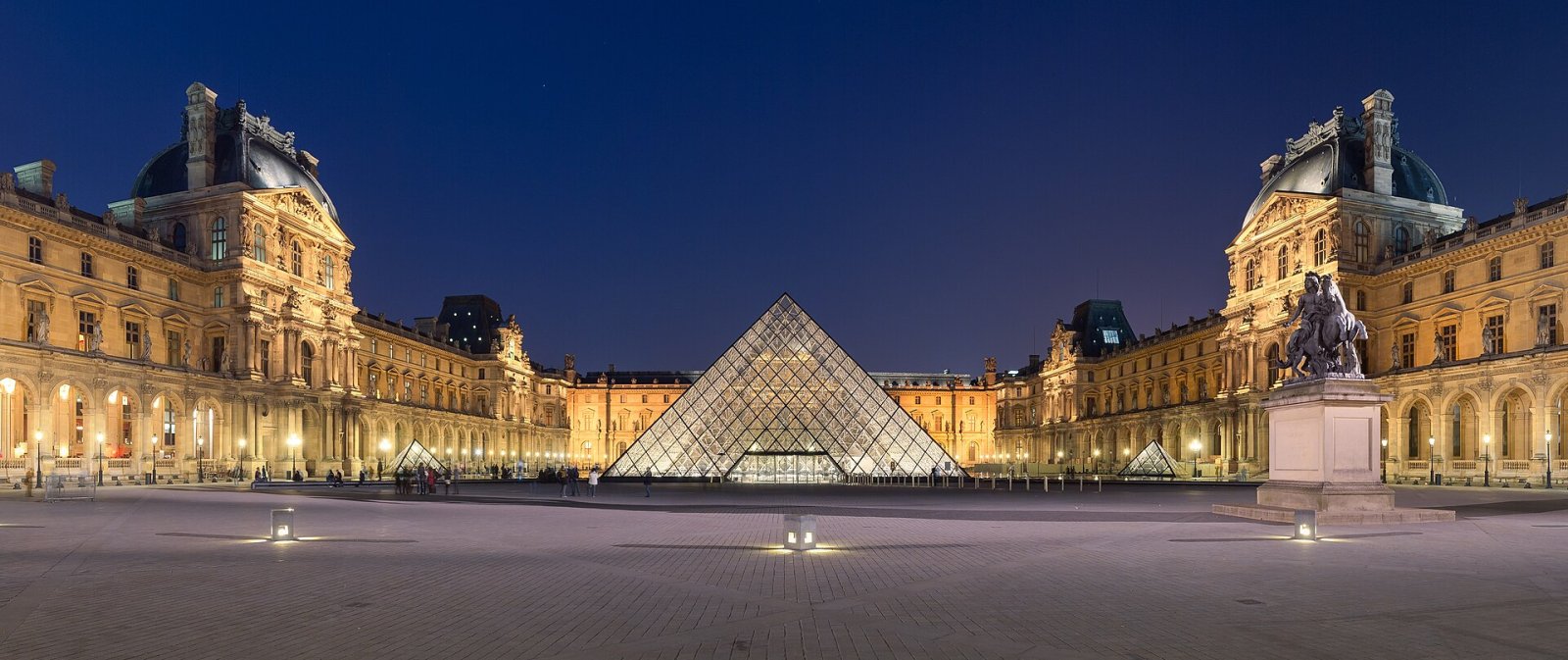

Located in the heart of Paris, the Musée du Louvre is undoubtedly one of the most famous and visited art museums in the world. With over 9 million visitors each year, this extraordinary museum is not only a cultural center but also a symbol of French history. Originally a royal palace, the Louvre houses an unparalleled collection of artworks, including masterpieces like Leonardo da Vinci's Mona Lisa and the Venus de Milo.
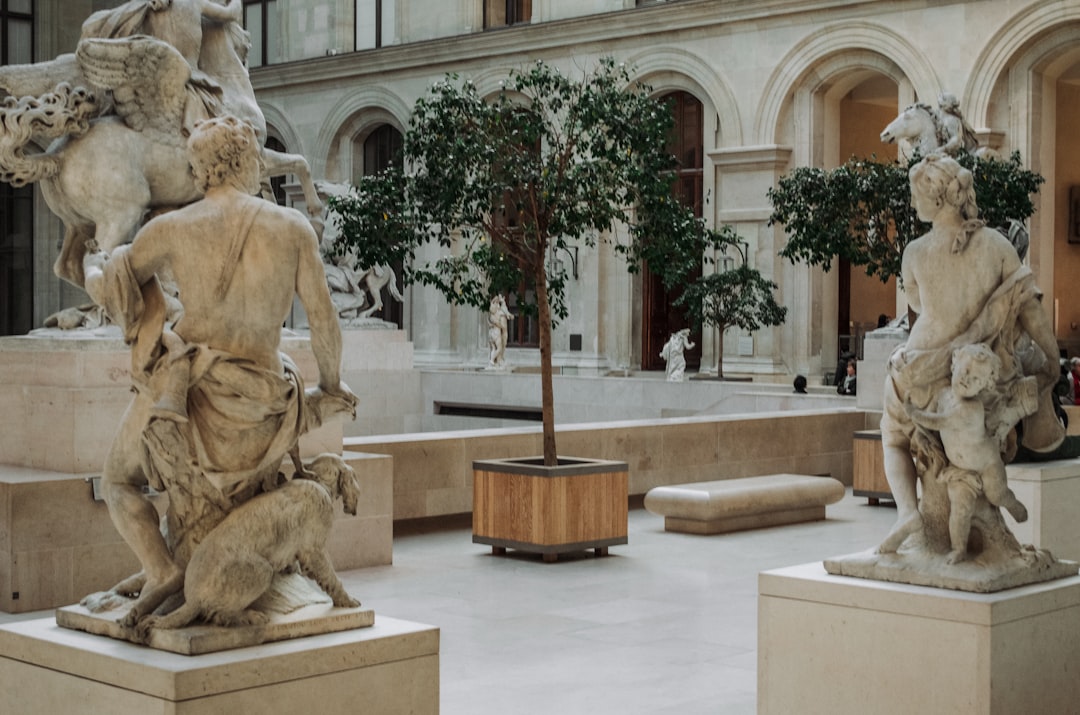
Its strategic location on the right bank of the Seine and its majestic architecture make it a fascinating place to explore. Every corner of the museum tells stories of art, power, and beauty, making the visit an unforgettable experience for every art and history enthusiast.
Historical and Cultural Context

The Musée du Louvre has a rich and complex history that dates back to the 12th century when it was a fortress built by Philip II. Over the centuries, the Louvre was transformed into a royal palace and finally into an art museum in 1793, during the French Revolution. This evolution reflects not only the political changes in France but also the growing importance of art and culture in society.
Throughout its history, the museum has undergone numerous expansions and renovations, culminating in the iconic glass pyramid designed by I. M. Pei, which serves as the main entrance. Today, the Louvre is not just a place to admire artworks but also a symbol of access and democratization of culture, welcoming visitors from every corner of the world.

What Strikes You About the Place
Upon entering the Louvre, visitors are immediately struck by the vastness and beauty of the exhibition spaces. The museum's halls are adorned with works ranging from antiquity to the modern era, creating a visual pathway that captivates the imagination. Among the most famous works, the Mona Lisa draws the attention of millions of visitors, thanks to her enigmatic smile and Da Vinci's mastery.
Another landmark of the museum is the Venus de Milo, a Greek sculpture that embodies classical beauty. Each displayed work tells a unique story, and the museum itself is a work of art, with its decorated ceilings and elegant staircases leading from one room to another, making every visit an extraordinary visual experience.
Visiting Experience
Visiting the Louvre is an experience that requires time and patience, as the vastness of its collection can be overwhelming. It is advisable to plan in advance which works you wish to see, to avoid getting lost among the numerous corridors and galleries. Most visitors start their journey from the famous glass pyramid, then proceed to the rooms dedicated to Egyptian, Greek, and Roman art.
Despite the large influx of tourists, the museum also offers moments of tranquility, especially in the less-visited areas. Audio guides and guided tours are valuable resources for better understanding the works and their historical context. Finally, the café inside the museum provides an opportunity to rest, allowing visitors to reflect on the wonders they have just admired.
Practical Information for Visitors
The Louvre is located in the 1st arrondissement of Paris and is easily accessible by public transport. It is open every day except Tuesday, and it is advisable to purchase tickets online to avoid long queues. Peak hours tend to be in the morning and during weekends, so visiting the museum during the week or in the late afternoon can offer a more tranquil experience.
Additionally, the museum offers numerous educational activities and workshops for adults and children, making the visit suitable for all ages. Don't forget to check the museum's official website for any special events or temporary exhibitions, which can further enrich your experience at the Louvre. To further explore the wonders of Paris, I recommend using the Secret World app, which provides detailed information and tips for your trip.


