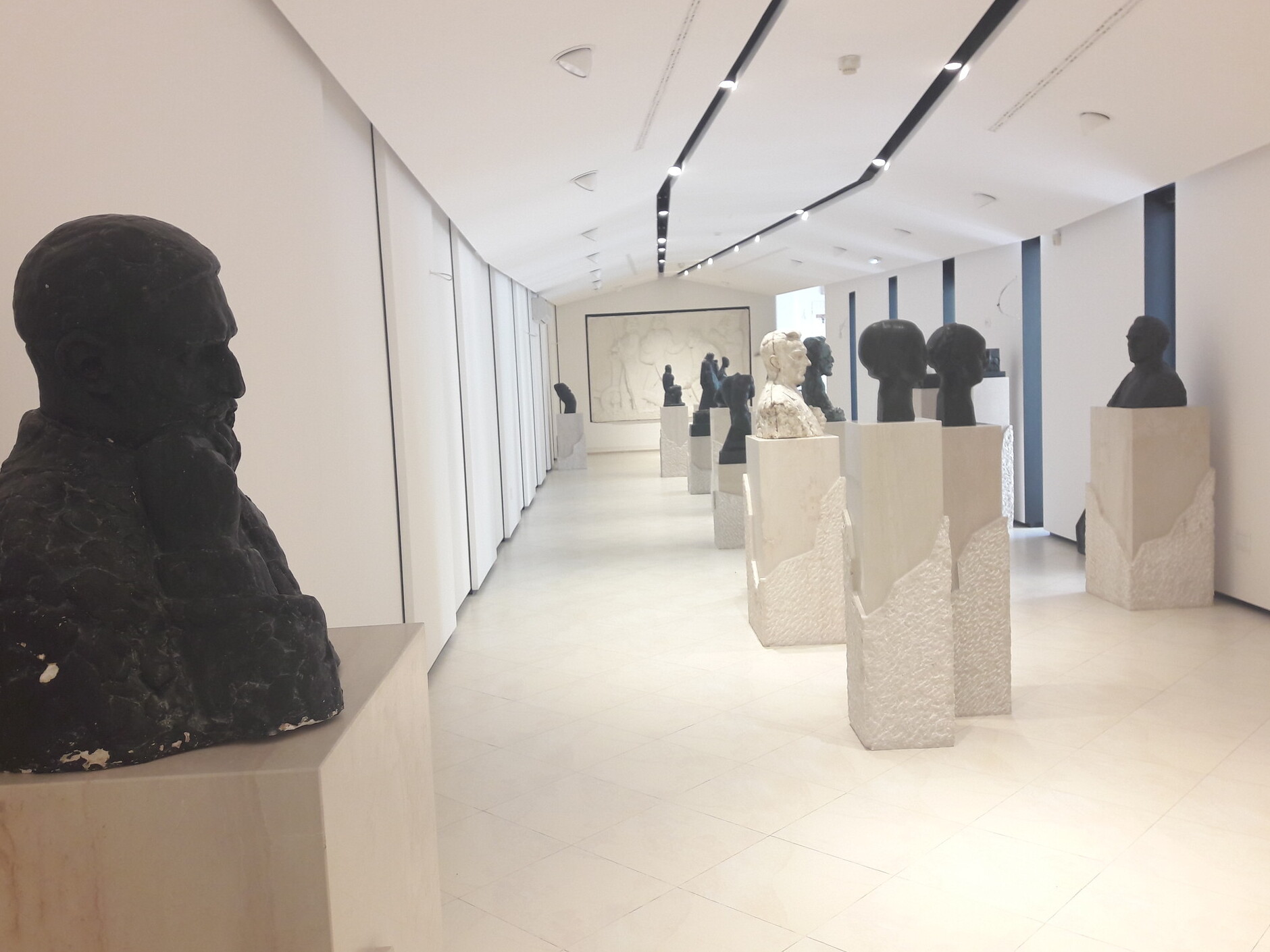

Nestled at the entrance of Drniš, Croatia, the Drniš City Museum is a treasure trove of history and art. This quaint museum, located near the picturesque Čikola River, offers visitors a glimpse into the rich tapestry of the region's past, including the remarkable works of renowned sculptor Ivan Meštrović. Established in the late 20th century, the museum aims to preserve and showcase the cultural heritage of Drniš and its surroundings.
### History and Origins Drniš has a storied past that dates back to ancient times. The area is believed to have been inhabited since the Neolithic era, with archaeological evidence suggesting a continuous human presence. The town itself developed in the Middle Ages, becoming an important administrative center during the Ottoman Empire. Key historical events, such as the Battle of Drniš in 1564, contributed to its legacy. The Drniš City Museum was founded in 1983, spearheaded by local historians keen on preserving the town's rich cultural and historical narrative.
### Art and Architecture The architectural style of the Drniš City Museum reflects the typical structures of the region, characterized by simple yet elegant lines. Inside, visitors are greeted by a meticulously curated collection of around 50 works by Ivan Meštrović, one of Croatia's most celebrated sculptors. His pieces, which span various mediums, illuminate the emotional depth and cultural significance of Croatian identity. Additional exhibits feature archaeological artifacts, old photographs, and military equipment, each narrating its own story of the town's heritage.
### Local Culture and Traditions Drniš is steeped in cultural traditions that are still alive today. The town is known for its annual Drniš Fair, a vibrant gathering that showcases local crafts, music, and gastronomy. This fair is a perfect opportunity to experience the warmth of the community and the richness of local customs. Traditional festivals often feature folk music, dances, and performances that celebrate the region’s history. Šoparnik, a savory pie filled with chard, is a highlight of local cuisine during these events, symbolizing the town’s agricultural roots.
### Gastronomy The culinary scene in Drniš is as rich as its history. Local specialties include Pršut, a dry-cured ham that is a staple of Dalmatian cuisine, and Šoparnik, which embodies the flavors of the region. Visitors can enjoy these dishes paired with local wines, such as Plavac Mali, which is renowned for its robust flavor. The gastronomy of Drniš is not just about food but reflects a lifestyle that values tradition and quality, making dining here an immersive cultural experience.
### Lesser-known Curiosities One of the most intriguing aspects of the Drniš City Museum is its collection of numismatic artifacts, which includes coins dating back to the Roman era. These coins tell tales of trade and economic dynamics in ancient times. Additionally, hidden within the museum's archives are rare postcards and maps that provide insight into the evolution of Drniš over the decades. A lesser-known fact is that Drniš was once a hub for the production of pottery, with techniques passed down through generations, although this craft has dwindled in modern times.
### Practical Visitor Information The best time to visit Drniš City Museum is during the spring and early autumn when the weather is mild, and local festivals are in full swing. The museum is open throughout the week, but checking specific hours before your visit is advisable. When exploring, pay close attention to the artworks of Ivan Meštrović and the narrative behind the collections. Don't miss the opportunity to stroll along the Čikola River nearby, where the serene landscapes add to the charm of your visit.
Whether you are an art enthusiast, history buff, or a curious traveler, the Drniš City Museum offers a unique window into the heart of Croatian culture. To make the most of your visit, consider using the Secret World app to plan a personalized itinerary that includes all the hidden gems of Drniš.
