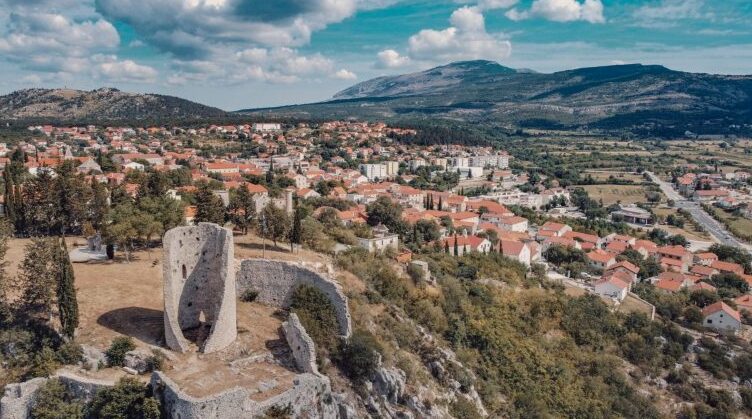

Nestled in the heart of Dalmatia, the Town of Drniš is a captivating gem that offers a rich tapestry of history, culture, and stunning natural beauty. This quaint town, located in the Šibenik-Knin County, serves as a vibrant crossroads between the majestic Krka National Park and the historical landscapes of Šibenik and Knin. With its mild sub-Mediterranean climate, Drniš is not only a feast for the eyes but also a delight for the senses.
### History and Origins
The origins of Drniš can be traced back to ancient times, with the first written mention occurring in 1494. However, archaeological findings indicate that this area has been inhabited since the Roman era, providing a glimpse into its long-standing significance in the region. The town was strategically important during the medieval period, serving as a defensive stronghold against various invasions. The Croatian lords constructed medieval fortifications that still stand today, guarding the routes over the Krka and Čikola rivers.
One of the most notable figures associated with Drniš is the renowned sculptor Ivan Meštrović, born in the nearby village of Vrpolje. His influence is evident in the town’s artistic landscape and serves as a source of pride for its residents. Meštrović's contributions to art and culture are celebrated throughout the region, and his legacy remains intertwined with the identity of Drniš.
### Art and Architecture
Drniš boasts a charming blend of architectural styles that reflect its rich history. The town’s churches and fortifications, built in various periods, showcase the evolution of local architecture from medieval times to the present day. The Church of St. John the Baptist, a notable example, features a blend of Gothic and Renaissance elements, highlighting the town's historical significance.
Art lovers will appreciate the presence of Meštrović's works scattered throughout the area. His sculptures not only capture the spirit of Croatian culture but also serve as a reminder of the town’s artistic heritage. Visitors can explore various installations and exhibitions that pay homage to his legacy, making Drniš a noteworthy stop for anyone interested in the arts.
### Local Culture and Traditions
The cultural fabric of Drniš is vibrant, with inhabitants deeply rooted in their folk traditions. The town is alive with music, dance, and colorful folk costumes during various festivals. One of the most significant events is the Drniš Cultural Summer, where traditional dances and songs echo through the streets, celebrating the rich heritage of the area.
Customs such as the "Kraljica" festival, which honors local saints, showcase the community’s dedication to preserving their cultural identity. These events not only bring locals together but also invite visitors to experience the warmth and hospitality of Drniš.
### Gastronomy
A trip to Drniš would be incomplete without indulging in its culinary delights. The town is famous for its prosciutto, known locally as Drniški pršut, which is cured using traditional methods that have been passed down through generations. This delicacy is often paired with excellent local wines, such as those produced from the indigenous Babić grape, renowned for its rich flavors.
In addition to prosciutto, visitors can savor other regional dishes that highlight the agricultural bounty of the area, including hearty stews, homemade cheeses, and freshly baked bread. Dining in Drniš is not just about the food; it’s an invitation to experience the local way of life.
### Lesser-known Curiosities
Beyond its primary attractions, Drniš holds a few hidden gems that often go unnoticed by tourists. One such curiosity is the "Drniš Stone," a unique type of limestone that has been used in construction and sculpture for centuries. This material is not only significant for its durability but also for its aesthetic appeal, often found in local buildings and artworks.
Another fascinating aspect is the town's connection to traditional weaving. The craft has been practiced for generations, with local artisans producing exquisite textiles that reflect the region’s cultural heritage. Visitors can often find these handmade items at local markets, providing an authentic piece of Drniš to take home.
### Practical Visitor Information
The best time to visit Drniš is during the spring and early autumn months when the weather is mild, and the landscape is in full bloom. The town is accessible by car and is conveniently located near major cities like Šibenik. When exploring Drniš, take the time to wander through its charming streets, visit the local markets, and engage with the friendly inhabitants who are eager to share their traditions.
Don’t miss the opportunity to explore the surrounding natural beauty, including hiking trails that lead to stunning viewpoints of the Promina mountain and the serene banks of the Čikola river.
For a truly personalized experience, consider using the Secret World app to craft an itinerary that uncovers the hidden treasures of Drniš.
