
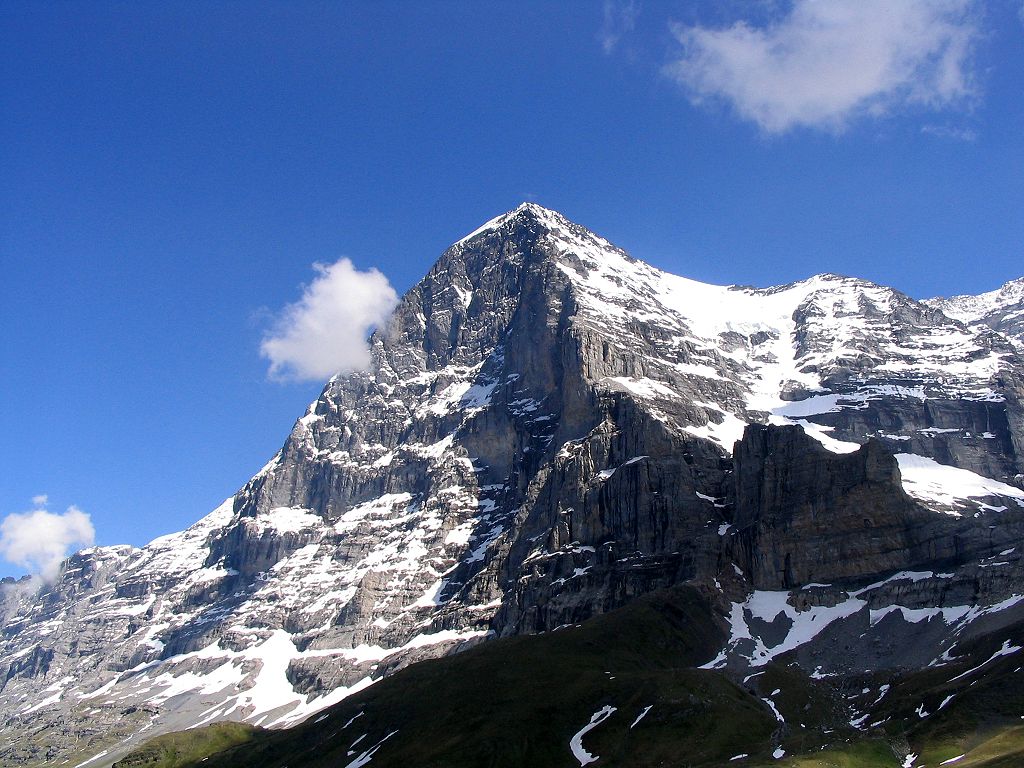

With its sheer vertical face looming ominously over the Alpine landscape, the North Face of the Eiger has captured the imagination and respect of mountaineers and travelers alike. Situated near the quaint Swiss village of Grindelwald, this formidable mountain wall is not only a geographical marvel but also a historical and cultural icon, deeply etched in the annals of alpine exploration.
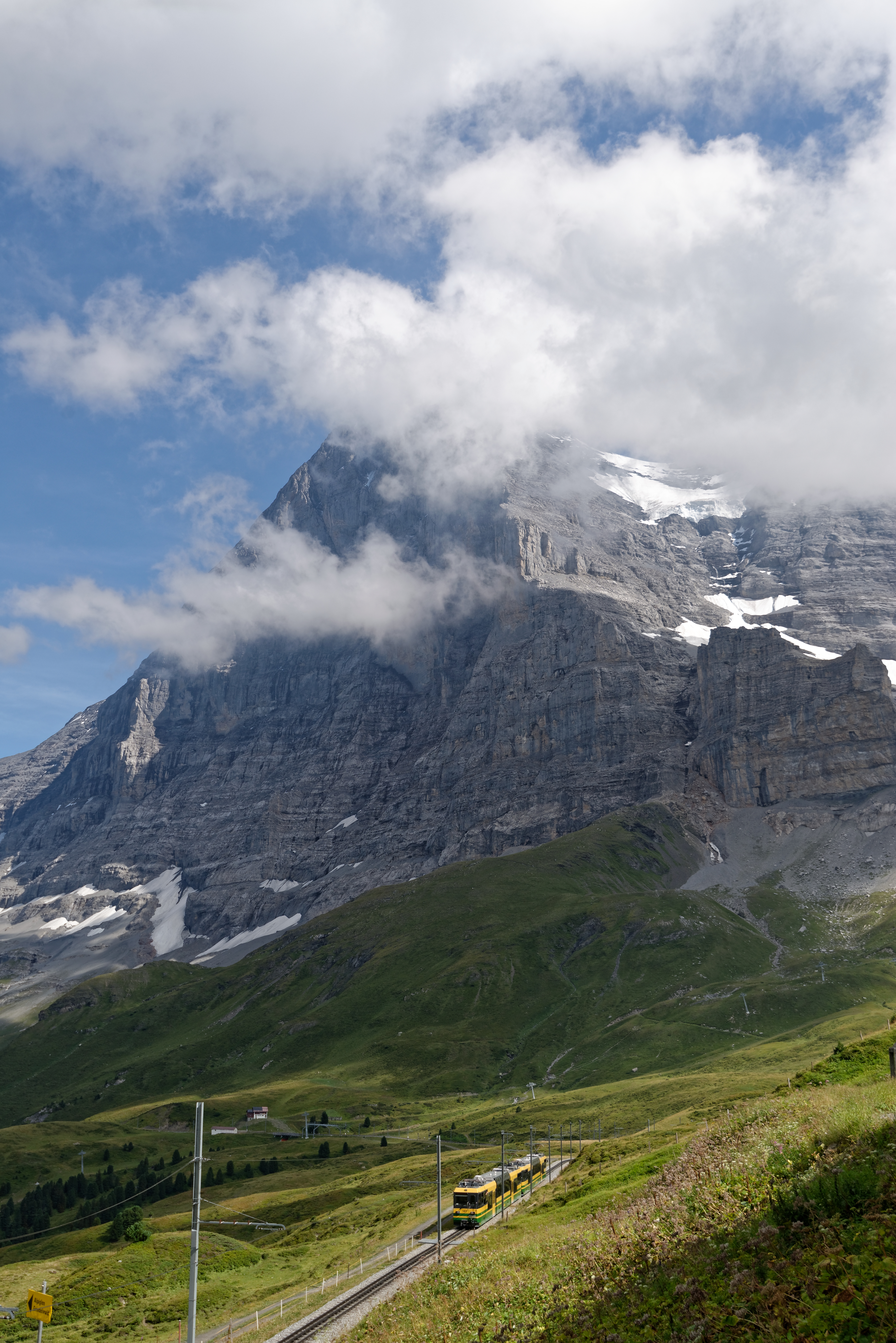
The history of the Eiger is as complex and rugged as its infamous north face. The mountain, first climbed in 1858 via its western flank, seemed unconquerable from the north. It wasn't until July 24, 1938, that a team of German and Austrian climbers—Heckmair, Vörg, Harrer, and Kasparek—successfully completed the first ascent of the Eiger’s North Face, affectionately known as the "Nordwand". This ascent marked a pivotal moment in mountaineering history, often referred to as the "last great problem" of the Alps, and established the Eiger as a benchmark for extreme alpine challenges.
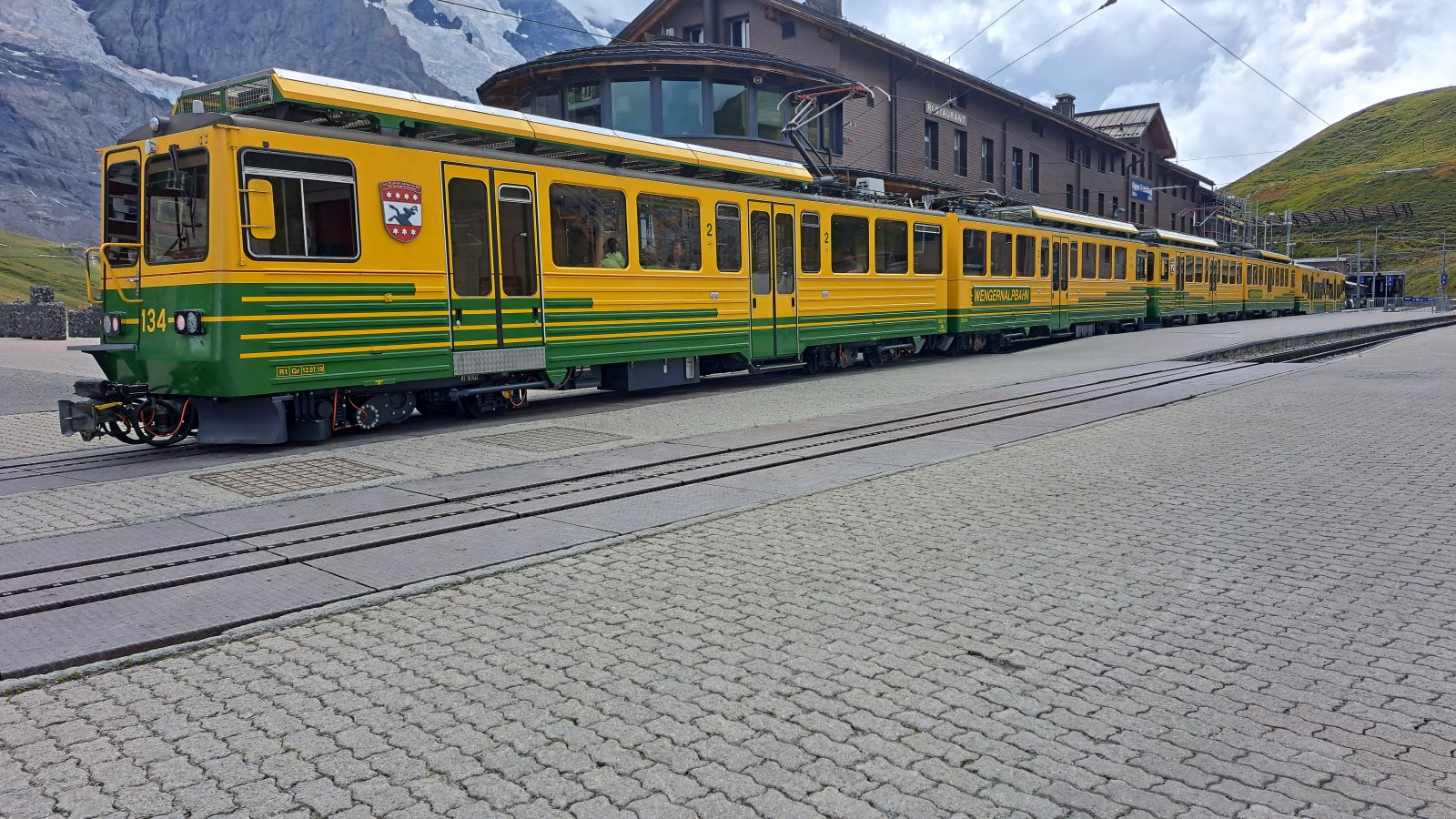
The architectural landscape of Grindelwald and the surrounding Bernese Oberland is quintessentially Swiss, with charming chalet-style buildings and traditional wooden barns dotting the verdant valleys. While the Eiger itself is a natural monument, nearby structures such as the Jungfraujoch railway station—the highest in Europe—showcase the blend of human ingenuity with the awe-inspiring Alpine environment. The cogwheel train that tunnels through the Eiger itself is a marvel of early 20th-century engineering, offering glimpses of the North Face through special observation windows carved into the mountain.
Culture in this region is rich with a blend of alpine traditions and Swiss customs. One of the most cherished events is the Alpabzug, the annual descent of cattle from the mountain pastures in late September. This colorful procession is a celebration of local agricultural heritage and is accompanied by music, dance, and the tinkling of cowbells echoing through the valley. Additionally, the Eiger Ultra Trail, a grueling marathon event, attracts runners from around the world eager to test their limits against the dramatic backdrop of the Eiger.
The gastronomy of the Grindelwald region reflects the hearty and comforting flavors typical of Swiss mountain cuisine. Visitors can indulge in dishes such as raclette and fondue, where locally sourced cheese takes center stage. Don’t miss trying Rösti, a simple yet satisfying potato dish, often served with speck or eggs. For something sweet, sample Nidlechueche, a rich cream cake that perfectly complements the crisp mountain air.
Beyond the well-trodden paths, the Eiger holds countless curiosities and tales. One lesser-known fact is that the North Face is sometimes called the "Mordwand" (murder wall) due to the perilous nature of early climbing attempts. The mountain's formidable reputation was solidified by numerous tragic incidents, adding a somber layer to its allure. Another intriguing detail is the presence of the Stollenloch, or "window" in the North Face, a relic from the construction of the railway, which offers climbers a unique and surreal vista at 2,865 meters.
For those planning a visit, the best time to experience the Eiger’s majesty is from late spring to early autumn when the trails are accessible and the weather is more forgiving. Winter, though picturesque, brings heavy snowfall, making climbing and hiking particularly challenging. When visiting, it's essential to start at the Kleine Scheidegg, where trails lead to some of the most breathtaking views of the Eiger. For a less strenuous journey, the train to Jungfraujoch provides an unforgettable ride through the heart of the Alps.
In conclusion, the Eiger’s North Face is not just a geographical feature but a symbol of the indomitable human spirit. Its history, culture, and natural beauty offer a compelling narrative that continues to attract and challenge adventurers from around the globe. Whether you come to climb, to explore, or simply to marvel at its majestic silhouette, the Eiger promises a profound experience that lingers long after you leave its shadow.


