
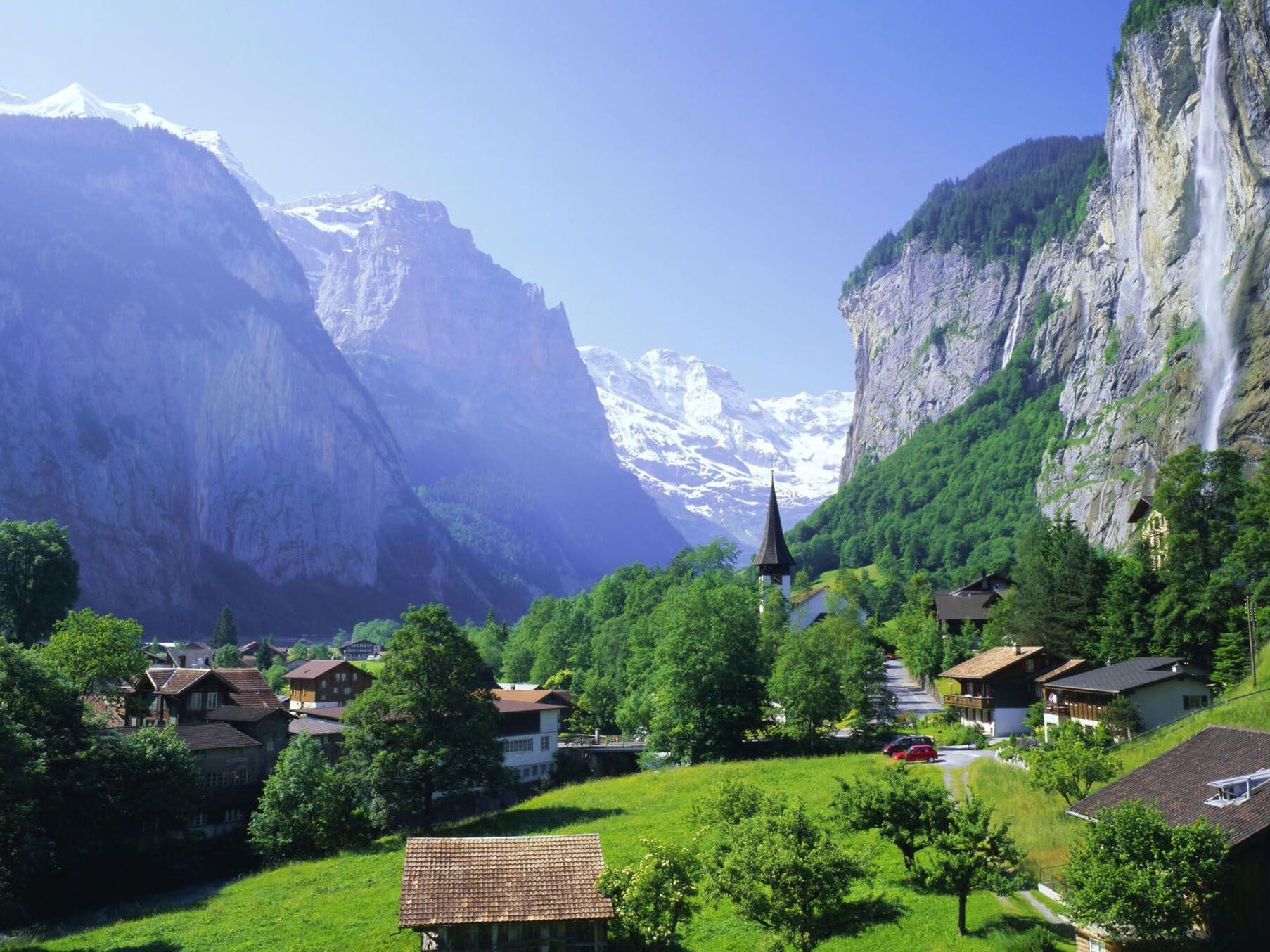

Nestled deep within the heart of the Swiss Alps, Lauterbrunnen is a place where nature's grandeur is both audible and visible, with the iconic Staubbach Falls as its crowning jewel. As the water cascades from a towering height of nearly 300 meters, it creates a mesmerizing mist, a spectacle that has captivated the hearts of travelers and poets alike. Johann Wolfgang von Goethe, inspired by this very waterfall, penned his famous poem "Gesang der Geister über den Wassern" during a visit in 1779, a testament to the timeless allure of this valley.
The history of Lauterbrunnen is as rich as its landscapes. The name itself is derived from the Old High German "lauter" meaning clear, and "brunnen" meaning fountains, aptly describing the valley’s pristine waters. Archaeological evidence suggests human presence in the area during the Bronze Age, but it was in the 13th century that Lauterbrunnen gained prominence when the Walser people settled here, bringing with them a unique cultural heritage that still echoes through the valley.
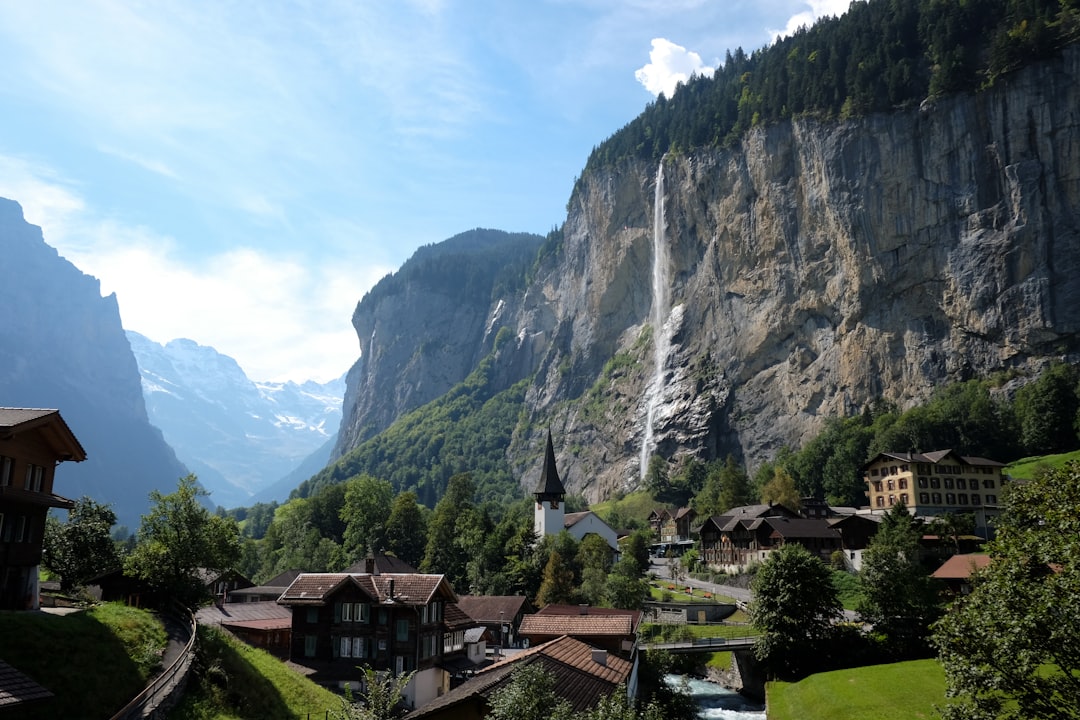
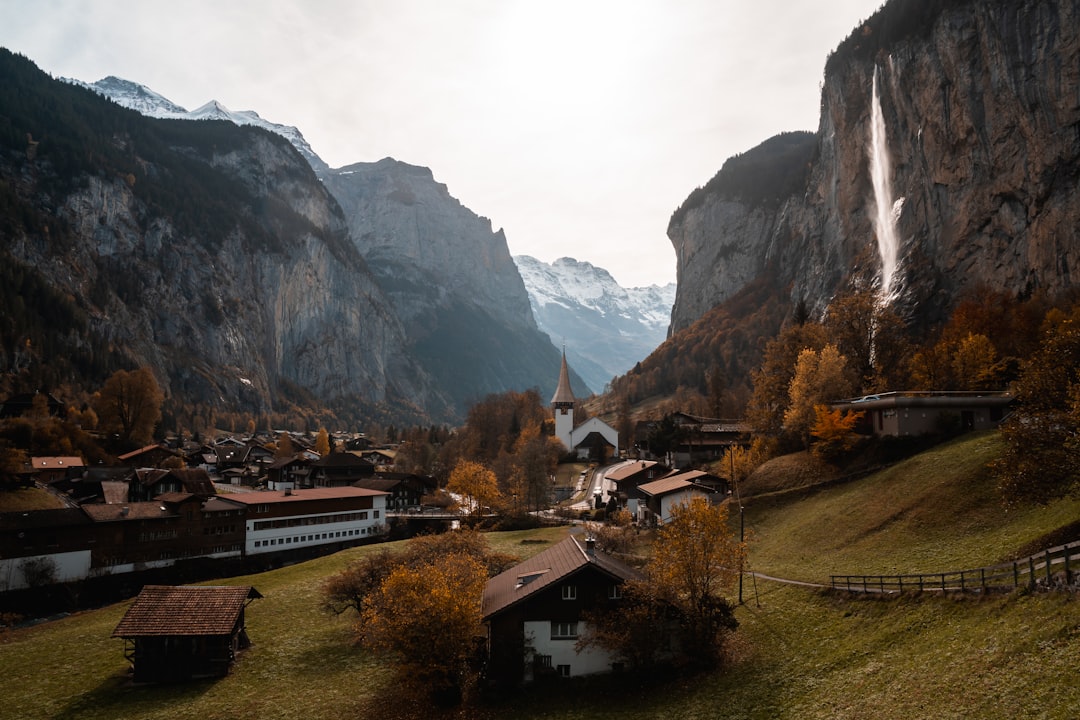
Architecturally, Lauterbrunnen is a charming tapestry of traditional Swiss alpine structures, where wooden chalets with sloping roofs dot the landscape. The Staubbachfall Chapel, a quaint yet significant landmark, embodies the simplicity and spiritual depth of the region. Built in the early 16th century, this chapel has stood as a beacon for travelers seeking solace in nature's embrace. The village's architecture is not just functional but a testament to the harmonious relationship between the inhabitants and their environment.
Culturally, Lauterbrunnen is a treasure trove of traditions. The Unspunnenfest, a festival that occurs every twelve years in nearby Interlaken, celebrates Swiss culture through traditional wrestling, yodeling, and the tossing of the Unspunnen stone, a giant boulder weighing 83.5 kg. The festival draws visitors from around the world, yet it remains a deeply local affair, preserving customs passed down through generations.
When it comes to gastronomy, Lauterbrunnen offers a taste of authentic Swiss flavors. The Rösti, a hearty dish of grated potatoes, is a local staple, often served with eggs and cheese. Meanwhile, Raclette, a semi-hard cheese melted and scraped over boiled potatoes or pickles, provides a sumptuous culinary experience emblematic of the region's alpine culture. To accompany these dishes, a glass of local Fendant wine, a crisp and fruity white, is the perfect complement.
Beyond the well-trodden paths lie the lesser-known curiosities of Lauterbrunnen. Many visitors are unaware of the Trümmelbach Falls, a series of ten glacier-fed waterfalls hidden within the mountain itself. Accessible via a tunnel lift, these falls thunder with glacial meltwater from the Eiger, Mönch, and Jungfrau peaks. Moreover, the valley served as an inspiration for J.R.R. Tolkien, whose visit in 1911 left an indelible mark on his imagination, influencing the depiction of Rivendell in "The Lord of the Rings."
For those planning a visit, the best time to experience Lauterbrunnen is during the late spring and early autumn months. The valleys are lush and vibrant in May and June, while September offers a quieter, more reflective atmosphere as the summer crowds dissipate. Visitors should pack layers, as the alpine climate can be unpredictable, and be sure to wear sturdy footwear for exploring the trails.
To fully appreciate Lauterbrunnen, take the time to wander beyond the main village. Venture into the smaller hamlets of Wengen and Mürren, each offering unique perspectives of the towering peaks. Whether hiking, skiing, or simply soaking in the vistas, Lauterbrunnen promises an unforgettable encounter with the majestic beauty of the Swiss Alps.
In Lauterbrunnen, every corner tells a story, every cascade sings a melody, and every path leads to discovery. It's a place where the past and present coexist, inviting travelers to pause, reflect, and become part of its ever-unfolding narrative.


