
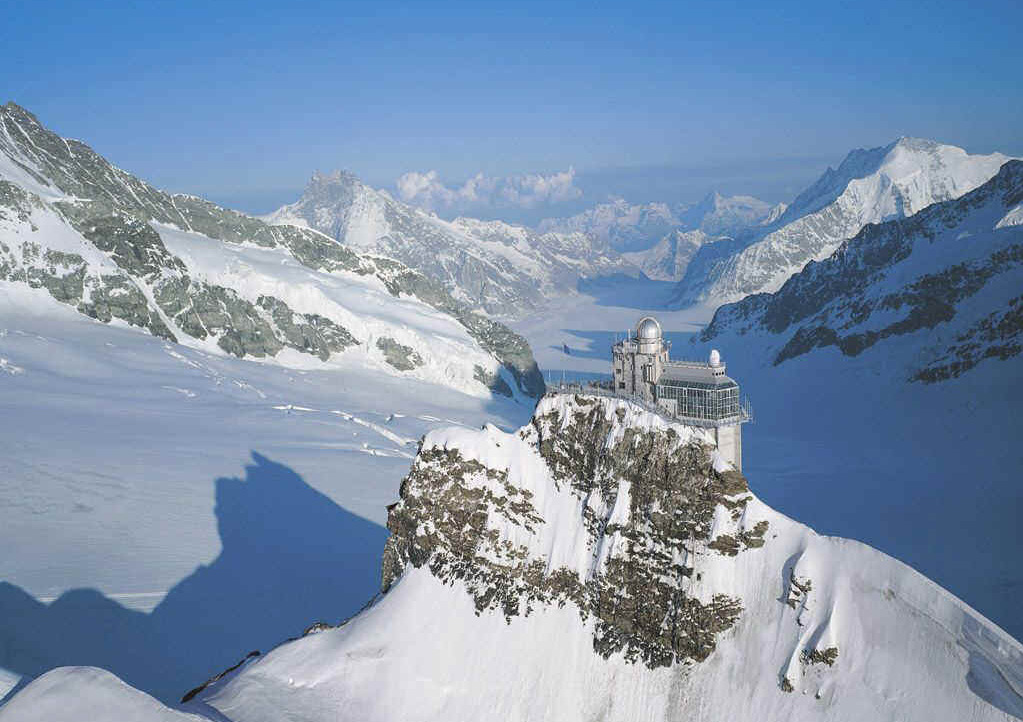

{ "title": "Jungfraujoch: A Majestic Col in the Bernese Alps, Switzerland", "description": "The Jungfraujoch is not just a spectacular col nestled in the Bernese Alps; it is a realm where nature, history, and culture converge in breathtaking harmony. Known as the 'Top of Europe,' the Jungfraujoch is accessible via an iconic railway journey that culminates at the highest railway station in Europe, standing proudly at 3,454 meters (11,332 feet) above sea level. The journey itself is a feast for the eyes, with winding tracks that offer panoramic views of towering peaks and lush valleys, making the long ride from Zurich—approximately 4.5 hours—well worth it. \n\n### History and Origins\nThe history of the Jungfraujoch dates back centuries, entwined with the geological formations of the Bernese Alps. The region was initially inhabited by the Walser, a Germanic people, who settled in the area around the 13th century. The name 'Jungfraujoch' translates to 'young woman’s saddle,' a reference to its shape, while the peaks of Eiger, Mönch, and Jungfrau loom majestically above. The Jungfraubahn railway project commenced in the late 19th century, with the first section completed in 1896. By 1912, the railway reached the Jungfraujoch, making it a popular tourist destination that would forever change the landscape of mountain tourism in Switzerland.\n\n### Art and Architecture\nThe architecture at Jungfraujoch reflects a blend of functionality and beauty, designed to withstand the harsh mountain conditions while providing an aesthetic appeal to visitors. The Sphinx observatory, an architectural marvel, was completed in 1937 and offers one of the highest astronomical observations in the world. Its sleek design and large observation deck allow visitors to gaze out over the Aletsch Glacier, a UNESCO World Heritage Site. While there are no galleries or museums here, the stunning views serve as a natural canvas, showcasing the artistry of the mountains themselves.\n\n### Local Culture and Traditions\nThe culture surrounding Jungfraujoch is deeply tied to the traditions of the Bernese Oberland region. Local customs are characterized by a rich tapestry of folklore, music, and dance. One of the most notable festivals is the Alpabzug, held in the autumn, where cattle adorned with flowers are paraded down from the high pastures. This festival not only celebrates the end of the grazing season but also reinforces the strong connection between the community and its agricultural roots. Visitors can often experience local music, including yodeling, which echoes through the valleys, embodying the spirit of the Alps.\n\n### Gastronomy\nThe culinary landscape at Jungfraujoch is modest but delightful, featuring local Swiss fare that is perfect for warming up after a day of exploration. Expect to find hearty raclette, a melting cheese served with potatoes and pickles, and fondue made with a blend of local cheeses. For a quick snack, don't miss the Berner Platte, a traditional platter of cold cuts, sausages, and cheeses. Pair your meal with a warm cup of Swiss hot chocolate or a local beer to experience the authentic flavors of the region.\n\n### Lesser-known Curiosities\nDespite its fame, the Jungfraujoch holds many surprises for the inquisitive traveler. One fascinating detail is the Eiger Glacier, which is constantly shifting, and visitors can witness the dramatic changes in its landscape. Additionally, the Sphinx observatory is not just a viewing platform; it features a small exhibit on climate change, showcasing how glaciers are retreating due to global warming. Another interesting fact is the Jungfraujoch's role in filmmaking; it has served as a backdrop for various films, including the James Bond classic " , " establishing its cinematic significance.\n\n### Practical Visitor Information\nThe best time to visit the Jungfraujoch is during the summer months, from late June to September, when the weather is milder and the views are crystal clear. However, winter also brings its charm, with snowy landscapes and opportunities for skiing. When planning your visit, it's essential to dress in layers, as temperatures can fluctuate dramatically. Don't forget to bring a camera; the views are truly postcard-perfect. Consider arriving early in the day to avoid crowds and enjoy the tranquility of the mountain.\n\nIn conclusion, the Jungfraujoch is more than just a destination; it is an experience that connects you with nature's grandeur and the rich cultural tapestry of Switzerland. For those looking to explore beyond the surface, using the Secret World app can help tailor a personalized itinerary to make the most of your visit to Grindelwald** and its stunning surroundings."


