
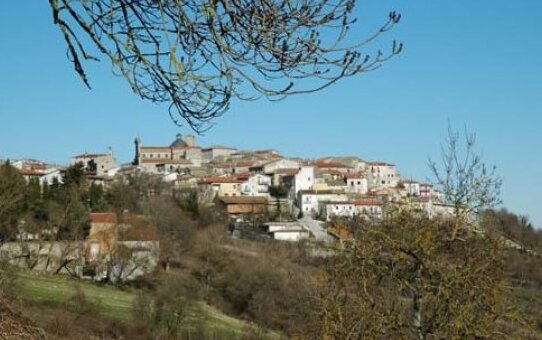

Nestled high in the Daunia mountains, the enchanting village of Faeto feels like a step back in time. With fewer than 700 inhabitants, this hidden gem boasts an intact medieval charm that captivates visitors seeking authentic experiences. From its breathtaking vistas of the Tavoliere delle Puglie, the Gargano Peninsula, and the Gulf of Manfredonia, to its unique cultural heritage, Faeto is a place where history, nature, and tradition beautifully intertwine.
History and Origins
The origins of Faeto can be traced back to the Middle Ages, with historical evidence suggesting that the settlement was established around the 11th century. While the exact date of its founding remains unclear, it is believed that the village was formed by people fleeing from nearby conflicts, seeking refuge in the mountains. The village's name, derived from the Franco-Provençal term "Faìte," meaning beech wood, underscores its deep-rooted connection to the surrounding forest.
Faeto, along with the neighboring village of Celle San Vito, represents one of the last remaining linguistic islands of Franco-Provençal in Puglia. This unique linguistic heritage has helped preserve the village’s customs, folklore, and traditions over centuries. The Austrian Empire once exerted influence over this region, further enriching its cultural tapestry.
Art and Architecture
Wandering through the narrow, winding streets of Faeto is like strolling through a living museum. The architecture reflects a mix of styles, with many buildings dating back to the medieval period. The village is characterized by its stone houses adorned with ornate balconies and beautifully carved wooden doors.
One of the most notable structures is the Church of San Rocco, which features a striking bell tower and intricate frescoes that depict scenes from the life of the saint. The church stands as a testament to the village's deep religious roots and the community's devotion.
Artisans in Faeto continue to practice traditional crafts, making handmade textiles and pottery. These artisanal skills are not just a means of livelihood but a way to keep the village’s rich cultural identity alive.
Local Culture and Traditions
Life in Faeto is steeped in tradition, where age-old customs are celebrated with fervor. Festivals play a crucial role in the cultural landscape, with the Feast of San Rocco held every August being one of the most significant. This vibrant event features processions, folk music, and traditional dances that showcase the communal spirit of the villagers.
The village also holds an annual festival dedicated to the Chestnut, highlighting the importance of this local produce. Faeto is surrounded by lush forests, and the chestnuts harvested here are renowned for their quality, contributing to the community's identity.
Additionally, the dialect spoken in Faeto is a unique blend of Franco-Provençal and Italian, with expressions and phrases that reflect the village's history and connection to nature.
Gastronomy
The culinary landscape of Faeto is a delightful exploration of local flavors and traditional recipes. The village is particularly known for its homemade pasta dishes, such as strascinati, which are often served with rich, flavorful sauces made from locally sourced ingredients.
Another local delicacy is cicoria, a wild chicory that grows abundantly in the surrounding hills, often sautéed with garlic and olive oil. The village also produces excellent extra virgin olive oil, which is a staple in many dishes and an essential part of the Mediterranean diet.
No visit to Faeto would be complete without sampling the delightful vino from the region. Local wines, particularly Primitivo and Negroamaro, pair beautifully with the hearty fare, offering a true taste of the Puglian terroir.
Lesser-Known Curiosities
Beyond its picturesque scenery and cultural heritage, Faeto hides many intriguing tales. The village is said to be home to several legends involving fairies and mythical creatures, often recounted by the older generations around cozy fires. These stories reflect the rich folklore of the region and its connection to the natural world.
Moreover, Faeto is known for its unique beekeeping traditions. The villagers produce high-quality honey, particularly from the nectar of wildflowers and chestnut trees, which is celebrated for its distinct flavor. This artisanal honey is often sold at local markets and is a perfect souvenir for those wishing to take a piece of Faeto home.
Practical Visitor Information
The best time to visit Faeto is during the late spring and early autumn months when the weather is pleasantly mild, making for comfortable exploration of the village and surrounding landscapes. Visitors can enjoy hikes in the Difesa Forest, where the majestic beech and oak trees create a serene atmosphere.
When planning a trip, it’s wise to check local calendars for festivals, as participating in these events will provide a deeper understanding of Faeto's culture. The village offers a range of accommodations, from charming guesthouses to agriturismos that allow visitors to immerse themselves in the local way of life.
In conclusion, Faeto is a treasure trove of history, culture, and natural beauty waiting to be discovered. Its medieval streets, rich traditions, and gastronomic delights make it a must-visit destination in Puglia. For a personalized itinerary that captures the essence of this enchanting village, consider using the Secret World app to enhance your travel experience.


