
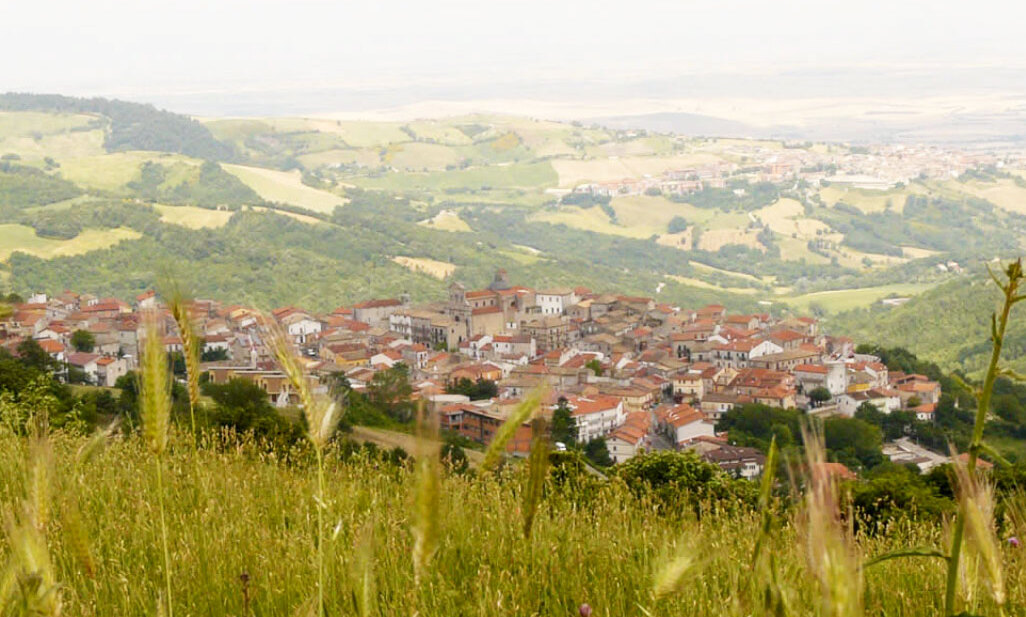

Nestled in the heart of the Subappennino Dauno, the charming village of Faeto offers a captivating blend of history, culture, and natural beauty. With just over 600 inhabitants, this quaint settlement is celebrated not only for its lush surroundings but also for its unique heritage, which has withstood the test of time.
History and Origins
The roots of Faeto can be traced back to the 13th century, a time marked by significant political upheaval in southern Italy. According to local tradition, the village was established around the year 1269 when King Charles of Anjou dispatched approximately 200 Provençal soldiers to the region. These soldiers were tasked with the siege of the Saracens in Lucera and, following their victory, were granted permission to settle near the Crepacore Castle. This military presence laid the foundation for a community that would evolve over the centuries, maintaining its distinct cultural identity through the preservation of the Francoprovençal language.
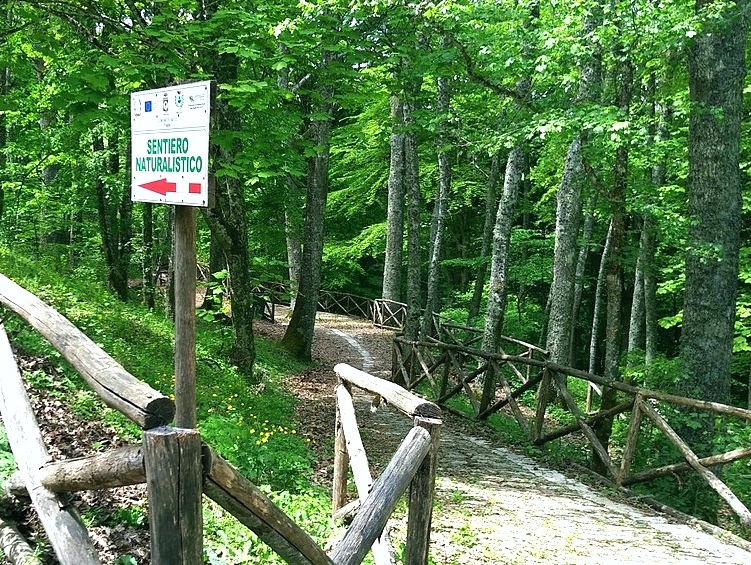
As the years progressed, Faeto became a refuge for those seeking the tranquility of the surrounding woodlands. The village's name itself, derived from the Francoprovençal term "Faíte," means "beech wood," highlighting the vital role that nature plays in the identity and livelihood of its residents.
Art and Architecture
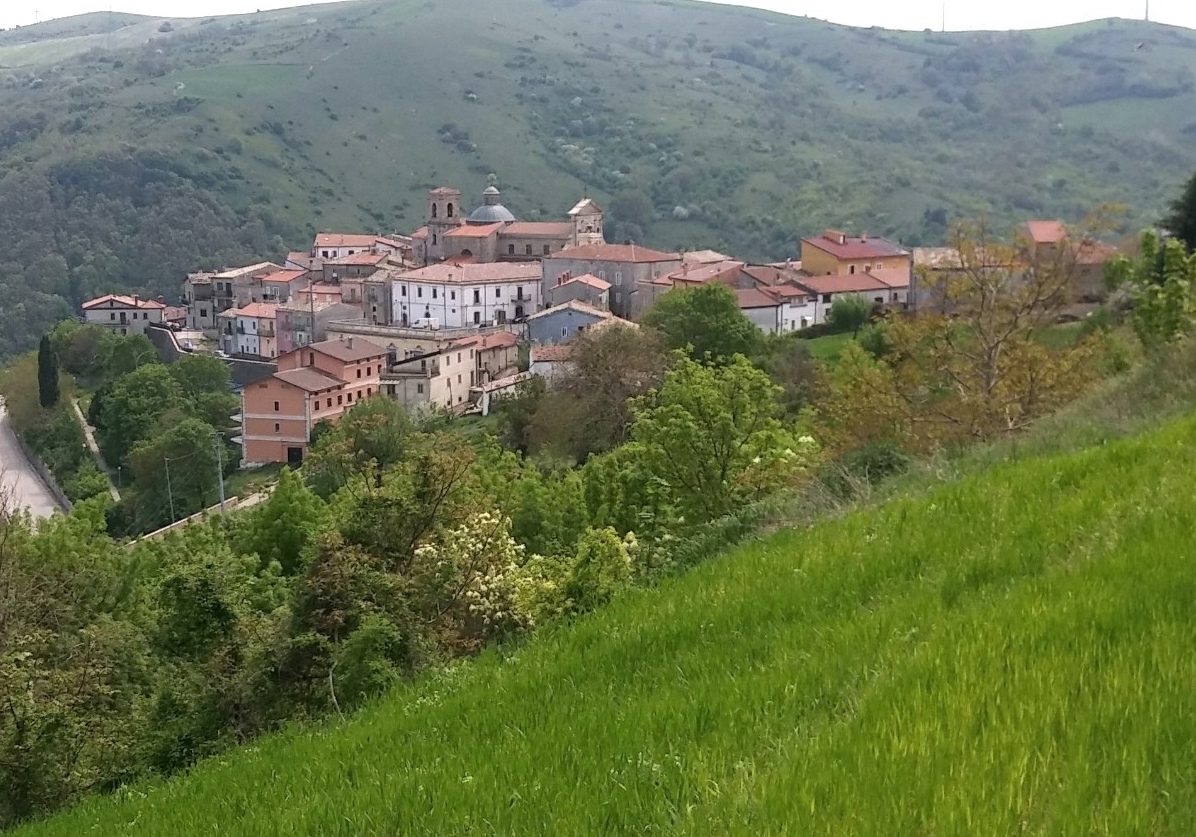
Walking through the narrow streets of Faeto, visitors are greeted by a charming array of traditional stone houses that reflect the architectural styles of the region. The village’s layout, characterized by winding paths and quaint corners, gives a glimpse into its medieval roots. Notably, the Church of San Giovanni Battista stands as a prominent feature, showcasing a blend of Gothic and Romanesque styles. This centuries-old church is adorned with beautiful frescoes and an intricately carved wooden altar, exemplifying the artistic heritage of the area.
The village also boasts a rich tradition of craftsmanship, particularly in woodworking and textile production, with artisans often creating pieces that reflect local themes and motifs. Faeto’s artistic significance lies not only in its physical structures but also in the stories they tell about the community’s resilience and creativity.
Local Culture and Traditions
The cultural tapestry of Faeto is woven with rich traditions that reflect its unique identity. The Francoprovençal language, still spoken by locals, serves as a living testament to the village's historical roots. This linguistic heritage is celebrated during various local festivals, where music and dance come together to honor the community's ancestry.
One of the most cherished events is the Feast of San Giovanni, held in late June, which attracts residents and visitors alike. During this vibrant celebration, the streets come alive with processions, traditional music, and culinary delights. Locals prepare a feast of regional specialties, showcasing the flavors of the land, and creating an atmosphere of unity and joy.
Gastronomy
Speaking of flavors, Faeto is home to a delightful array of local dishes that reflect the village's agricultural heritage. The cuisine is characterized by simple, hearty ingredients that highlight the bounty of the surrounding countryside.
One must-try dish is the “Orecchiette con le cime di rapa,” a traditional pasta paired with turnip tops, offering a perfect balance of flavors. Additionally, local cheeses, particularly “Cacioricotta,” a fresh cheese made from sheep's milk, are staples on dining tables, often enjoyed with homemade bread.
To wash down these delicious meals, visitors can savor a glass of “Vino di Faeto,” a local wine that embodies the character of the region. The wine, produced from grapes grown in the nearby hills, complements the rustic flavors of the local cuisine beautifully.
Lesser-Known Curiosities
While Faeto is a small village, it is not without its hidden gems. One lesser-known curiosity is the “Festa della Madonna della Strada,” celebrated in early September. This event not only features religious processions but also includes a unique tradition where locals recreate the ancient practice of “scampanata,” ringing bells in a harmonious symphony that echoes through the valleys.
Another intriguing facet of Faeto is the annual gathering of local artisans who showcase their work in an event known as the “Fiera dell’Artigianato.” This fair provides a platform for craftspeople to display their creations, from handwoven textiles to intricate wood carvings, thus fostering a sense of community and appreciation for local craftsmanship.
Practical Visitor Information
For those interested in exploring Faeto, the best time to visit is during the spring and early autumn months when the weather is mild, and the natural beauty of the surrounding woods is at its peak. The village can be reached by car or public transport, with connections to larger towns in Puglia.
While in Faeto, be sure to take leisurely walks through the woods, allowing yourself to be enveloped by the serene atmosphere. Don’t forget to visit the local shops and markets, where you can find unique handcrafted items to take home as a reminder of your journey.
In a world where travel often leads us to the well-trodden paths, Faeto stands as a reminder of the beauty found in simplicity. Allow the charm of this village to wash over you, and consider using the Secret World app to craft a personalized itinerary that will help you uncover all the enchanting corners of Faeto.


