



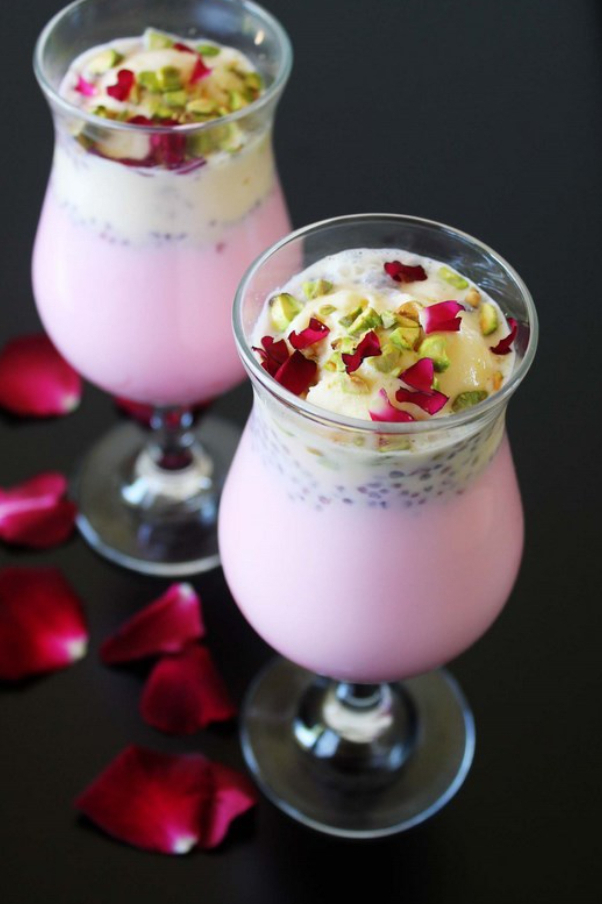
In the bustling heart of Mumbai, a city known for its vibrant chaos and rich tapestry of flavors, lies a dessert with a fascinating history—Falooda. This delightful concoction is more than just a sweet treat; it is a testament to the cultural fusion that has defined India for centuries. Originating as an adaptation of a Persian dessert, Falooda was brought to India by the Mughals, who ruled much of the Indian subcontinent from the early 16th to the 19th century. The Mughals, known for their opulence and love of art, architecture, and gastronomy, introduced this delicacy as part of their culinary legacy, which continues to enchant palates today.
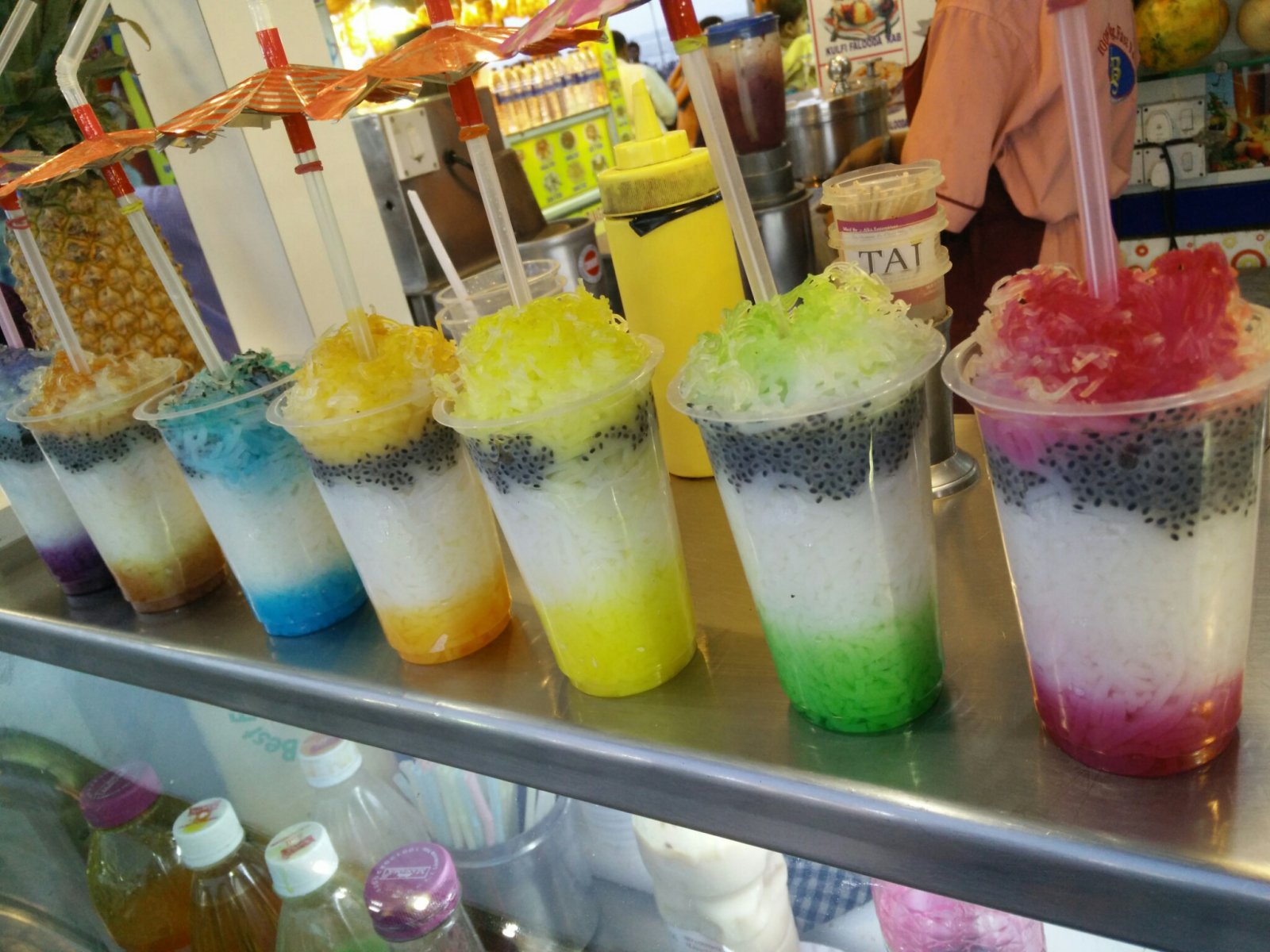
The origins of Falooda can be traced back to Faloodeh, an ancient Persian dessert believed to have been enjoyed since 400 BCE. Faloodeh was traditionally made with vermicelli, rose water, and sugar, often served as a cooling refreshment in the arid regions of Persia. When the Mughals brought this dessert to India, they adapted it to suit local tastes and ingredients, adding milk, almonds, pistachios, and the distinctive sabza seeds, which are the seeds of the sweet basil plant. The addition of ice cream, a modern twist, further enriched its appeal, making it a staple in the Indian dessert landscape.
Beyond its culinary allure, Mumbai's streets tell stories through their architecture and art, reflecting a blend of diverse influences. The city is a melting pot of Gothic, Victorian, Art Deco, and Indo-Saracenic styles, seen in landmarks like the Chhatrapati Shivaji Maharaj Terminus and the Gateway of India. While Falooda doesn't have a direct connection to these architectural marvels, the dessert is often enjoyed in the shadow of such historic sites, offering sweet respite after a day of exploration.
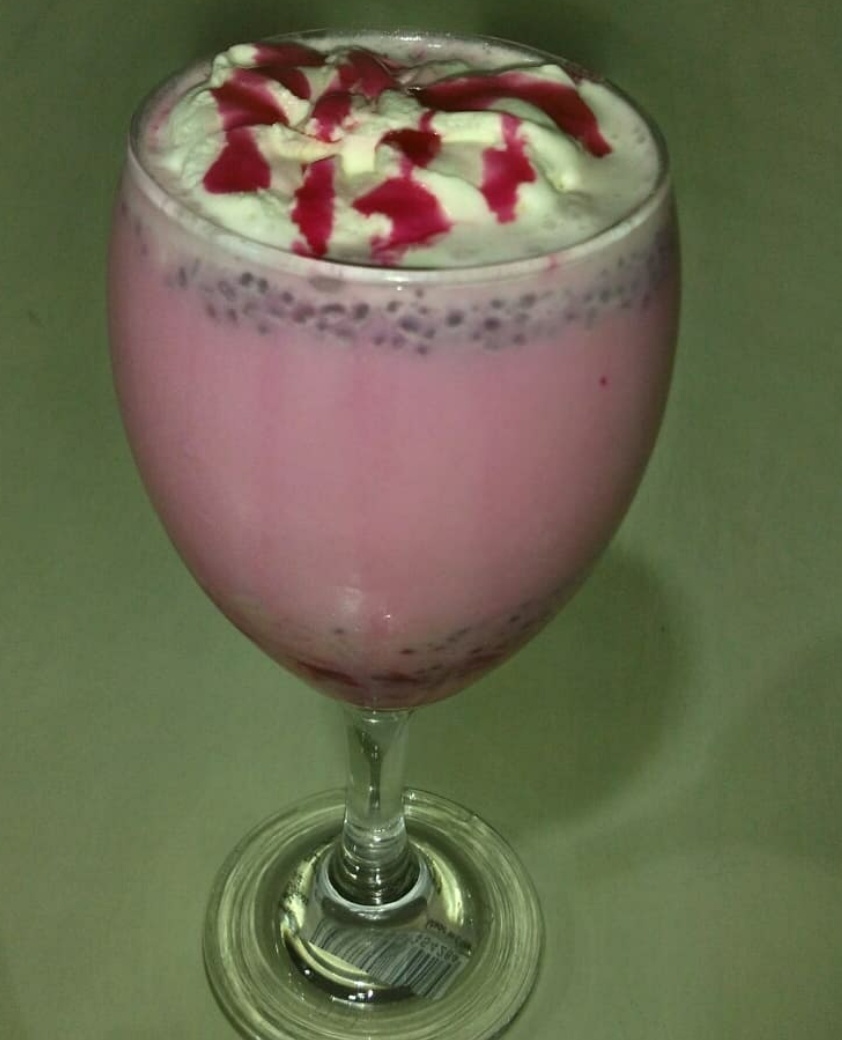
The cultural tapestry of Mumbai is as intricate as its architecture. The city's traditions are punctuated by vibrant festivals like Ganesh Chaturthi and Diwali, where food plays a central role. During these times, Falooda becomes a popular indulgence, celebrated for its refreshing qualities amidst the tropical heat. It's not uncommon to see families gathered around street vendors, savoring this dessert while sharing stories and laughter.
When it comes to gastronomy, Mumbai is a treasure trove of flavors. The city offers a carnival of street food, from spicy Vada Pav to tangy Bhel Puri. However, Falooda holds a special place as a symbol of the Mughal influence on Indian cuisine. Its ingredients—vermicelli, milk, nuts, rose syrup, and sabza seeds—create a symphony of textures and tastes that dance on the palate. It's a dessert that not only quenches thirst but also captures the essence of Mumbai's diverse culinary heritage.
For those seeking lesser-known curiosities about Falooda, its preparation offers intriguing insights. The sabza seeds, when soaked, form a gelatinous coating, providing a unique texture that contrasts with the creamy ice cream. This is not just a culinary trick but a centuries-old technique used to add refreshing properties to dishes in hot climates. Furthermore, each Falooda vendor in Mumbai has their secret recipe, often passed down through generations, ensuring that no two servings are exactly alike.
Practical advice for visitors eager to experience Falooda is simple: the best time to visit Mumbai is during the cooler months from November to February, when the city's humidity is at bay, and outdoor exploration is more comfortable. To find the best Falooda, head to iconic eateries like Badshah or Haji Ali Juice Center, where the dessert is crafted with the same care and tradition that has defined it for centuries. Look out for the vibrant pink of the rose syrup, a signature of quality and authenticity.
In conclusion, Falooda is more than a dessert; it is a journey through time, flavors, and cultures. It encapsulates the essence of Mumbai—dynamic, diverse, and deliciously inviting. Whether you are a history buff, a food enthusiast, or just someone with a sweet tooth, a taste of Falooda in Mumbai is an experience not to be missed.
