
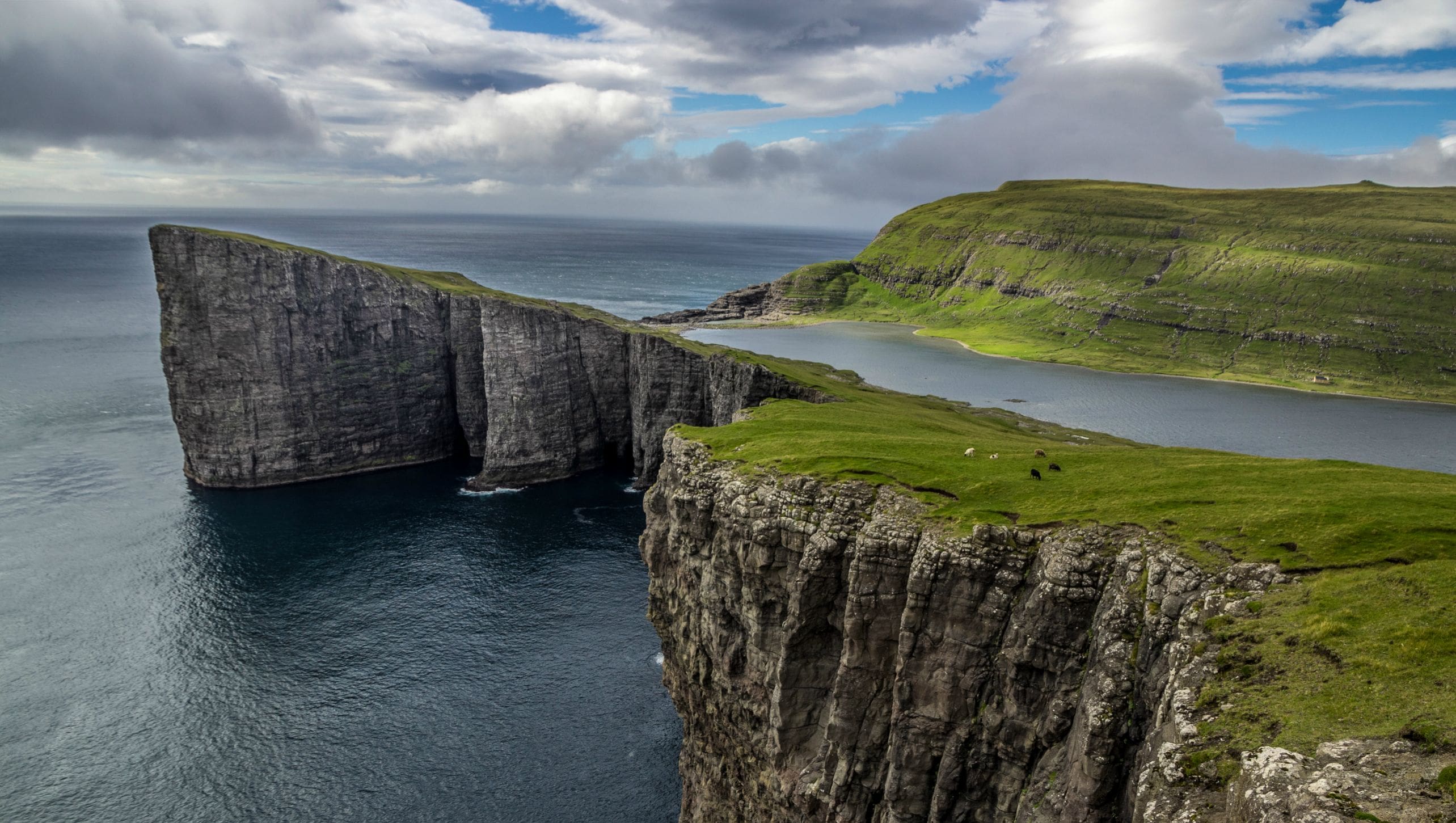

The Faroe Islands, a windswept archipelago nestled between Iceland and Norway, are a hidden gem in the North Atlantic, offering breathtaking landscapes and a rich cultural tapestry. Among its natural wonders, Lake Sørvágsvatn stands out not only as the largest lake in the Faroes but also as a marvel of optical illusion and geographical intrigue, situated on the island of Vágar.
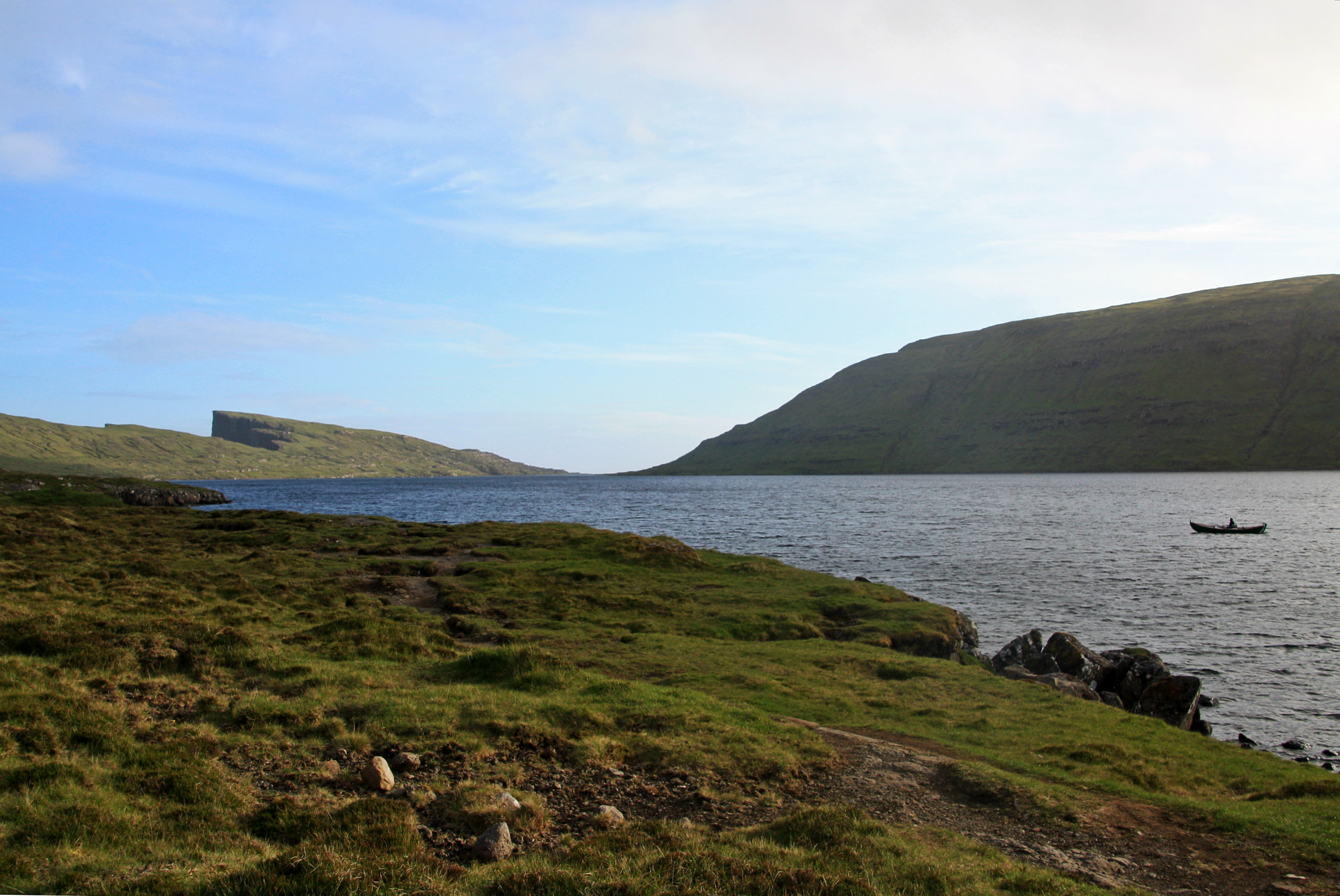
Historically, the Faroe Islands have been inhabited since around the year 800 AD, with Norse settlers believed to be the first to arrive. However, earlier Irish monks might have visited these islands even before the Norse, drawn by the isolation and rugged beauty. Lake Sørvágsvatn, also known as Leitisvatn, gets its name from the nearby village of Sørvágur. The lake has long been part of the everyday life of the islanders, serving as a crucial resource for fishing and other sustenance activities. Over the centuries, the lake has witnessed the evolution of a community shaped by the sea and the sky.
The artistic elements associated with Lake Sørvágsvatn and its surroundings are deeply linked to the landscape itself. The dramatic cliffs and serene waters have inspired numerous Faroe Islands artists, including the renowned painter Sámal Joensen-Mikines. His works capture the unique interplay of light and shadow that defines the islands' aesthetic. While there are no grand architectural monuments along the lake's shores, the traditional Faroese houses with their grass roofs blend seamlessly with the environment, an architectural style born from necessity and respect for nature.
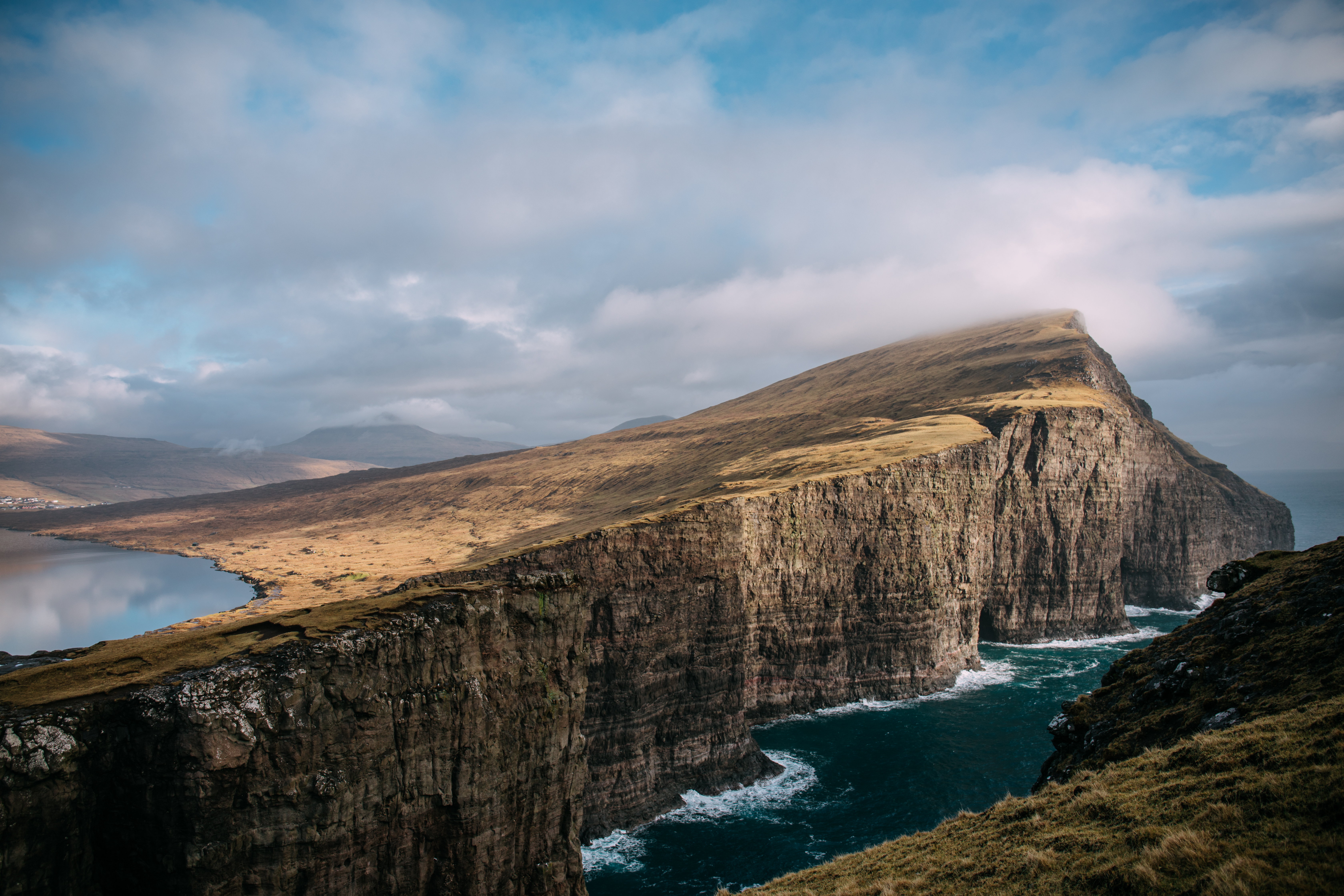
Culturally, the Faroe Islands are rich in traditions passed down through generations. The locals, known for their hospitality, celebrate numerous festivals that highlight their Norse heritage and maritime history. One of the most significant is Ólavsøka, a national celebration held in July that features rowing competitions, music, and traditional chain dancing. Although the festivities are centered in Tórshavn, the spirit of the celebration is felt across the islands, including the communities around Lake Sørvágsvatn.
The gastronomy of the Faroe Islands offers a taste of the sea and land working in harmony. Traditional Faroese dishes often include seafood, lamb, and root vegetables. Ræst kjøt, a form of fermented lamb, and grindadráp, a controversial but historically significant practice involving pilot whale meat, reflect the islanders' reliance on the ocean. Alongside these are hearty stews and soups, perfect for the brisk, coastal climate. Visitors to the area can also enjoy fresh fish caught from the lake itself, offering a true farm-to-table experience.
One of the lesser-known curiosities about Lake Sørvágsvatn is its famous optical illusion. When viewed from a specific angle near Trælanípan, the lake appears to hover above the ocean, a surreal sight that baffles the mind and seems to defy gravity. This phenomenon is a favorite subject for photographers seeking to capture the enigmatic beauty of the Faroes. Another intriguing fact is the local legend that the lake was created by a giant who dug it out with his bare hands, a tale reflecting the mythic quality often attributed to the islands' landscapes.
For those planning a visit to Lake Sørvágsvatn, the best time is during the late spring and summer months, from May to August, when the days are long and the weather is milder. Hiking is the ideal way to explore the area, with trails leading to the spectacular viewpoint at Trælanípan. Hikers should wear sturdy boots and be prepared for sudden changes in weather, a common occurrence in the Faroes. Don't miss the chance to engage with the locals, who are eager to share stories and insights about their homeland.
In conclusion, Lake Sørvágsvatn is not just a geographical feature but a window into the heart of the Faroe Islands. Its serene waters, cultural significance, and natural wonders offer a unique glimpse into a world where tradition and nature are inextricably linked, inviting travelers to experience the raw beauty and cultural richness of this remote archipelago.


