
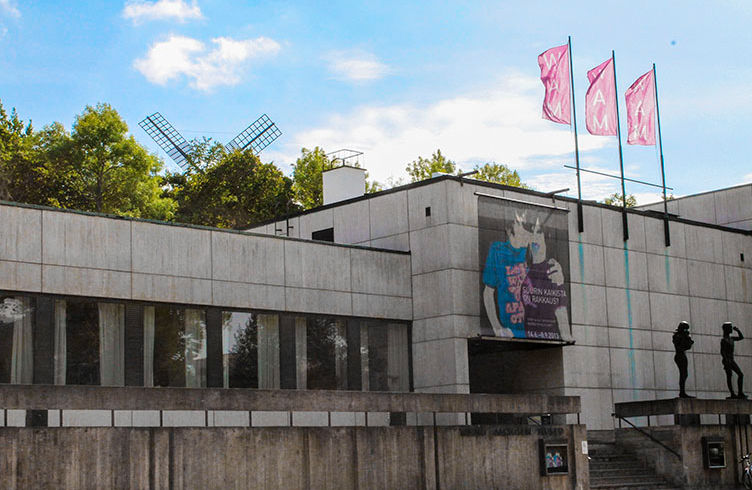

Nestled along the picturesque Aura River in Turku, Finland, the Wäinö Aaltonen Museum of Art beckons visitors with its blend of cultural richness and modernist charm. A tribute to one of Finland’s most celebrated sculptors, this museum offers a profound exploration of art, history, and local tradition in the heart of the country’s oldest city.
Founded in 1967, the museum was established to honor Wäinö Aaltonen, a native of Turku and a pivotal figure in Finnish art. Aaltonen's work, which prominently features sculptures that capture the essence of Finnish identity and mythology, was instrumental in shaping the nation’s cultural landscape during the early 20th century. His legacy is preserved here, offering glimpses into Finland's artistic evolution post-independence in 1917.
The museum itself is an architectural marvel, designed by the architectural firm Irma and Reima Pietilä. Completed in 1967, its structure reflects the modernist movement, with a design that emphasizes organic forms and natural materials. The building's flowing lines and open spaces create an inviting environment for the artworks within. Visitors will find themselves captivated by the interplay of light and shadow across the museum’s surfaces, a deliberate feature of the Pietiläs' approach to architecture.
Inside, the museum houses a diverse collection of Aaltonen’s sculptures, including his iconic works such as "The Flying Finns" and "Paavo Nurmi," which pay homage to Finland's sporting legends. In addition to Aaltonen's masterpieces, the museum hosts rotating exhibitions that spotlight both Finnish and international contemporary art. These exhibits ensure a dynamic cultural experience, with new and experimental projects frequently gracing the walls.
Turku, the oldest city in Finland, is a hub of local customs and traditions, deeply rooted in its history and annual festivals. The museum plays a vital role in these cultural celebrations, particularly during the Turku Day and the Medieval Market, when the city comes alive with historical reenactments and local crafts. Visitors can immerse themselves in these traditions, gaining a deeper understanding of Finnish culture both past and present.
No visit to Turku would be complete without indulging in its gastronomic offerings. The city boasts a rich culinary scene, with flavors that reflect its coastal heritage. Local specialties include salmon soup (lohikeitto), a creamy and comforting dish, and rye bread (ruisleipä), a staple of Finnish cuisine. For those with a sweet tooth, Turku offers pulla, a cardamom-spiced bun that pairs perfectly with a cup of Finnish coffee, a treat often enjoyed in the museum's café.
Beyond its exhibitions and culinary delights, the Wäinö Aaltonen Museum holds lesser-known curiosities. Many visitors might not be aware that the museum's location along the Aura River is not merely scenic but also historically significant. The river has been a vital artery for trade and culture, shaping Turku's development over the centuries. As you stroll through its serene halls, consider the river's silent witness to history.
For those planning a visit, the best time to explore the museum is during the spring and early summer months, when the surrounding landscape bursts into bloom, providing a beautiful backdrop to the architectural elegance of the museum. To make the most of your visit, check the museum's calendar for special events or workshops that coincide with your trip. These events offer unique insights and hands-on experiences that enrich an understanding of the art and its cultural context.
The Wäinö Aaltonen Museum is more than just a repository of art; it is a vibrant cultural institution that reflects the spirit of Turku and Finland. Whether you're an art aficionado or a curious traveler, the museum promises an engaging journey through the creative and cultural heart of Finland.


