
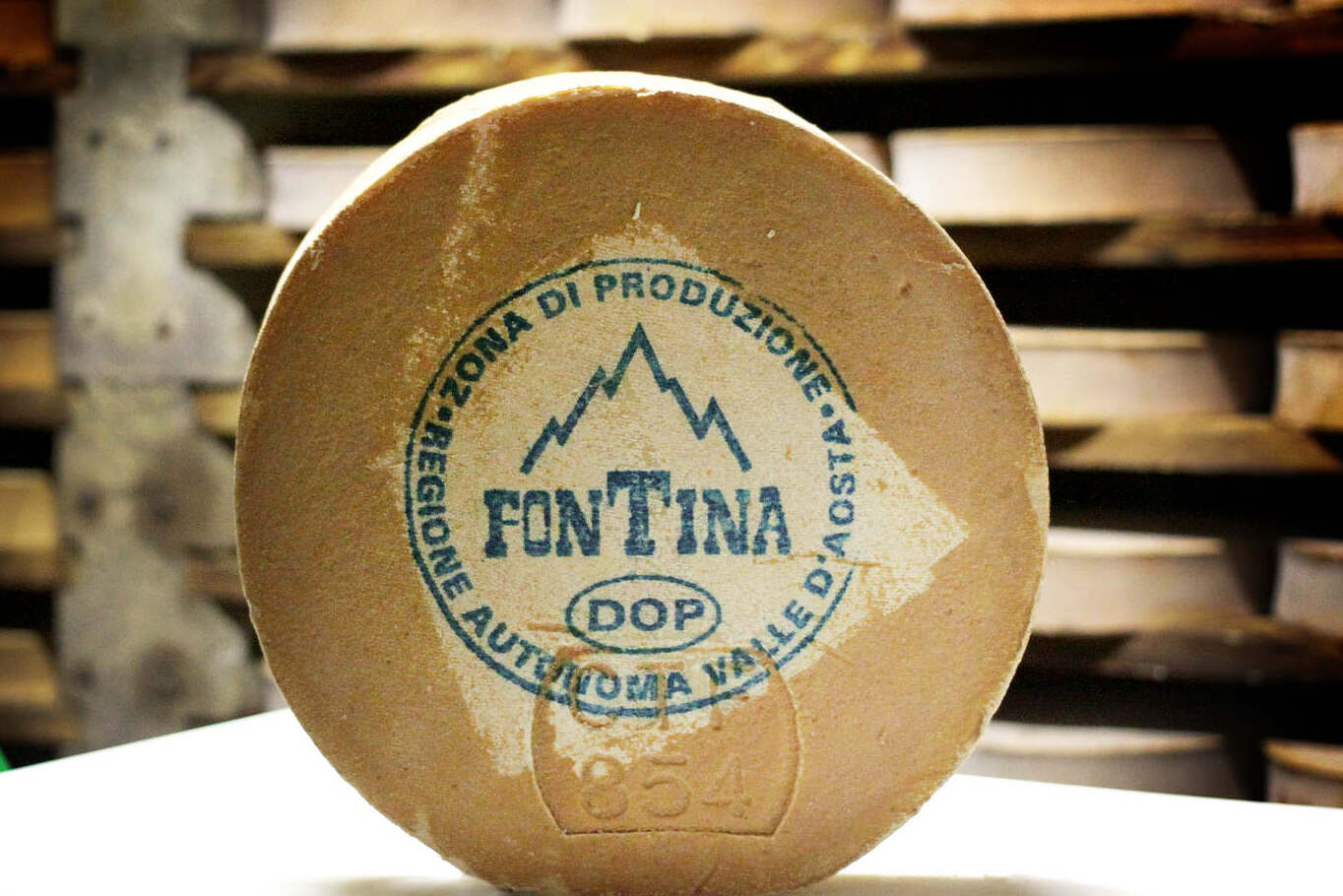

Nestled in the picturesque Valpelline valley, the Fontina Museum serves as both a tribute and a gateway to one of Italy's most celebrated cheeses. This enchanting region, located in the Aosta Valley, is not just a feast for the palate but a rich tapestry of history, culture, and tradition, all centered around the production of Fontina cheese.
History and Origins
The origins of Fontina cheese date back to the 12th century, when it was first produced by the monks of the Val di Aosta. The cheese was initially crafted from the milk of Valdostana cows, a breed native to this alpine region. Over the centuries, Fontina has played a crucial role in the local economy and culture, becoming a symbol of Aosta Valley identity. In 1954, Fontina was granted the status of Protected Designation of Origin (PDO), a recognition that guarantees its quality and authenticity.
The Fontina Museum, inaugurated in 2003 by the local Cooperative, was established to preserve and share the rich history of this iconic cheese. The museum offers an immersive journey through time, showcasing the evolution of Fontina production, from its ancient roots to contemporary practices. Visitors can explore the museum's three sections, which highlight the cheese's history, the unique territory of the Aosta Valley, and the intricate process of transforming milk into the velvety Fontina we savor today.
Art and Architecture
The architectural design of the Fontina Museum reflects the charm of the Aosta Valley's alpine style, harmoniously blending modern elements with traditional aesthetics. The building features locally sourced materials, ensuring it resonates with the surrounding landscape. Inside, the museum presents a carefully curated collection of artifacts, photographs, and interactive displays that narrate the story of Fontina.
One of the most striking aspects of the museum is its use of multimedia. Visitors can enjoy video presentations that vividly illustrate the cheese-making process and the cultural significance of Fontina in the region. This combination of architecture and art creates a welcoming atmosphere that invites exploration and learning.
Local Culture and Traditions
The culture of Valpelline is deeply intertwined with its agricultural practices, particularly cheese-making. Traditional customs surrounding Fontina are celebrated during various local festivals, such as the Fête de la Fontina, typically held in the summer months. This lively event showcases local cheese producers, offering tastings, cooking demonstrations, and cultural performances that highlight the region’s rich heritage.
During the winter, the community gathers for the Festa della Montagna, celebrating the bond between locals and the breathtaking alpine landscape. Such events not only promote Fontina but also reinforce the strong sense of community that characterizes Valpelline.
Gastronomy
Fontina cheese is a culinary cornerstone of the Aosta Valley, known for its rich, nutty flavor and creamy texture. It is often used in traditional dishes such as Fonduta, a delectable cheese fondue made with Fontina, eggs, and milk, and served with crusty bread. Another local favorite is Polenta con Fontina, a hearty dish that pairs creamy polenta with melted Fontina, creating a comforting meal perfect for chilly alpine evenings.
In addition to cheese, Valpelline is also famous for its local wines, particularly Fumin and Petit Rouge, which complement the flavors of Fontina beautifully. Visitors can experience these gastronomic delights at local trattorias and restaurants, where chefs creatively incorporate Fontina into their seasonal menus.
Lesser-Known Curiosities
While many visitors flock to the museum for its educational displays, few know that Fontina cheese has a unique aging process that takes place in the Valpelline warehouse. Here, each wheel of cheese is meticulously cared for, with cheesemakers monitoring humidity and temperature to ensure optimal ripeness. This hands-on approach is a labor of love that reflects the region’s dedication to quality.
Another interesting fact is that Fontina cheese was historically used as a form of currency in trade, particularly during the Middle Ages. This practice highlights the cheese's importance in the local economy and its value to the community.
Practical Visitor Information
For those planning a visit to the Fontina Museum, the best time to experience Valpelline is during the summer and early autumn months, when the landscape is adorned with lush greenery, and the local festivals are in full swing. The museum is open year-round, but checking the schedule for special events or guided tours can enhance your experience.
When visiting, be sure to take a guided tour of the warehouse, where you can witness the meticulous care involved in the cheese aging process. Don't forget to sample various dishes featuring Fontina at nearby eateries, as this is an essential part of the Valpelline experience.
With its rich history, stunning architecture, and deep-rooted traditions, the Fontina Museum is a must-visit for anyone looking to delve into the culinary heart of the Aosta Valley. Whether you are a cheese aficionado or a curious traveler, a stop here will leave you with a deeper appreciation for this legendary cheese and the vibrant culture that surrounds it.
For a tailored experience in Valpelline, consider using the Secret World app to plan your personalized itinerary.


