
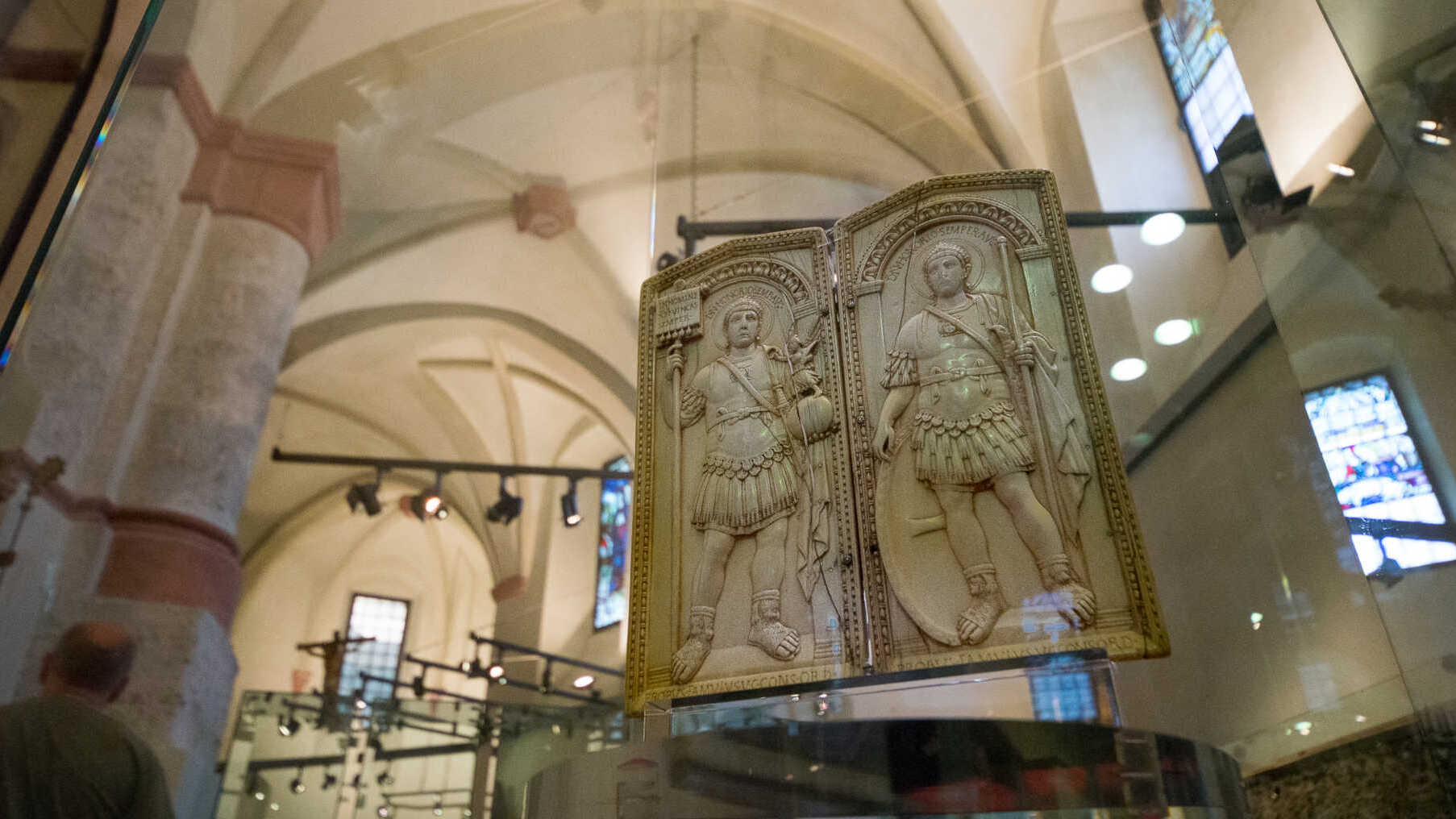

Nestled within the hallowed walls of the Cathedral of Santa Maria Assunta in Aosta, Italy, the Museum of the Cathedral Treasury is a hidden gem that offers a glimpse into the rich tapestry of Valdostan art from the 13th to the 18th centuries. This museum is not just a repository of artifacts; it is a narrative woven through time, showcasing the profound artistic and cultural heritage of the Aosta Valley.
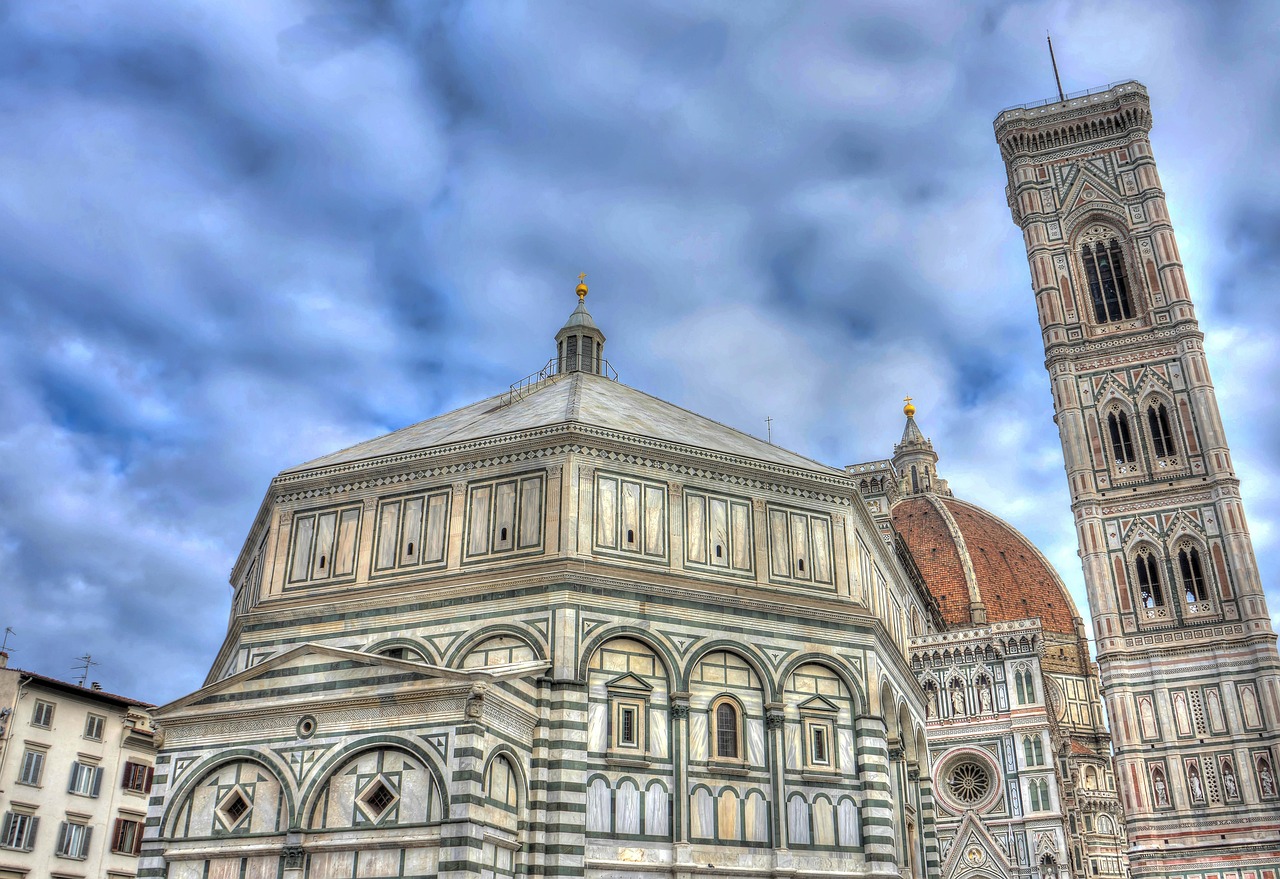
The origins of the Cathedral date back to the 4th century, making it one of the oldest religious sites in the region. The current structure, completed in 1180, reflects a blend of Romanesque and Gothic architectural styles, with its formidable façade and impressive bell tower standing sentinel over the valley. Throughout the centuries, the Cathedral has undergone various renovations, particularly after suffering damage in the 19th century, which only added to its historical significance. The museum itself was established to preserve and exhibit the Cathedral’s rich treasure, which includes artifacts from various parishes across the valley, thus highlighting the interconnectedness of faith and artistry in this region.
Inside the museum, visitors are greeted by an impressive array of artworks, each telling stories of devotion and craftsmanship. Among the most notable is a Roman-era cameo encased in a gold frame, adorned with exquisite stones and pearls from the 13th century. This piece, originally fashioned as a cope clasp, illustrates the fusion of pagan artistry with Christian symbolism. Equally striking is the consular diptych of Honorius, a rare artifact that serves as a testament to the late Roman art tradition, reflecting the transition between the ancient and medieval worlds.
The museum is particularly renowned for its collection of Gothic sculptures. One of the highlights is the intricately carved antependium, dating back to the 13th-14th centuries, which showcases the skill and aesthetic sensibilities of medieval artisans. The collection of goldsmiths' art is equally impressive, featuring French Limousin pieces alongside stunning silver reliquary busts, meticulously engraved and adorned with crystals and precious stones. Not to be missed is the reliquary case of San Grato, initially crafted by Guglielmo di Locana and later completed by the Flemish artist Jean de Malines. This masterpiece not only represents the artistic collaboration between regions but also signifies the importance of relics in the Catholic faith.
Aside from its artistic treasures, the museum also houses a collection of marble sepulchral sculptures, crafted by the Valdostan artist Stefano Mossettaz in the 15th century. These sculptures are significant not only for their artistic merit but also for the insight they provide into the funerary customs and beliefs of the time. Each piece reflects a unique blend of local tradition and broader artistic movements, making it an essential stop for anyone interested in the evolution of art in the region.
Local culture in Aosta is deeply intertwined with its historical roots. Festivals such as the Fête de la Saint-Grat celebrate the city’s patron saint, with processions and traditional music echoing through the streets. The Sagra di San Martino, held in November, showcases local wines and cheeses, emphasizing the region’s agricultural heritage. These events not only draw locals but also invite travelers to partake in the communal spirit that defines Aosta.
When it comes to gastronomy, Aosta offers a delightful array of traditional dishes that reflect its alpine heritage. Fontina cheese, known for its rich flavor and melting qualities, is a staple ingredient in many local specialties, including polenta and fondue. The region is also famous for its cured meats, particularly Lardo di Arnad, a delicacy enjoyed by locals and visitors alike. A visit to Aosta would be incomplete without sampling the robust local wines, particularly those produced from the Domaine de la Romanée-Conti, which pair beautifully with the region's hearty fare.
For those looking to delve deeper, the Museum of the Cathedral Treasury offers several lesser-known curiosities. For instance, the antependium is not just a stunning piece of art but also a functional object that served to enhance the liturgical experience. Additionally, the museum often hosts temporary exhibitions that feature modern interpretations of historical themes, bridging the past with contemporary artistry.
Planning your visit to the museum is best done in the spring or fall when the weather is pleasant, and tourist crowds are thinner. The museum is typically open from Tuesday to Sunday, with extended hours during peak seasons. Don't forget to take your time exploring the intricate details of each piece and consider joining a guided tour for a richer narrative experience.
As you explore the treasures within the Museum of the Cathedral Treasury, you will find a captivating blend of history, art, and local culture that invites reflection and admiration. To enhance your journey through Aosta’s rich landscape, consider using the Secret World app to craft a personalized itinerary tailored to your interests.


