
← Back

Fountain of the Lions

C. Real de la Alhambra, s/n, 18009 Granada, Spagna ★★★★☆ 531 views
Cristina Gregoracci
Granada
🏆 AI Trip Planner 2026

Get the free app

Discover the best of Granada with Secret World — the AI trip planner with 1M+ destinations. Get personalized itineraries, hidden gems and local tips. Free on iOS & Android.

🧠 AI Itineraries 🎒 Trip Toolkit 🎮 KnowWhere Game 🎧 Audio Guides 📹 Videos
Download on the App Store Get it on Google Play
Scan to download Scan to download
Fountain of the Lions - Granada | Secret World Trip Planner

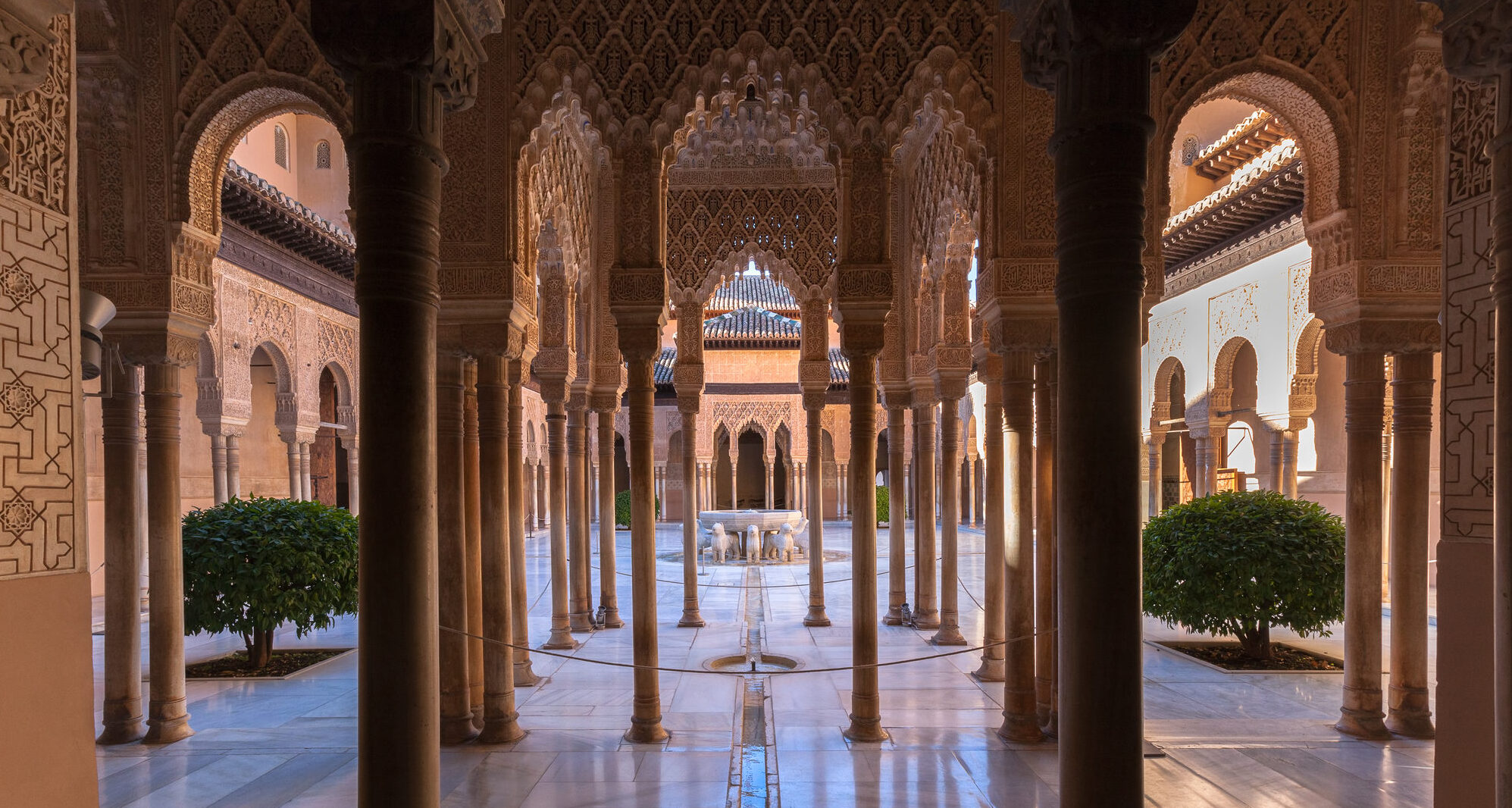
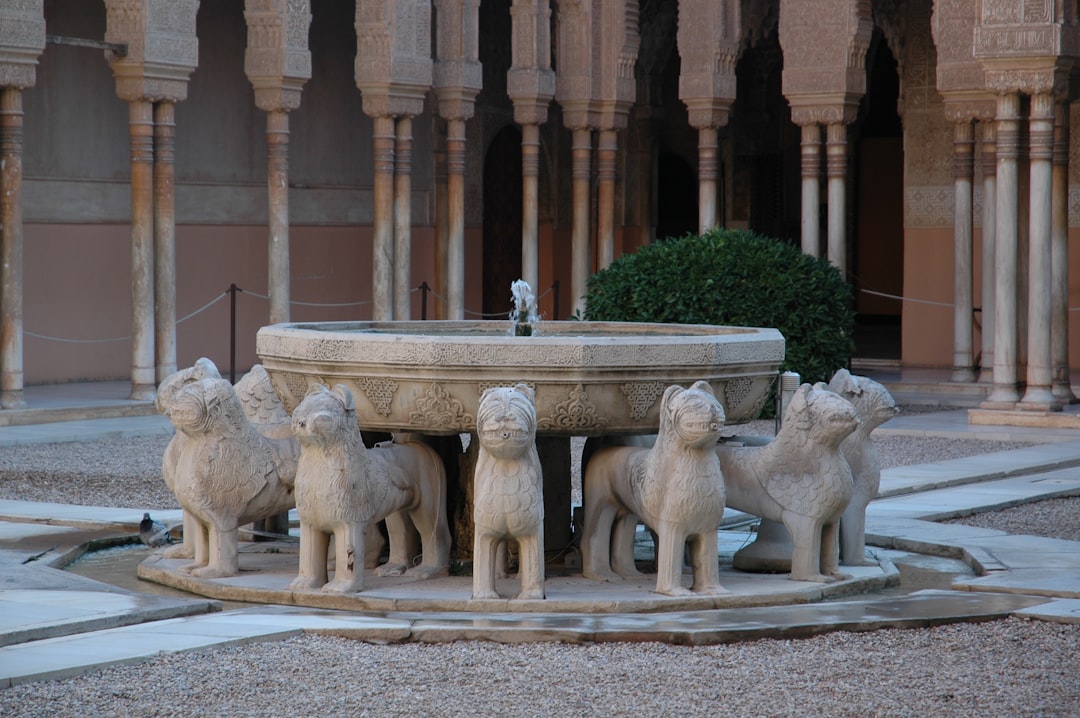
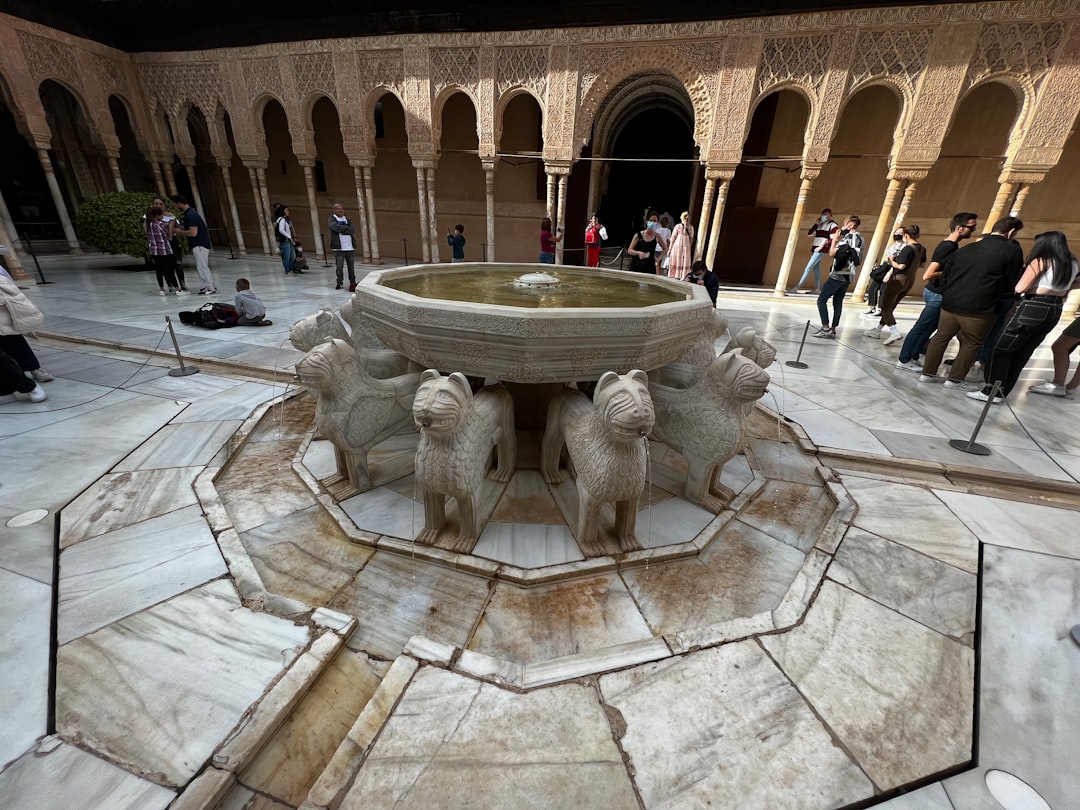
The Palace of the Lions was the architectural pinnacle of the Alhambra. Its celebrated fountain was a symbol of its decorative richness and an example of the complex water system. In addition to its symbolic function the fountain also had a practical purpose. The complex water system allowed the water to flow out in the form of a shallow surface. The central cylindrical unit of the fountain basin allowed the water to flow in and out thus preventing it from spilling out of the fountain. On a small scale, the Fountain of the Lions represents the entire technical concept behind the creation of the Alhambra, a structural conception rooted in human and constructive experiences developed creatively over many centuries. Muhammad V was responsible for the construction of the beautiful palace during his second mandate, between 1362 and 1391, his first mandate having only lasted five years. During his mandate the Nasrid Sultanate reached its pinnacle: the Palace of the Lions was a synthesis of the finest Moorish artistic styles developed over the years. The architectural pattern of the Palace of the Lions was similar to that of the Palace of Comares, although with the traditional design of the Spanish-Moorish houses, i.e. a central open air courtyard as the centre of family life was flanked by a number of polyvalent rooms consisting of a ground floor and at least one upper floor or loft. The Court had a cross ground floor design with a central fountain, following the same pattern as other earlier and later constructions used in Muslin Spain and elsewhere. The proportional and visual perfection of the surrounding arched gallery supported by columns converted this Court into one of the most celebrated and admired of architectural structures.
Fountain of the Lions - Granada | Secret World Trip Planner
🗺 AI Trip Planner

Plan your visit to Granada

Suggested itinerary near Fountain of the Lions

MAJ+
500.000+ travelers worldwide
  1. 🌅
    Morning
    Fountain of the Lions
    📍 Granada
  2. ☀️
    Afternoon
    The Alcazaba, a fortress part of the Alhambra
    📍 0.3 km da Granada
  3. 🌆
    Evening
    Alhambra Palace Hotel: An Architectural Dream in Granada
    📍 0.3 km da Granada

Buy Unique Travel Experiences

Powered by Viator

See more on Viator.com

Explore nearby · Granada

Frequently Asked Questions

The Fountain of the Lions was built by Muhammad V during his second mandate between 1362 and 1391 as part of the Palace of the Lions at the Alhambra. During this period, the Nasrid Sultanate reached its pinnacle, and the palace became a synthesis of the finest Moorish artistic styles developed over centuries.
The fountain featured a complex water system with a central cylindrical basin unit that allowed water to flow in and out while preventing it from spilling over. The water flowed out in shallow surfaces across the fountain, demonstrating advanced engineering that represented the entire technical concept behind the Alhambra's creation.
The fountain served as both a symbolic representation of the palace's decorative richness and a practical water management system, showcasing creative engineering developed over many centuries. On a small scale, it represents the entire structural conception and human ingenuity behind the Alhambra's design.
The Court has a cross ground floor design with the celebrated fountain at its center, surrounded by polyvalent rooms with ground floors and at least one upper floor. The proportional and visual perfection of the surrounding arched gallery supported by columns makes it one of the most celebrated architectural structures, following traditional Spanish-Moorish house design with a central open-air courtyard.
The Palace of the Lions follows a similar architectural pattern to the Palace of Comares but represents the architectural pinnacle of the entire Alhambra. Its design demonstrates the traditional Spanish-Moorish approach with a central open-air courtyard flanked by multiple rooms, achieving a level of decorative richness and technical sophistication unmatched in the complex.