
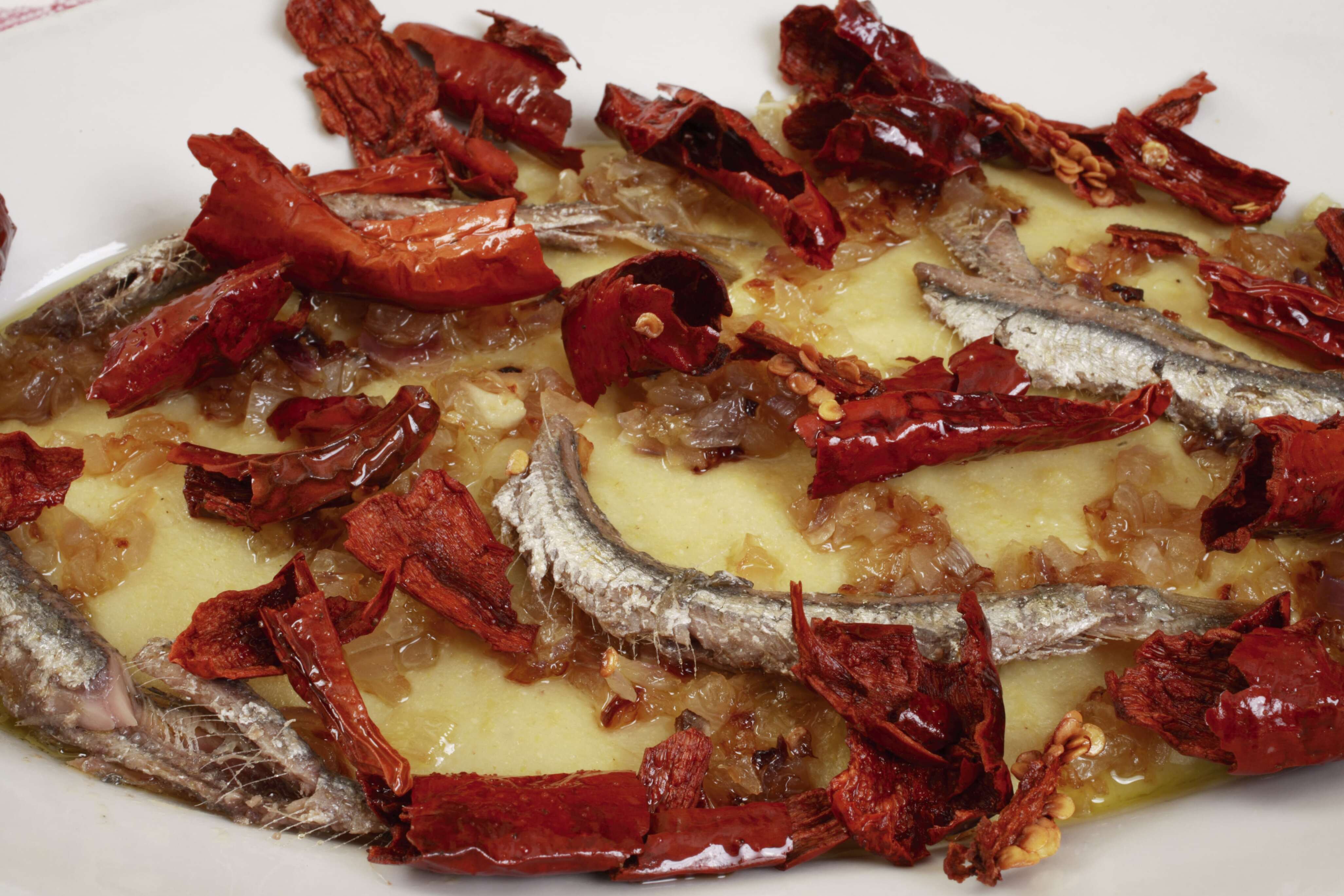

Nestled in the heart of Pescara, a culinary gem awaits food enthusiasts: Fracchiata chickling and grass-pea polenta. This dish is not just a meal; it is a rich tapestry of history, culture, and tradition, showcasing the essence of Abruzzo's gastronomic heritage.
History and Origins
The roots of fracchiata can be traced back to the late seventeenth century, a time when cucina povera, or “poor man’s cooking,” flourished in the Italian countryside. In a region where resources were scarce, locals relied on what the land provided. The name fracchiata itself derives from the Latin verb *frangere*, meaning to pound or grind, reflecting the traditional methods used to prepare this dish.
Historically, the dish is a testament to the resourcefulness of the people of Teramo and parts of Pescara, particularly in the Fino Valley. The use of grass-peas (Lathyrus sativus) flour is especially significant, as it was a staple during hard times. However, this ingredient is becoming increasingly rare due to agricultural shifts and soil conditions, putting the dish at risk of fading into obscurity.
Art and Architecture
While the dish itself is an art form, the surrounding architecture of Pescara enhances the culinary experience. The city boasts a mix of modern and historic styles, with remnants of its ancient Roman past visible in structures such as the Ponte del Mare and the Basilica of Saint Cetteo. These sites not only serve as stunning backdrops for your meal but also tell the story of a city shaped by various cultures over centuries.
Additionally, the region is home to vibrant murals and street art that celebrate local culinary traditions, including fracchiata. As you stroll through the streets, you may encounter artistic representations of this dish, immortalizing its place in the hearts of the locals.
Local Culture and Traditions
In Pescara, food is an integral part of the local culture. Festivals celebrating traditional dishes abound, with the Sagra della Polenta being a highlight. Held in late summer, this festival showcases local polenta variations, including the beloved fracchiata, drawing food lovers from near and far.
Local customs surrounding meal preparation often include family gatherings, where generations come together to share recipes and stories. Preparing fracchiata is not merely about cooking; it is a ritual that connects families to their ancestors and to the land.
Gastronomy
The gastronomic landscape of Pescara is rich and diverse, and fracchiata is a prime example. This dish is typically made with 750g of chickpea and grass-pea flour, along with anchovies and dried sweet peppers. The preparation involves skillfully combining these ingredients, creating a unique flavor profile that reflects the region’s agricultural bounty.
In addition to fracchiata, the local cuisine features other delights, such as arrosticini (skewered lamb), spaghetti alla chitarra, and pecorino cheese. Accompanying these dishes, you can find robust Abruzzese wines, such as Montepulciano d’Abruzzo, which pair beautifully with the rustic flavors of the region.
Lesser-known Curiosities
Despite its rich history, fracchiata remains relatively unknown outside of Abruzzo. One surprising fact is that the dish was once a vital source of protein for local farmers, especially during the lean winter months. The grass-pea flour, while nutritious, can be toxic if consumed in large quantities, a fact that adds an intriguing layer to its storied past.
Another hidden gem is the tradition of cooking fracchiata over an open fire, a practice that not only enhances its flavor but also brings communities together. This method is often used during local celebrations, where families gather to cook and share this beloved dish.
Practical Visitor Information
If you’re eager to savor fracchiata, the best time to visit Pescara is during the late summer months, particularly around the Sagra della Polenta. This festival is not just a feast for the senses but an immersive experience into the local culture.
To fully appreciate this dish, consider seeking out local trattorias or family-run establishments where the recipe is passed down through generations. Engaging with locals will enrich your understanding of fracchiata and its significance in the region.
When planning your visit, don’t forget to explore beyond the plate. Take time to wander the picturesque streets, visit local markets, and enjoy the stunning coastal views of the Adriatic Sea.
As you embark on a culinary adventure in Pescara, the flavors of fracchiata await to tantalize your taste buds and connect you to the heart of Abruzzo. For a tailored experience in this enchanting city, consider using the Secret World app to plan your personalized itinerary.


