


Nestled in the picturesque hills of Cava de' Tirreni, the Franciscan Sanctuary of St. Francis and St. Anthony stands as a testament to faith and resilience. Dating back to the early 16th century, this sanctuary has undergone a fascinating journey through history, from its founding to its reconstruction after the devastating 1980 Irpinia earthquake.
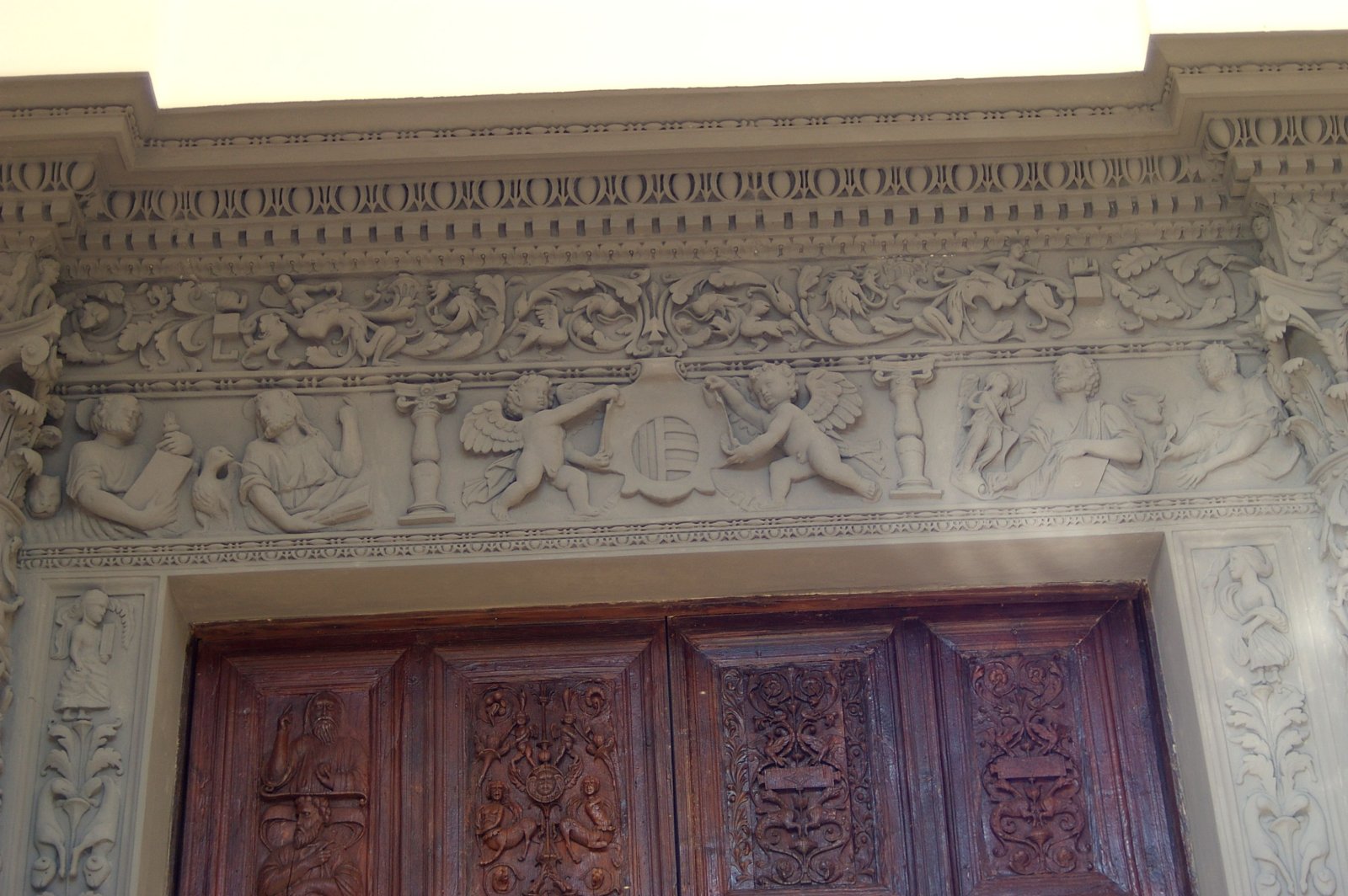
The origins of the sanctuary are intertwined with the legacy of Saint Francis of Assisi and Saint Anthony of Padua, two revered figures in the Franciscan tradition. Founded around 1500, the sanctuary was initially a humble chapel, attracting pilgrims who sought solace and spiritual guidance. Over the centuries, it has transformed into a significant pilgrimage site, drawing visitors from near and far.
The sanctuary's architecture is a beautiful blend of Gothic and Renaissance styles, characterized by its harmonious lines and serene atmosphere. The recent reconstruction, which honors the original design, features three distinct levels, each offering a unique perspective on the sanctity of the space. Notably, the Friars Minor convent adjacent to the church houses a prestigious library, a monumental crib, and a reception center known as the Pilgrim's House.

One of the sanctuary's most striking features is the botafumeiro, the largest censer in the world, reminiscent of the famed one in Santiago de Compostela. Weighing in at a remarkable 10 kg of coal and 3 kg of incense, this impressive piece is launched every 13th of the month and during special occasions like Christmas and Easter, enveloping the sanctuary in a fragrant cloud of incense and spiritual energy.
Local culture thrives in Cava de' Tirreni, where the sanctuary plays a central role in community life. Traditional festivals, particularly those celebrating the saints, are vibrant and lively, featuring processions, music, and local cuisine. One such event is the Feast of St. Anthony, where local residents come together to honor their patron saint, showcasing their deep-rooted traditions and sense of community.
Speaking of community, the food culture in Cava de' Tirreni is rich and varied, with local delicacies that reflect the region's agricultural bounty. Don't miss the opportunity to savor gattò di patate, a savory potato pie often served during festivities. Pair it with a glass of Falanghina, a crisp white wine that perfectly complements the flavors of the region.
As you wander through the sanctuary and its surroundings, you may come across lesser-known curiosities that make this place truly unique. For instance, the monumental crib housed within the convent features intricate figures and scenes that depict the Nativity, crafted by local artisans. This artistic representation not only highlights the craftsmanship of the region but also serves as a focal point during the Christmas season, drawing visitors eager to witness the beauty of this tradition.
For those planning a visit, the best time to explore the Franciscan Sanctuary of St. Francis and St. Anthony is during the spring and fall months, when the weather is mild and the surrounding landscape is in full bloom. Be sure to take your time in the sanctuary, allowing the tranquility of the space to wash over you. Look for the stunning frescoes and the serene atmosphere that envelops the church, providing a counterpoint to the bustling life of the nearby town.
As you explore this hidden gem in Italy, consider taking a moment to interact with the local friars or participate in one of the guided tours that delve deeper into the sanctuary's history and significance.
Visiting the Franciscan Sanctuary of St. Francis and St. Anthony not only offers a glimpse into religious devotion but also immerses you in the rich tapestry of local culture and tradition. To ensure you make the most of your experience, consider using the Secret World app to plan a personalized AI itinerary for your visit to Cava de' Tirreni.


