
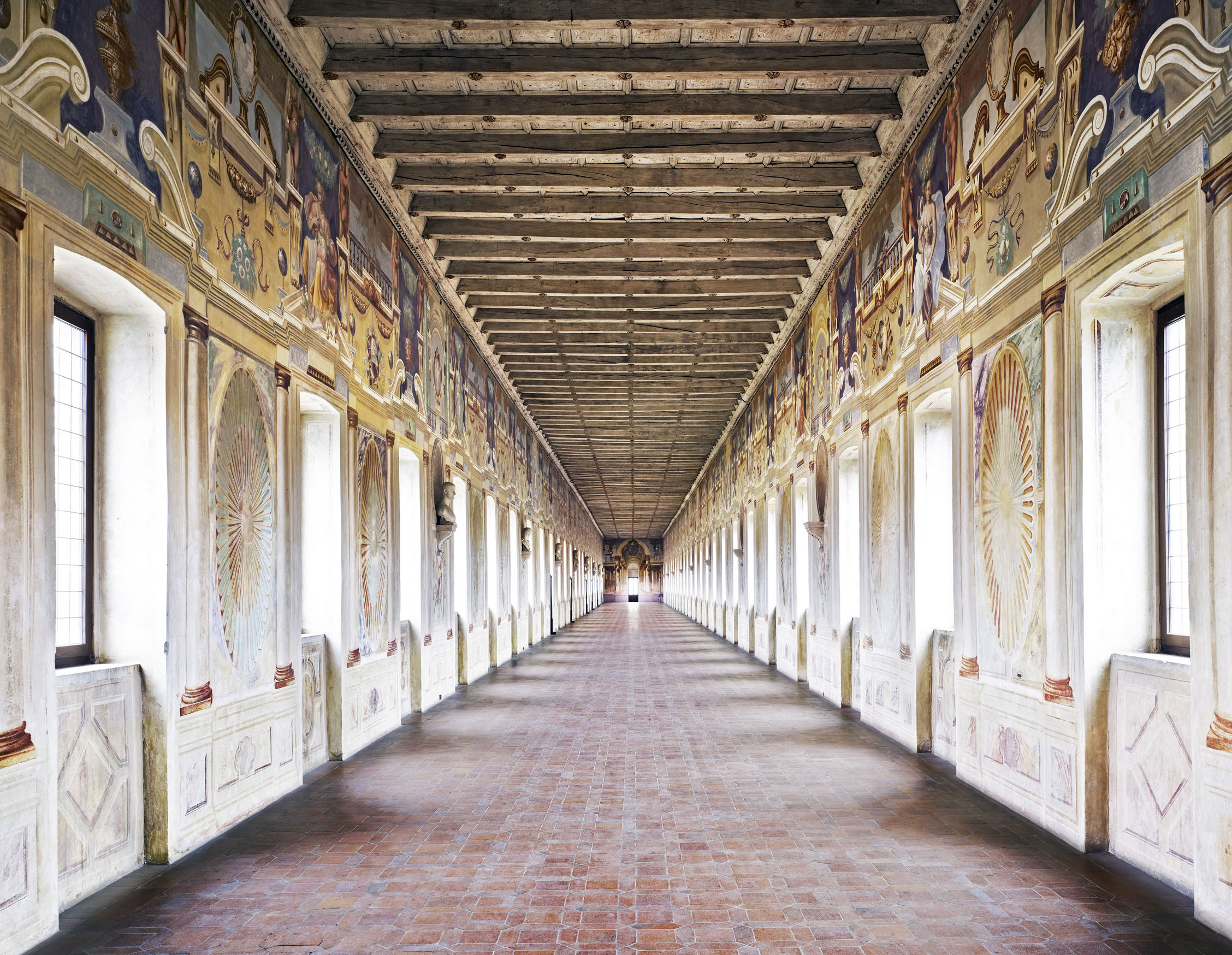

Nestled in the heart of Sabbioneta, the Gallery of the Ancients (Galleria degli Antichi) stands as a testament to the vision of Vespasiano Gonzaga. This remarkable corridor, built along the Ducal Palace, is not only a repository of art but also a reflection of the cultural renaissance that flourished in the late 16th century. The gallery was commissioned by Vespasiano to house his impressive collection of ancient artifacts and artworks, a passion that mirrored the burgeoning interest in classical antiquity during the Italian Renaissance.
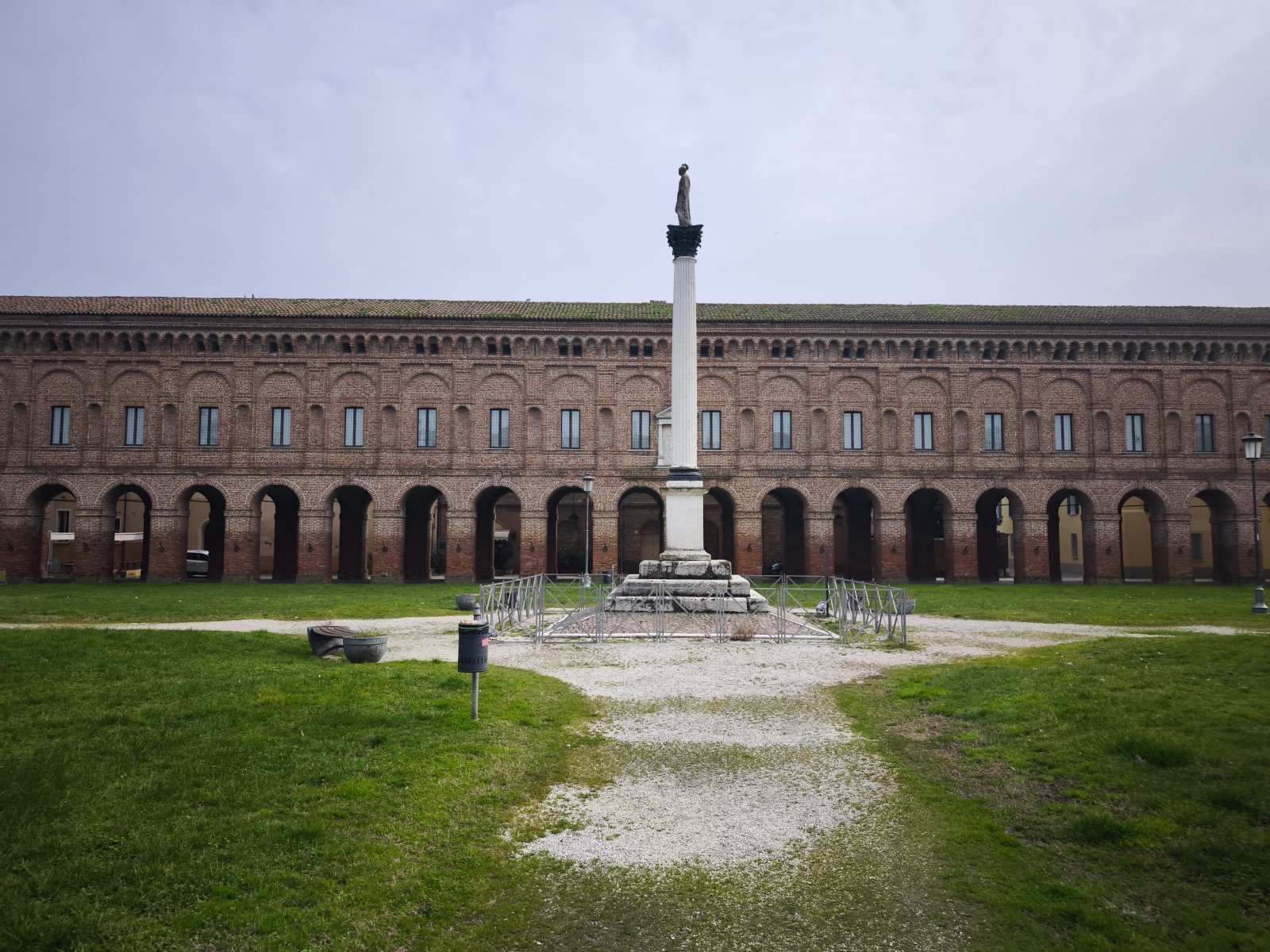
The Gallery of the Ancients was designed to be a grand passageway, known as the Corridor Grande. It seamlessly connects to the Palazzo Giardino, offering visitors a glimpse into the luxurious lifestyle of the Gonzaga family. The architectural style is characterized by elegant symmetry and classical proportions, typical of late Renaissance design. The intricate frescoes adorning the walls are the work of the Alberti brothers, Giovanni and Alessandro, who infused the space with allegorical figures and vibrant scenes that celebrate both mythology and history.
Among the most striking features of the gallery are its frescoes, which depict a rich tapestry of narratives from ancient Rome and Greece. The Alberti brothers employed a technique known as quadratura, creating an illusion of depth and architectural grandeur that captivates visitors. The gallery is adorned with mythological motifs, such as depictions of Apollo and the Muses, which serve not only as decoration but also as a reflection of the intellectual aspirations of the time.

In addition to its artistic allure, the Gallery of the Ancients serves as a cultural bastion for the town of Sabbioneta. The town itself, a UNESCO World Heritage Site, is a living canvas of Renaissance ideals and urban planning. Local customs and traditions are deeply intertwined with its artistic heritage. The Festa di San Rocco, celebrated every August, showcases local devotion and community spirit, often featuring processions and traditional music that echo the past.
When visiting Sabbioneta, one cannot overlook the local gastronomy that adds flavor to the cultural experience. The region is known for its tortelli di zucca (pumpkin tortelli), a delightful pasta dish that reflects the agricultural bounty of the area. Pair this with a glass of Lambrusco, a sparkling red wine that has been produced in the vicinity for centuries, and you have a taste of the local heritage. For dessert, indulge in sbrisolona, a crumbly almond cake that has become a staple in local festivities.
While the Gallery of the Ancients is undoubtedly a highlight, there are lesser-known curiosities that enhance the visitor experience. For instance, the gallery houses an intriguing collection of Roman statues, some of which are replicas of original pieces. This practice was quite common during the Renaissance, as it allowed patrons like Vespasiano to curate their collections without the ethical dilemmas of removing artifacts from their original contexts. Additionally, the subtle use of optical illusions in the frescoes demonstrates the innovative spirit of the time, inviting viewers to engage with the art in a dynamic way.
The best time to visit Sabbioneta and the Gallery of the Ancients is during the spring and early autumn months when the weather is mild and conducive for exploration. Be sure to take your time as you wander through the corridor, allowing the art to transport you to a different era. Visitors should also look for the hidden details in the frescoes—each brushstroke tells a story, and many symbols are imbued with deeper meanings that reflect the era's philosophical and cultural context.
As you plan your visit to this magnificent gallery, consider using the Secret World app, which can help you craft a personalized itinerary that unveils the treasures of Sabbioneta and beyond.
The Gallery of the Ancients is more than just a collection of art; it is a journey through time, an invitation to explore the legacy of a visionary duke and a celebration of the cultural tapestry of Italy.


