
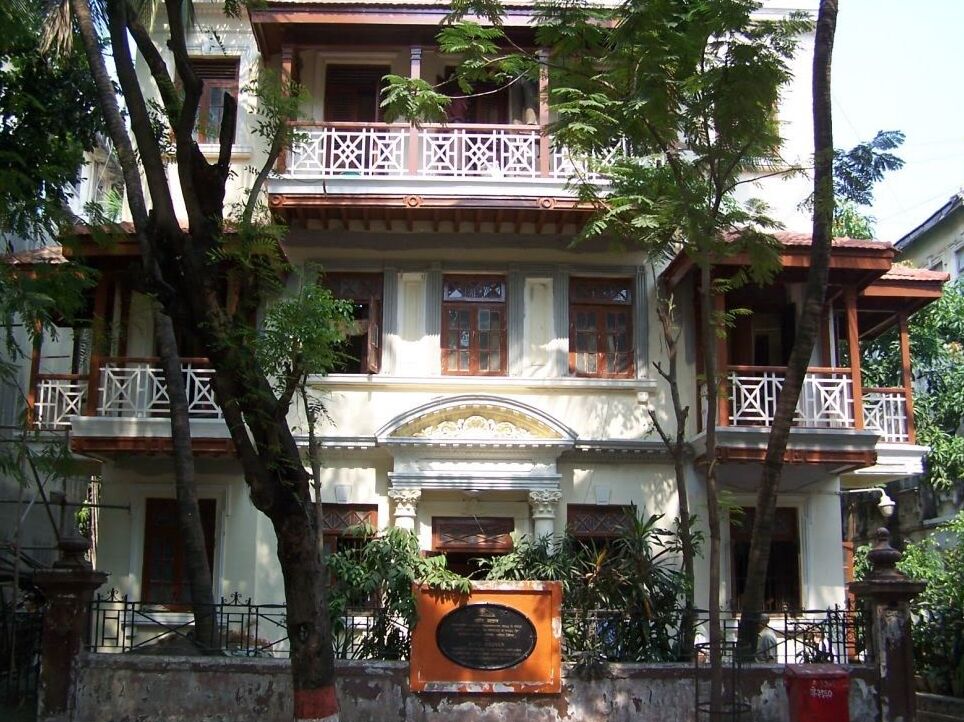

Nestled in the bustling heart of Mumbai, the Mani Bhavan stands as a poignant testament to India's struggle for independence. This modest two-story building, once the residence of one of Mahatma Gandhi's close friends, Shri Revashankar Jhaveri, became a pivotal hub for Gandhi during his frequent visits to the city in the early 20th century. Here, amidst the vibrant chaos of modern Mumbai, echoes of history reverberate, reminding visitors of the resilience and determination that characterized a nation on the brink of freedom.
The Mani Bhavan was established in 1917, serving as Gandhi's base in Mumbai until the late 1930s. It was here that he conceptualized the strategy of Satyagraha, a philosophy of nonviolent resistance that would become a cornerstone of India's independence movement. The building also witnessed significant events, including Gandhi's arrest on January 4, 1932, a moment that underscored the government's crackdown on the freedom struggle. Designated a memorial in 1955, Mani Bhavan is now a museum where visitors can immerse themselves in the rich tapestry of India's fight for sovereignty.
Architecturally, the Mani Bhavan reflects a blend of traditional Indian and colonial styles, characteristic of early 20th-century Mumbai. The building features distinctive wooden frames, intricate lattice work, and spacious verandas that invite the warm sea breeze. The interiors are adorned with photographs, letters, and artifacts that chronicle Gandhi's life and the broader independence movement. Notably, the Sangrahalaya (museum) houses rare documents, including a collection of Gandhi's writings and personal effects, providing a profound insight into his thoughts and ideals.

In addition to its historical significance, the Mani Bhavan is a microcosm of local culture and traditions. Visitors can observe the daily life of Mumbai's residents, who are often engaged in traditional practices such as prayer rituals at nearby temples and bustling street markets. Festivals like Gandhi Jayanti, celebrated on October 2nd each year, draw crowds who come to honor Gandhi’s legacy, reinforcing the cultural importance of this site. Local customs, such as the offering of prasad at temples, reflect the deeply rooted spiritual life of the city's inhabitants.
No visit to Mumbai is complete without indulging in its culinary delights, and the vicinity of Mani Bhavan offers a plethora of local flavors. Just a short walk from the memorial, you can find stalls serving vada pav, a spicy potato fritter nestled in a soft bun, and pav bhaji, a delectable vegetable mash served with buttered bread. For a sweet treat, try modak, a traditional Maharashtrian dessert made of rice flour and filled with coconut and jaggery. These local dishes provide a sensory experience that complements the historical journey at Mani Bhavan.
The Mani Bhavan is replete with lesser-known curiosities that enrich its narrative. For instance, the building served as a meeting point for prominent leaders and thinkers of the time, including Jawaharlal Nehru and Sardar Vallabhbhai Patel, who strategized their movements toward independence within its walls. Additionally, the room where Gandhi slept is preserved as it was, complete with a simple cot and his personal belongings, serving as a powerful reminder of his austere lifestyle. Many visitors overlook the serene garden at the back, a peaceful retreat that was often frequented by Gandhi for contemplation and reflection.
For those looking to explore the Mani Bhavan, the best time to visit is during the cooler months from October to February, when the weather is pleasant for walking and touring. It's advisable to arrive early in the day to avoid crowds, allowing for a more intimate experience with the exhibits. Pay special attention to the meticulously curated displays in the Sangrahalaya, as they contain invaluable insights into Gandhi's philosophy and the broader context of India's freedom struggle.
In conclusion, the Mani Bhavan is more than just a museum; it is a living memorial that invites visitors to connect with the ideals of peace, resilience, and social justice championed by Gandhi. As you wander through its halls and gardens, take a moment to reflect on the sacrifices made for independence and the journey that led to the creation of modern India.
For a personalized journey through Mumbai's rich history, consider using the Secret World app to craft your unique itinerary.


