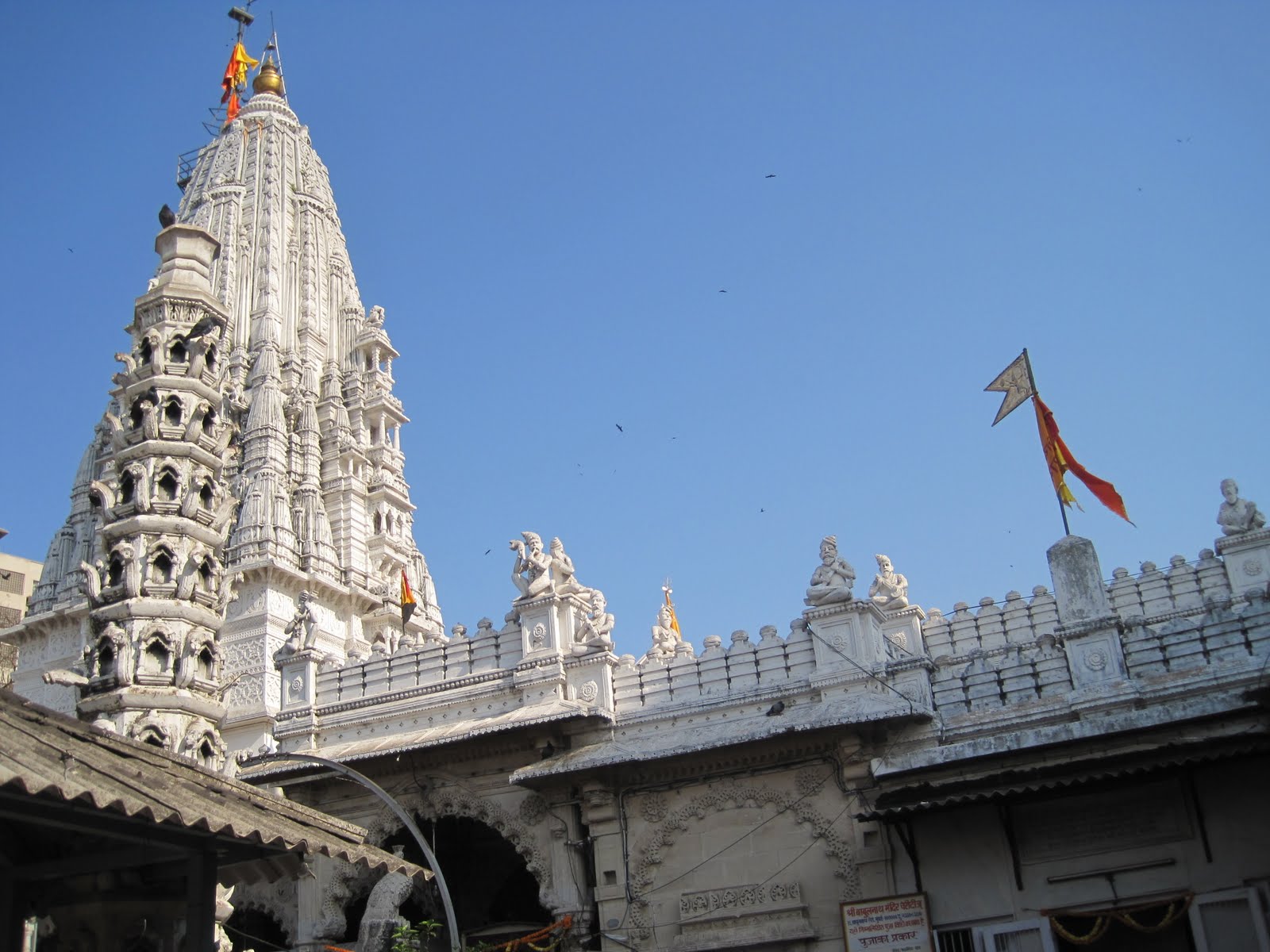


Nestled in the bustling heart of Mumbai, the Babulnath Temple stands as a testament to the city's rich spiritual heritage and architectural marvels. Dedicated to the Hindu deity Shiva, this ancient temple is not only among the oldest in the city but also a vibrant hub of local devotion. As you approach its sacred grounds, a sense of tranquility envelops you, contrasting sharply with the chaos of urban life.
### History and Origins
The Babulnath Temple traces its roots back to the 12th century, attributed to the local ruler Bhimdev, also known as Bhima. Originally, the temple was a significant site of pilgrimage, revered by devotees of Shiva. However, as centuries passed, the temple fell into neglect, eventually becoming buried beneath the earth, lost to time and urban development.
It wasn't until the 18th century that the temple was rediscovered, igniting a revival of interest in its spiritual and cultural significance. The reconstruction of the temple began in the late 1800s, spearheaded by local residents who recognized its importance. The dedication and efforts of the community ensured that Babulnath once again became a focal point of worship, attracting pilgrims and tourists alike.
### Art and Architecture
The architecture of Babulnath Temple is a splendid representation of Hindu temple design, characterized by intricate carvings and a serene ambiance. The temple's structure showcases a blend of Shikhara style architecture, with a prominent tower that rises majestically against the skyline. Visitors are often captivated by the finely detailed sculptures that adorn the entrance, depicting various deities and mythological scenes.
One of the temple's most notable features is the Shivling—the abstract representation of Shiva—enshrined within the sanctum. This Shivling is crafted from black stone and is adorned with offerings of flowers and milk, a ritual performed by devotees seeking blessings. The artistry doesn't stop at the carvings; the temple's inner sanctum radiates a sense of calm, encouraging visitors to engage in meditation and prayer.
### Local Culture and Traditions
The cultural significance of Babulnath Temple extends beyond its architectural beauty. It is a center for local customs and rituals, with a vibrant atmosphere during festivals. The temple attracts thousands of devotees during Maha Shivaratri, a festival celebrated in honor of Lord Shiva, where nightlong vigils, chanting, and offerings create a euphoric ambiance.
Regular ceremonies, including Aarti—a ritual of worship involving light—are held daily, drawing in locals and tourists who partake in the spiritual experience. The temple is a symbol of unity, where people from diverse backgrounds come together to seek divine blessings, showcasing Mumbai's multicultural tapestry.
### Gastronomy
No visit to Babulnath Temple is complete without indulging in local culinary delights that surround the area. Street food stalls and nearby eateries offer an array of delectable options. Vada Pav, often referred to as Mumbai's beloved burger, is a must-try, featuring a spicy potato fritter nestled in a bun, accompanied by chutneys.
Another local favorite is Pani Puri, a delightful street snack consisting of hollow puris filled with a tangy mixture of tamarind water, chickpeas, and potatoes. For those seeking something sweet, Modak, a traditional sweet dumpling associated with Lord Ganesha, is often available, especially during festival seasons.
### Lesser-Known Curiosities
While many flock to the temple for its spiritual allure, several lesser-known facts make Babulnath Temple even more intriguing. One notable detail is the temple's unique location on a hill, providing a panoramic view of the surrounding area, an uncommon sight in a city known for its sprawling urban landscape.
Additionally, many visitors are unaware that the temple is believed to be one of the few shrines where the Shivling faces south, which holds a special significance in Hindu mythology, as it is thought to bring prosperity and blessings to devotees.
### Practical Visitor Information
The best time to visit Babulnath Temple is during the early morning or late afternoon when the weather is cooler and the temple is less crowded. Weekdays are generally quieter than weekends, allowing for a more intimate experience. Dress modestly when visiting, as it is a place of worship, and be prepared to participate in the local customs, such as removing shoes before entering the temple.
Look out for the daily Aarti ceremonies, which are truly mesmerizing and offer a glimpse into the spiritual life of the temple. The serene sound of bells and chanting creates an atmosphere that is both uplifting and peaceful.
Whether you are a spiritual seeker, a lover of architecture, or simply someone eager to explore the depths of Mumbai's culture, Babulnath Temple promises an enriching experience that resonates long after your visit.
For a personalized itinerary that captures the essence of Mumbai, consider using the Secret World app to plan your journey.