



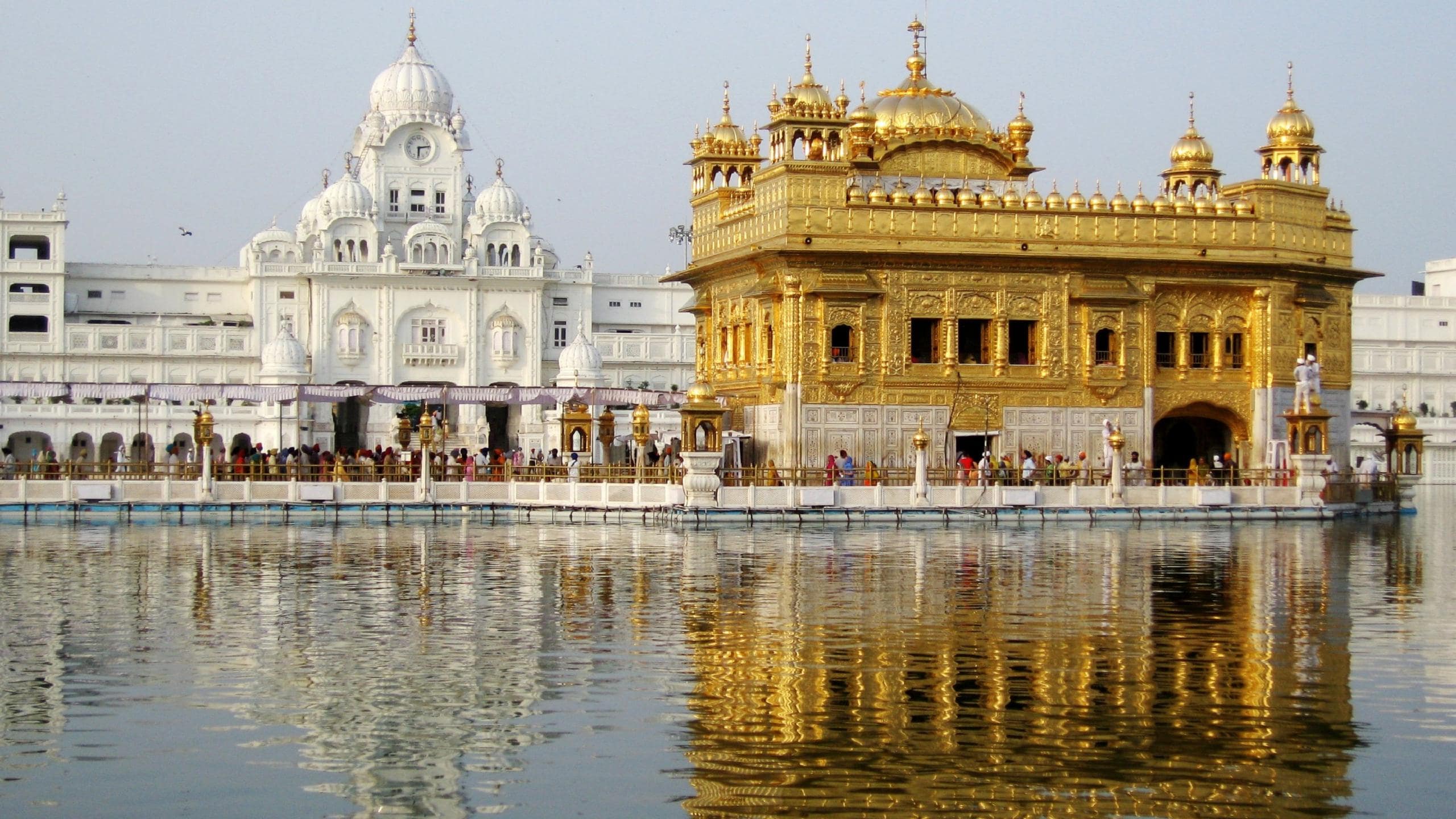
Nestled in the heart of Amritsar, the Golden Temple, also known as Harmandir Sahib, stands as a beacon of spiritual serenity and architectural splendor. This sacred site is not only the most revered gurdwara for Sikhs worldwide but also a testament to India's rich tapestry of history and culture.
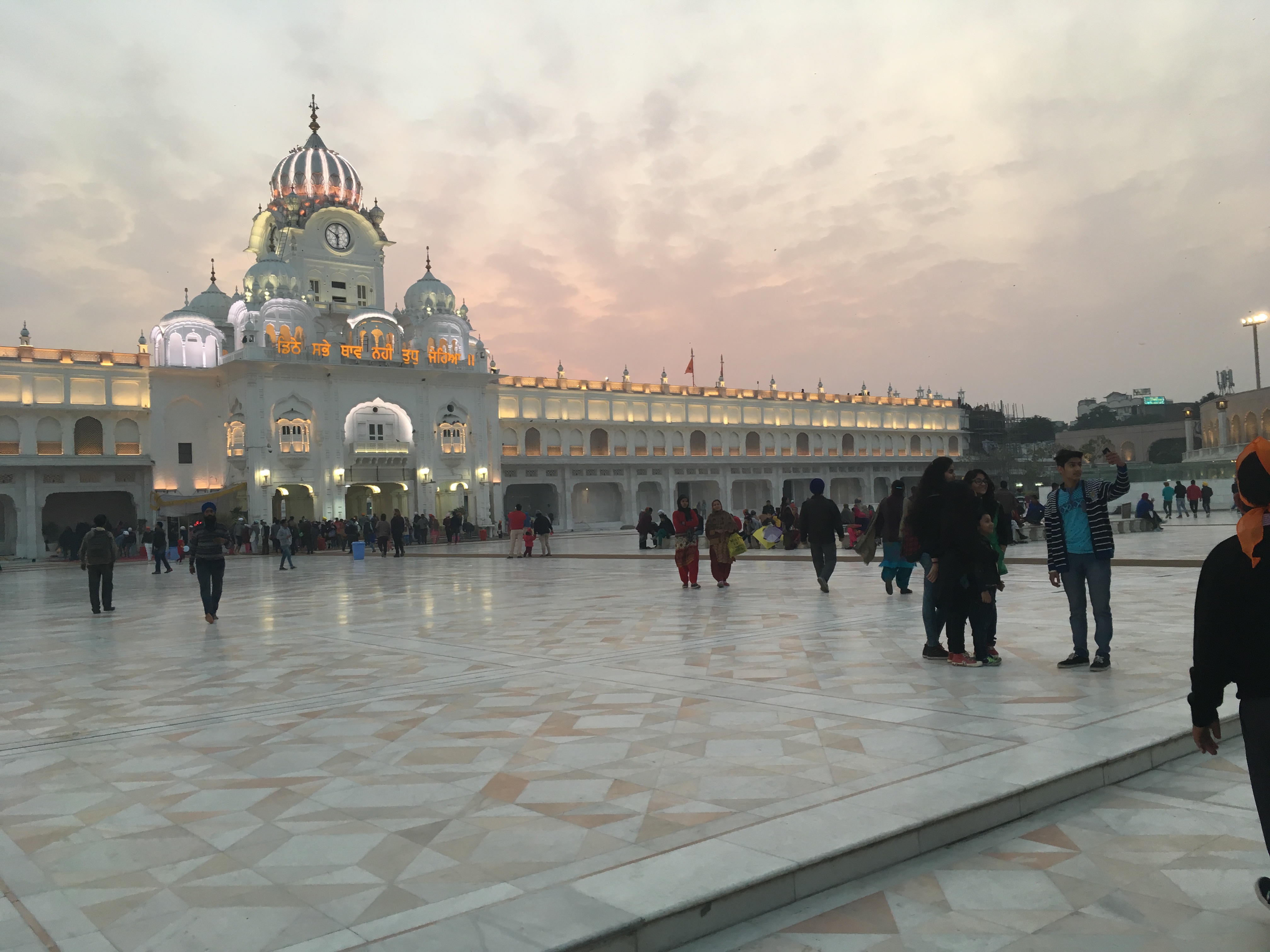
The origins of the Golden Temple date back to the late 16th century. It was founded by Guru Ram Das, the fourth Sikh Guru, who initiated the construction of the temple and the surrounding lake, known as Amrit Sarovar. This initiative was further expanded by his successor, Guru Arjan Dev, who completed the temple's construction in 1604 and installed the Adi Granth, the holy scripture of Sikhism, within its sanctum. The temple has witnessed numerous historical events, including invasions and restorations, most notably the reconstruction led by Maharaja Ranjit Singh in the early 19th century, when he gilded the temple with gold, giving it the iconic appearance it boasts today.
Architecturally, the Golden Temple is a masterpiece that harmoniously blends Mughal and Rajput styles, reflecting the inclusive philosophy of Sikhism. Its shimmering exterior, adorned with gold leaf, and the exquisite marble work are awe-inspiring. The temple is surrounded by an expansive pool of holy water, and its entrance, the Darshani Deori, is intricately designed with inlaid marble and precious stones. Inside, the sanctum is decorated with frescoes, and the walls are inscribed with verses from the Guru Granth Sahib, adding a spiritual aura to its artistic grandeur.
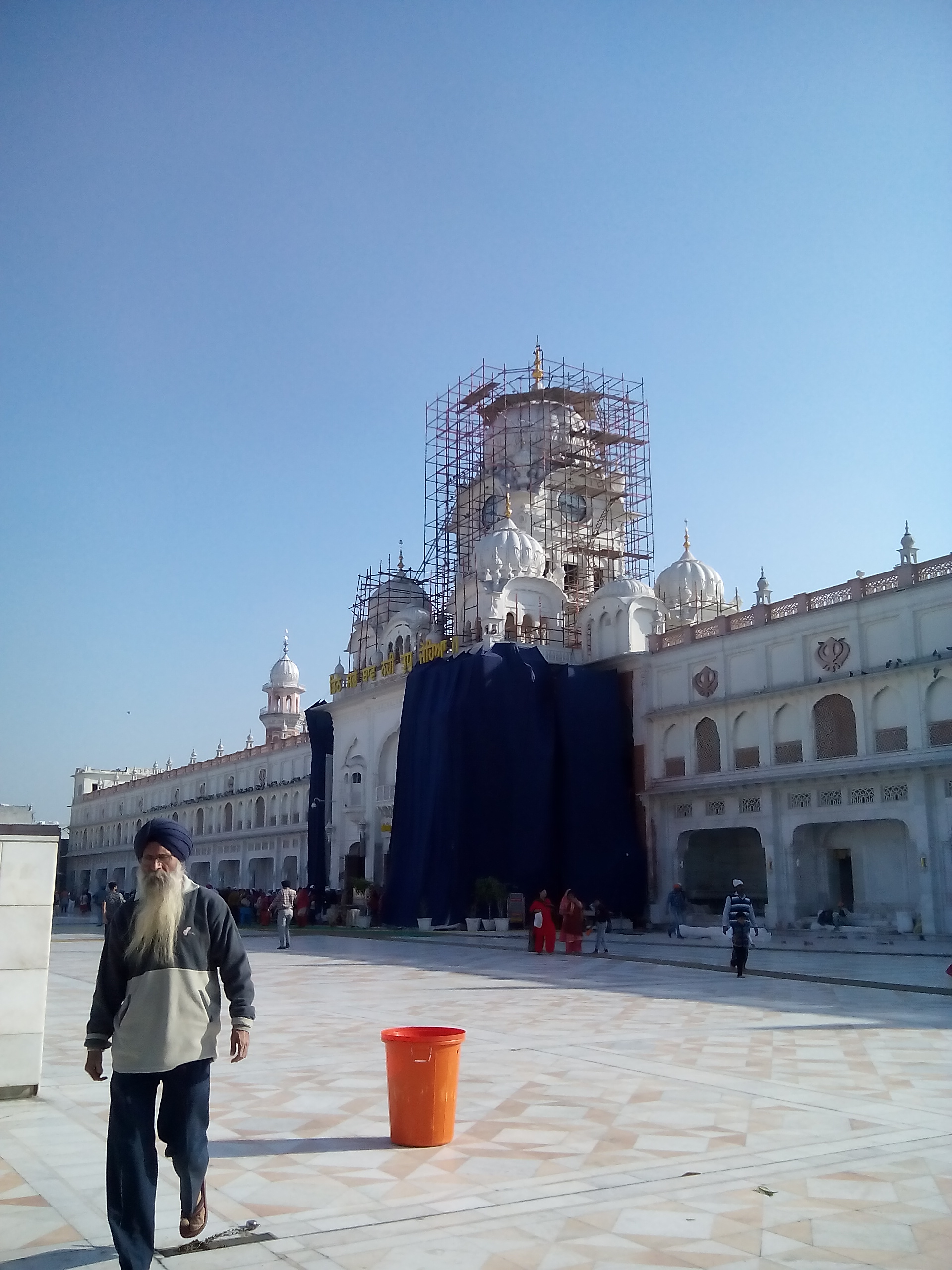
Amritsar's local culture is deeply intertwined with the Golden Temple. The temple is a hub of Sikh traditions and hosts significant festivals like Vaisakhi, commemorating the formation of the Khalsa, and Diwali, marked by a spectacular display of lights. The practice of Langar, where free meals are served to all visitors regardless of their background, underscores the Sikh tenet of community service and equality. This communal kitchen feeds thousands daily, offering simple yet nourishing meals that often include staples like dal (lentils), roti (bread), and kheer (a rice pudding).
The culinary landscape around the Golden Temple extends beyond the langar hall. Amritsar is renowned for its rich Punjabi cuisine, with street food offerings that are a gastronomic delight. Visitors can savor Amritsari kulcha, a stuffed bread typically served with tangy chickpea curry, or enjoy a glass of lassi, a creamy yogurt drink that provides a refreshing antidote to the Punjabi heat.
A lesser-known curiosity about the Golden Temple is its inclusive architecture. Unlike traditional temples that have a single entrance, the Golden Temple has four entrances, symbolizing openness to people of all walks of life. Additionally, the central shrine is situated on a lower level than the surrounding areas, signifying humility and the idea that one must step down to enter the realm of the divine.
For those planning a visit, the best time is during the cooler months from October to March, when the weather is pleasant and the temple's golden façade gleams under the gentle winter sun. To make the most of the experience, visitors should attend the Palki Sahib Ceremony, held every evening and morning, where the Guru Granth Sahib is carried in a palanquin amidst chanting and prayers. It's also advisable to dress modestly, cover your head, and remove shoes to respect the temple's sanctity.
In every corner of the Golden Temple, from its gleaming domes to the tranquil waters of the Amrit Sarovar, there lies a story of faith, resilience, and unity. It's not just a place of worship; it's a living embodiment of Sikh values, an architectural wonder, and a cultural cornerstone that continues to inspire awe and reverence in all who visit.
