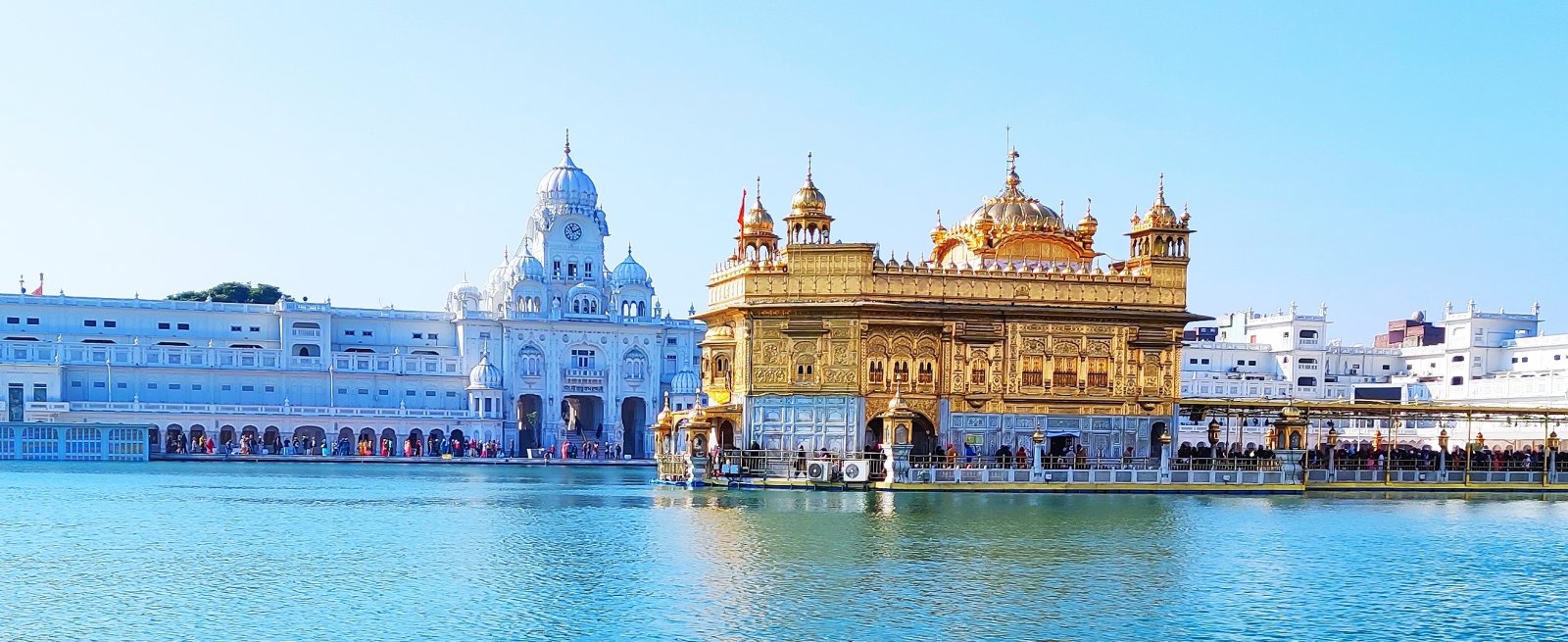


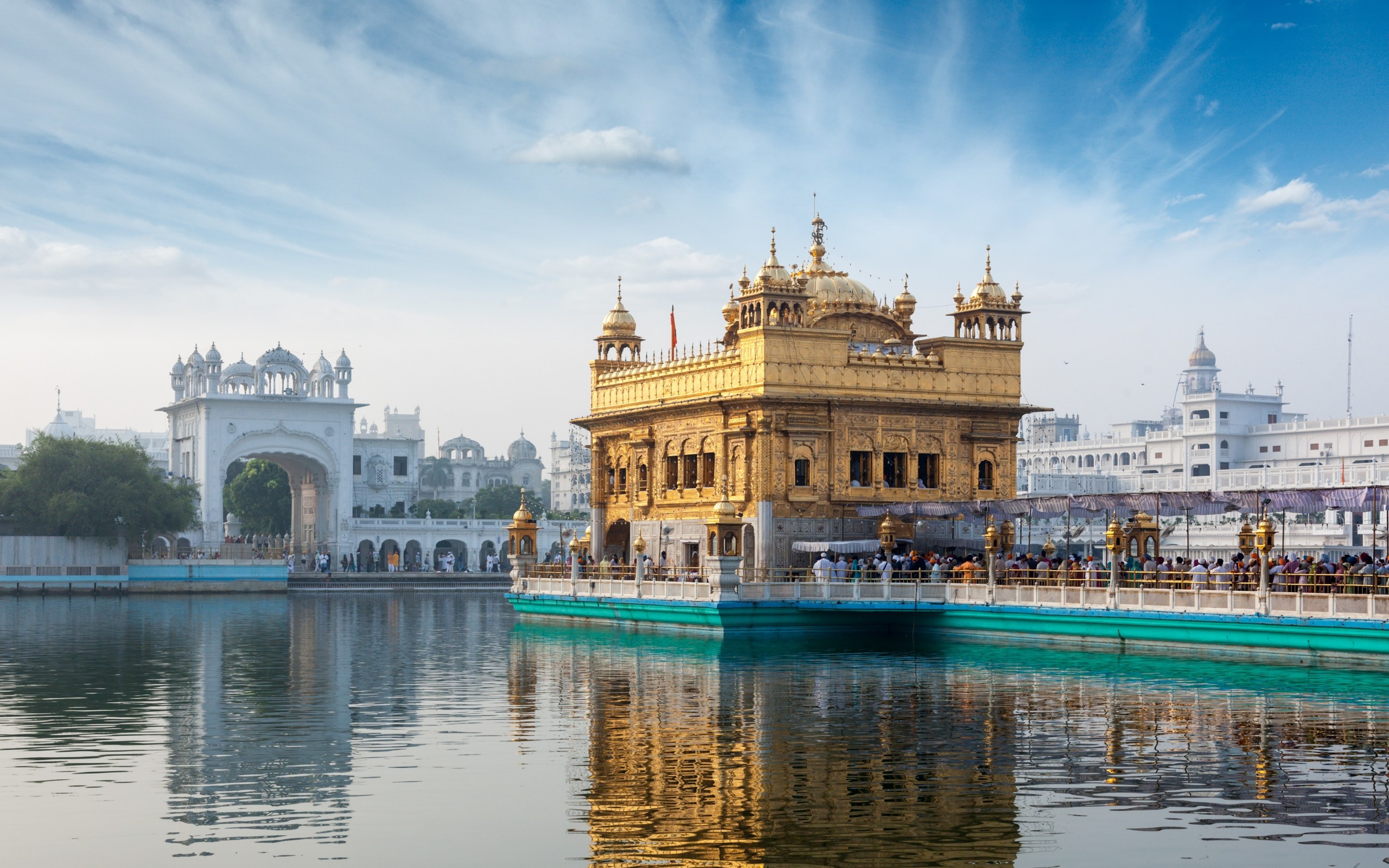
The Harmandir Sahib, commonly known as the Golden Temple, stands as a beacon of spirituality and resilience in Amritsar, India. Its construction began in 1574 under the guidance of Guru Ram Das Ji, the fourth Guru of Sikhism, who envisioned a sacred space that would reflect the principles of equality and humility. The temple was completed in 1604, with the installation of the Guru Granth Sahib, the holy scripture of Sikhism, marking its significance as a spiritual center. Over the centuries, the Golden Temple has weathered numerous challenges, including the destruction during Operation Blue Star in 1984, yet it remains a symbol of hope and devotion for millions worldwide. Its architecture is a blend of Hindu and Islamic styles, with intricate carvings, beautiful frescoes, and the iconic golden dome that gleams under the sun, attracting visitors from around the globe. The Amrit Sarovar, or pool of nectar, surrounding the temple not only provides a tranquil environment for reflection but also serves as a reminder of the selfless service at the heart of Sikhism. Every day, thousands partake in the langar, a communal meal offered for free to all visitors, showcasing the Sikh commitment to equality and service. Festivals like Baisakhi and Diwali see the temple adorned with lights and flowers, drawing crowds that celebrate through music, dance, and shared meals. A lesser-known curiosity about the Golden Temple is its unique practice of allowing all individuals, regardless of background, to engage in the daily rituals and serve meals, reinforcing the message of unity. The best time to visit is during the cooler months from October to March, when the weather is pleasant for exploration. As you wander through the marble pathways, listen to the soothing hymns echoing in the air, and witness the vibrant life around the temple, consider utilizing the Secret World app to plan a personalized itinerary for your visit to Amritsar.