



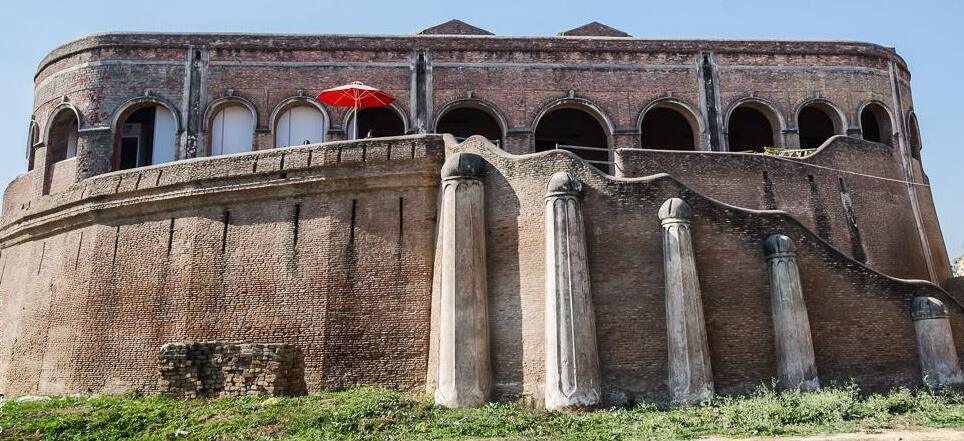
Nestled in the heart of Amritsar, the Gobindgarh Fort stands as a silent sentinel from a bygone era, echoing tales of valor and strategic brilliance. Built in 1809 under the aegis of Maharaja Ranjit Singh, the fort once embodied the defiant spirit of the Sikh Empire, a bastion of strength designed to protect its people and sovereignty.

### History and Origins The fort’s origins date back to the early 19th century, during a time of great political upheaval and territorial ambitions. Constructed primarily of limestone and brick, it was a formidable structure with iron-studded gates meant to withstand sieges. The fort's strategic location near the Golden Temple was no accident; it was intended as a safeguard against potential invasions. Following the Anglo-Sikh Wars, the British, wary of its imposing stature, partially demolished its fortifications, leaving much of it in its current state of deliberate ruination.
### Art and Architecture The architectural style of Gobindgarh Fort is a testament to the robust military engineering of the time, characterized by thick walls and an expansive layout. The fort once housed numerous buildings, including the Tosha Khana, which stored the treasures of Maharaja Ranjit Singh. Although many of these structures have succumbed to time, their remnants speak volumes of the artistic and cultural richness of the Sikh period. The fort's architecture was an amalgamation of Sikh, Mughal, and British influences, reflecting a unique blend that resonated the multicultural tapestry of the region.
### Local Culture and Traditions Amritsar, steeped in Sikh tradition, celebrates numerous festivals, with Baisakhi being the most prominent. This harvest festival marks the Sikh New Year and is celebrated with fervor across the city. The fort plays an integral role during these celebrations, hosting cultural events and performances that draw both locals and tourists. The fort's grounds become a canvas for traditional Punjabi folk dances like Bhangra and Gidda, offering a glimpse into the vibrant cultural heritage of Punjab.
### Gastronomy No visit to Amritsar is complete without indulging in its rich culinary offerings. The vicinity of Gobindgarh Fort is a haven for food enthusiasts, offering traditional Punjabi dishes like Amritsari Kulcha, Sarson da Saag, and Makki di Roti. The fort itself often hosts food festivals, allowing visitors to savor local delicacies amidst historical grandeur. Don’t miss out on the sweet, buttery goodness of Amritsari Lassi, a perfect companion to the spicy flavors of Punjabi cuisine.
### Lesser-Known Curiosities While the fort is known for its historical significance, few know about the underground tunnels that once connected it to other parts of the city. These secret passages were used for strategic movements and are a subject of intrigue for historians and visitors alike. The fort also houses a 3D projection show narrating the life and times of Maharaja Ranjit Singh, offering an immersive experience that few expect.
### Practical Visitor Information The best time to visit Gobindgarh Fort is during the cooler months from October to March, when the weather is pleasant. The fort hosts a variety of cultural showcases throughout the year; checking their schedule in advance can enhance your visit. Remember to wear comfortable shoes as there is much to explore, from the Darbar Hall Museum to the remnants of the fortifications.
To make the most of your journey to Amritsar, use the Secret World app to craft a personalized AI itinerary tailored to your interests.
