
← Back

Greeks: a piece of Albania in Irpinia

83030 Greci AV, Italia ★★★★☆ 465 views
Manuela Uber
Greci
🏆 AI Trip Planner 2026

Get the free app

Discover the best of Greci with Secret World — the AI trip planner with 1M+ destinations. Get personalized itineraries, hidden gems and local tips. Free on iOS & Android.

🧠 AI Itineraries 🎒 Trip Toolkit 🎮 KnowWhere Game 🎧 Audio Guides 📹 Videos
Download on the App Store Get it on Google Play
Scan to download Scan to download

About Greeks: a piece of Albania in Irpinia

Greeks: a piece of Albania in Irpinia - Greci | Secret World Trip Planner

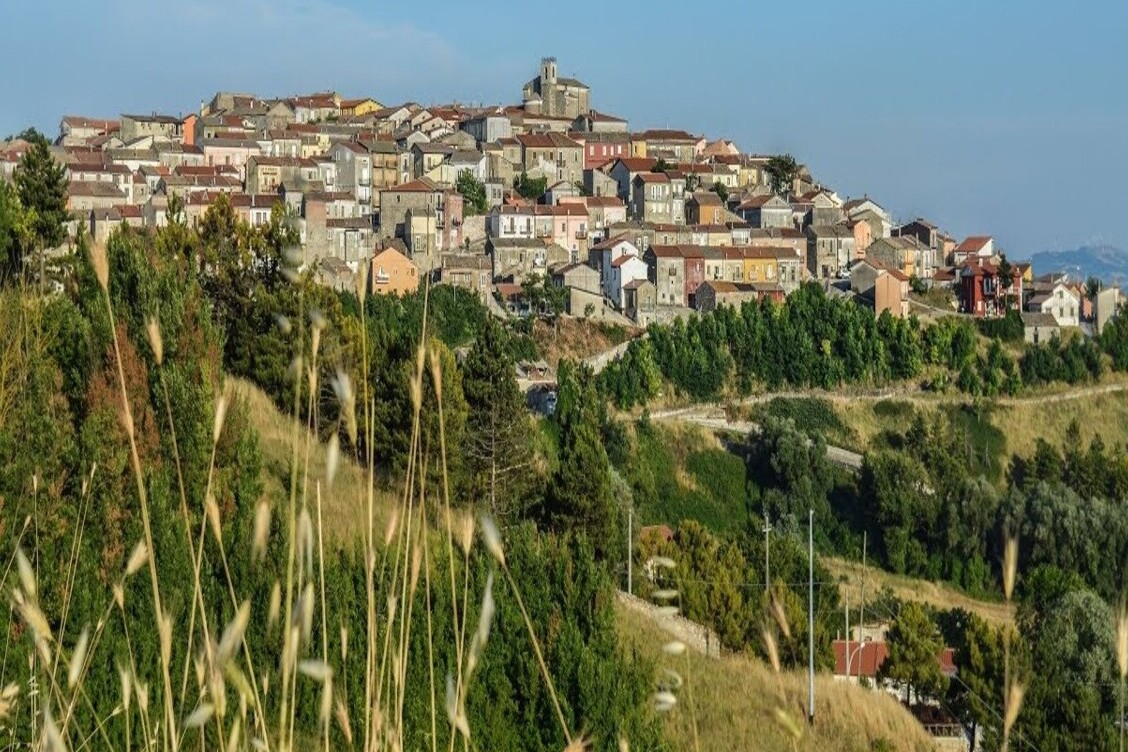
The small town of Greci, located in the Irpinian province of Avellino, is called Katundi by its inhabitants, in the Arbëreshe language, and is the least known of all the Italian towns of ancient Albanian ethnicity. Greci, the only Arbëreshë village in the Campania region, tells its deep Albanian roots in the tradition of ancient dirges, in the houses and in the celebrations, revealing the history of a distant time made of colonizations and conquests. Greci, in arbëresh 'Katundi', has a history that starts very far away: before the arrival of the Albanians, Greci was a pre-existing and very ancient centre. The name Greci appears after 535, that is after the expedition to southern Italy (ordered by Justinian, Emperor of Constantinople) under the command of General Belisarius. Evidently, on that occasion, many Greek colonies were founded, including Greci. The town was destroyed by the Saracens in 908 A.D. and rebuilt in 1039 (always with the name of Greci) by Count Potone, by concession of the Prince of Benevento Pandolfo and his son Landolfo. The town of Greci, at that time, was a kind of emporium, where trade between Abruzzo and Puglia took place. Around 1464 the Albanian general Skanderbeg arrived in Italy to help Ferdinand of Aragon against John of Anjou. The Albanian hero definitively defeated the Angevins with the battle of Orsara and decided to station his soldiers in some localities to defend himself from possible new incursions that could have reopened the clash. The Albanians thus came into contact with the old Greci and began to build their houses in the upper part of the town, called Breggo, in Italian hill. The typical houses of that period of colonization were the kalive, stone houses, characterized by a single room, with a beaten earth floor and a very low roof, made of wood and tiles. Generally, the kalive were used as dwellings and at the same time as shelters for animals. Even today, the few that have remained intact seem to tell the humble life of that distant time, just as the finely decorated portals that still fill the historic centre narrate the more affluent lives of the arbëreshë people of that time.

🗺 AI Trip Planner

Plan your visit to Greci

Suggested itinerary near Greeks: a piece of Albania in Irpinia

MAJ+
500.000+ travelers worldwide
  1. 🌅
    Morning
    Greeks: a piece of Albania in Irpinia
    📍 Greci
  2. ☀️
    Afternoon
    The village of Greci and the small lake
    📍 0 km · Greci
  3. 🌆
    Evening
    Aryan Irpinia and the ancient centre of Aequum Tuticum
    📍 6 km · Greci

Buy Unique Travel Experiences

Powered by Viator

See more on Viator.com

Explore nearby · Greci

Frequently Asked Questions

The inhabitants of Greci call their town 'Katundi' in the Arbëreshe language, which means 'village' in Albanian. This name reflects the town's deep Albanian roots and ethnic identity, making it the only Arbëreshë village in the Campania region and a unique piece of Albania nestled in Irpinia.
Around 1464, Albanian soldiers arrived in Greci under the command of the famous general Skanderbeg, who came to Italy to help Ferdinand of Aragon in military conflicts. These Albanian fighters settled in the upper part of town called Breggo (meaning 'hill'), establishing their community and building traditional stone houses called kalive that still reflect their humble lifestyle.
Kalive are traditional stone houses from the period of Albanian colonization, characterized by a single room with a beaten earth floor and low roof made of wood and tiles, originally serving as both dwellings and animal shelters. While most have not survived, the few intact kalive remaining in Greci still tell the story of the humble life led by the early Albanian settlers and are testament to the town's unique architectural heritage.
Greci was named after 535 AD when Greek colonies were founded following Emperor Justinian's expedition to southern Italy under General Belisarius. The town was destroyed by Saracens in 908 AD but was rebuilt in 1039 by Count Potone and functioned as an important trading emporium connecting commerce between Abruzzo and Puglia.
The Albanian roots of Greci are preserved in ancient dirges, traditional houses, and local celebrations that reveal the history of colonization and conquest. These living traditions, combined with the Arbëreshe language spoken by inhabitants and the surviving architectural elements like the kalive houses, make Greci a living museum of Albanian-Italian cultural fusion in Irpinia.
