
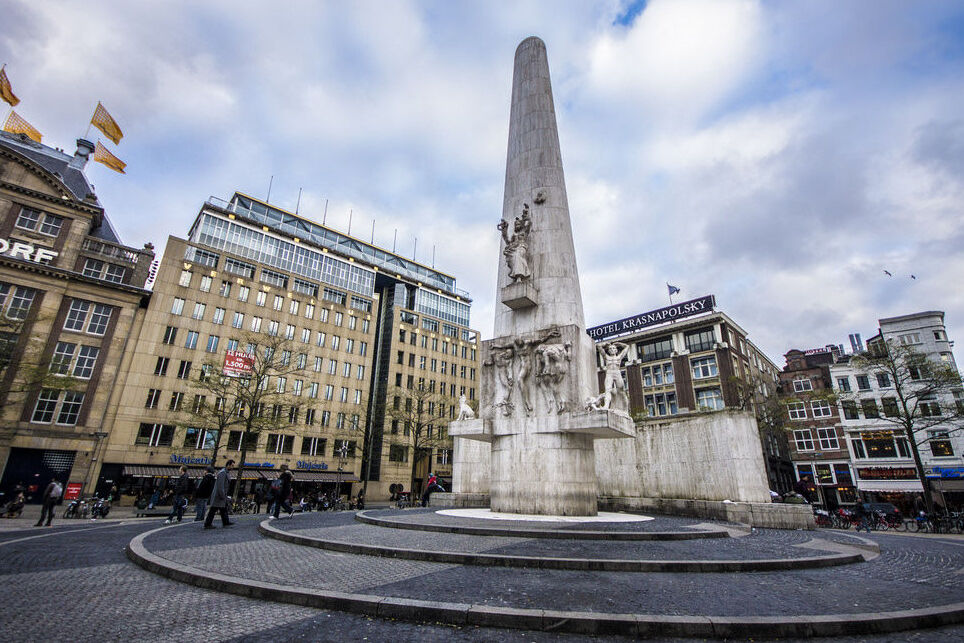

In the bustling heart of Amsterdam lies Dam Square, a historic landmark where the city's past and present converge in a vibrant tapestry of culture, architecture, and tradition. Established in the 13th century, Dam Square was originally created as a dam on the Amstel River, its name a reflection of this practical origin. This crucial construction was pivotal in the development of Amsterdam, transforming it from a collection of riverside settlements into a thriving city. Over the centuries, Dam Square has witnessed key historical events, including protests, royal ceremonies, and the relentless march of time.
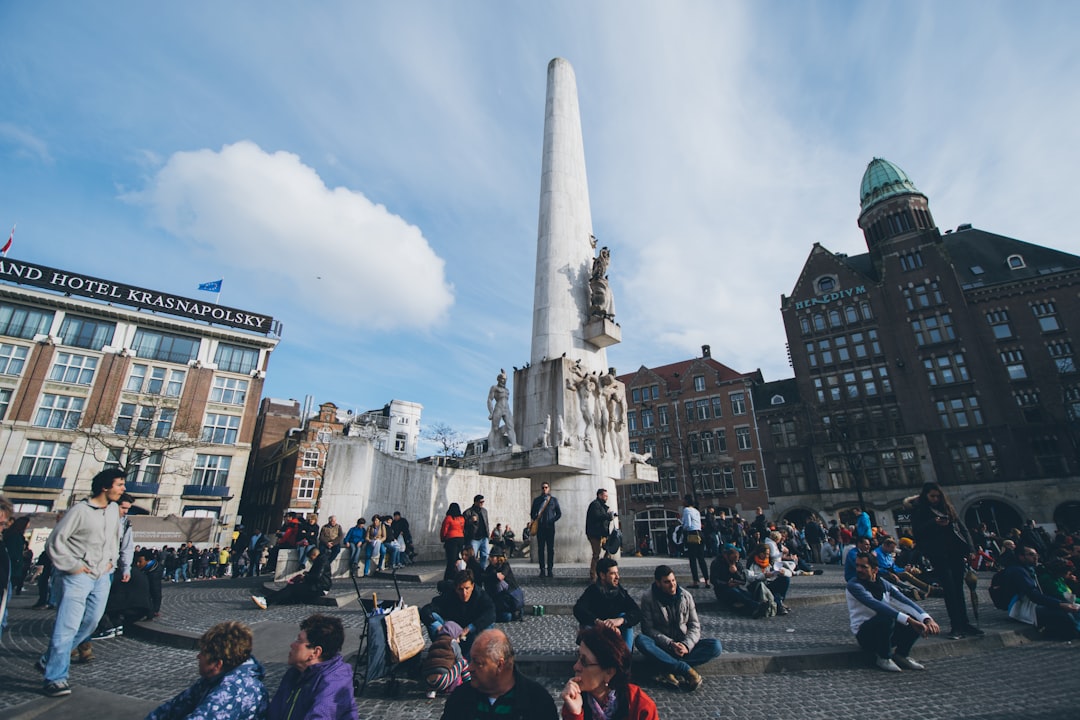
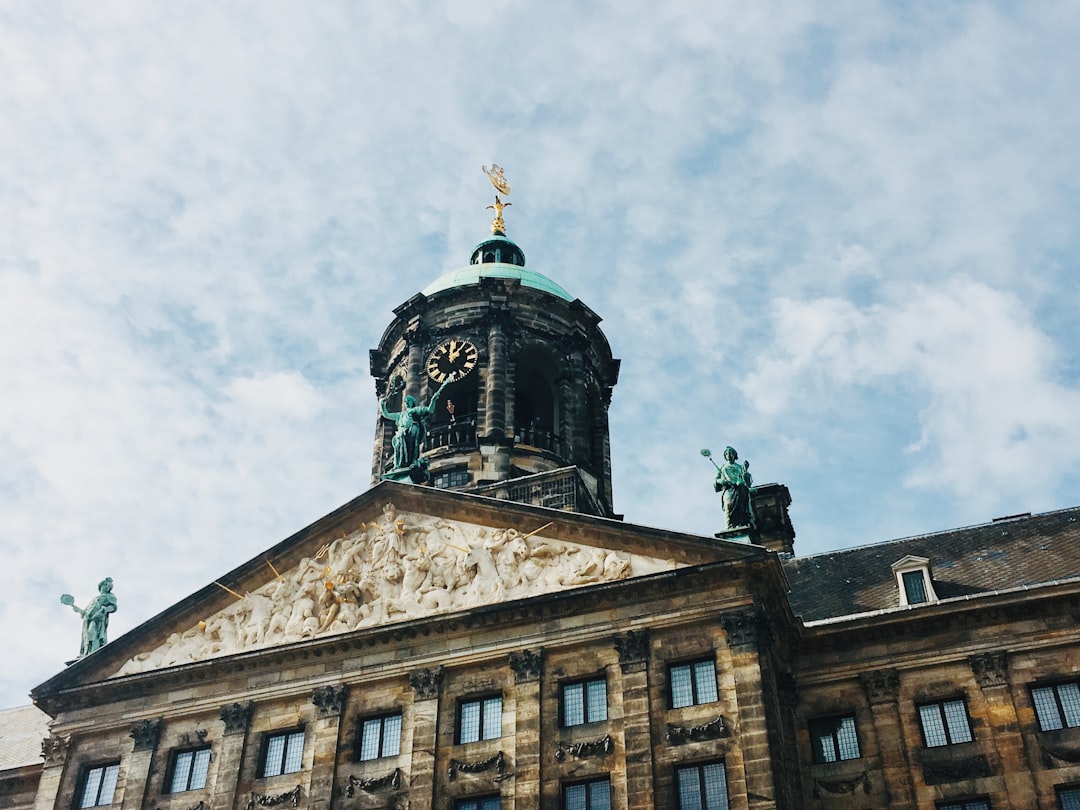
Architecturally, Dam Square is a fascinating blend of styles and eras. Dominating the square is the Royal Palace of Amsterdam, originally built as the city hall in the 17th century. Designed by architect Jacob van Campen, the palace exemplifies Dutch classicism, with its austere facade and grand interior. Another architectural gem is the Nieuwe Kerk, a 15th-century Gothic church renowned for its exquisite stained-glass windows and intricate wood carvings. Not far away, the National Monument, erected in 1956, stands as a solemn tribute to the victims of World War II.
Culturally, Dam Square remains a vibrant hub, reflecting both historical traditions and contemporary life. The square is a focal point during the National Remembrance Day on May 4th, when locals gather to honor those who died in war. Throughout the year, street performers, musicians, and artists add a layer of lively charm, maintaining a bohemian spirit that harks back to the 1960s when the square was a gathering place for hippies.
When it comes to gastronomy, Amsterdam offers a delightful array of local flavors. Around Dam Square, visitors can savor traditional Dutch treats like stroopwafels, syrup-filled waffle cookies, and haring, raw herring typically served with onions and pickles. For a more substantial meal, try stamppot, a hearty dish of mashed potatoes mixed with vegetables and served with sausage.
Among the lesser-known curiosities of Dam Square is the story of the Dam Square pigeons, which are said to be descendants of homing pigeons used by the Dutch Resistance during World War II. Another intriguing detail is the small bronze relief of a hand holding a breast, discreetly embedded in the square's cobblestones. This piece is said to be a nod to Amsterdam's famous Red Light District.
For the practical visitor, the best time to explore Dam Square is during the shoulder seasons of spring and autumn, when the weather is mild, and the crowds are less overwhelming. Arrive early in the morning for a tranquil experience, or visit late in the evening to witness the square's illuminated beauty. Be sure to take a moment to enjoy a coffee at one of the nearby cafes, where you can watch the world go by from a terrace seat.
To uncover more hidden gems and curate your journey through Amsterdam, consider using the Secret World app for a personalized AI itinerary.


