
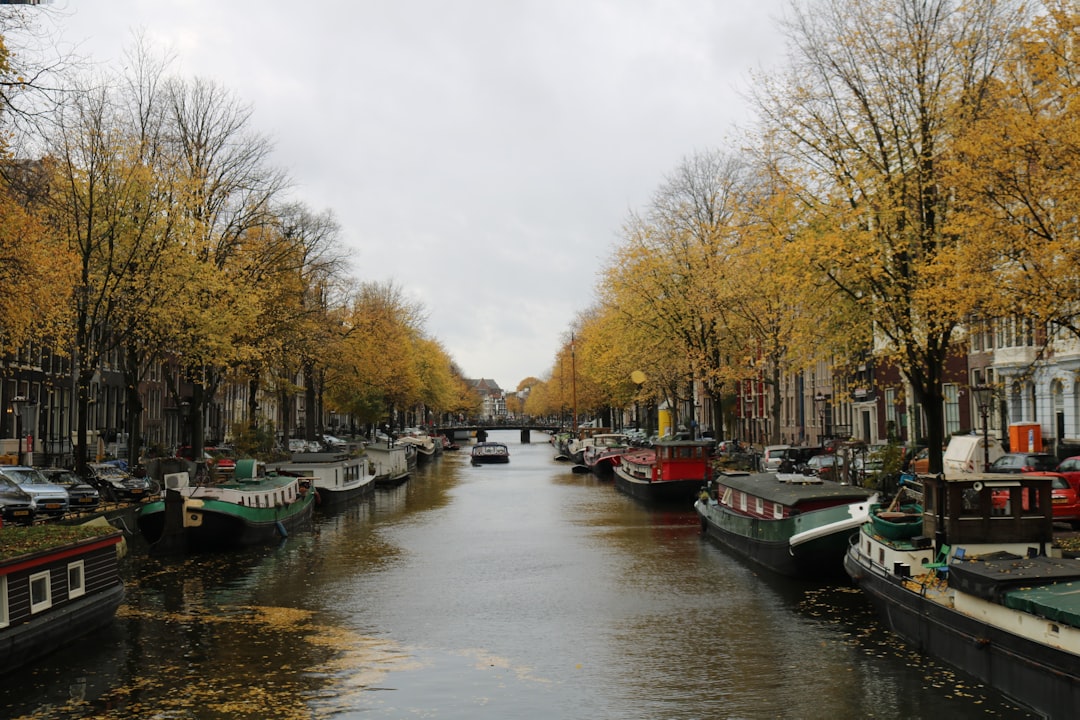

Amsterdam, the capital of the Netherlands, is a city that captivates with its network of canals, earning it the nickname "Venice of the North." These waterways, intertwining through the city, not only offer breathtaking views but also tell the story of a commercial and cultural past that has shaped Amsterdam's identity over the centuries. The beauty of the canals is enhanced by over 1,500 bridges and an architecture that ranges from Gothic to modern, making every corner a work of art waiting to be discovered.
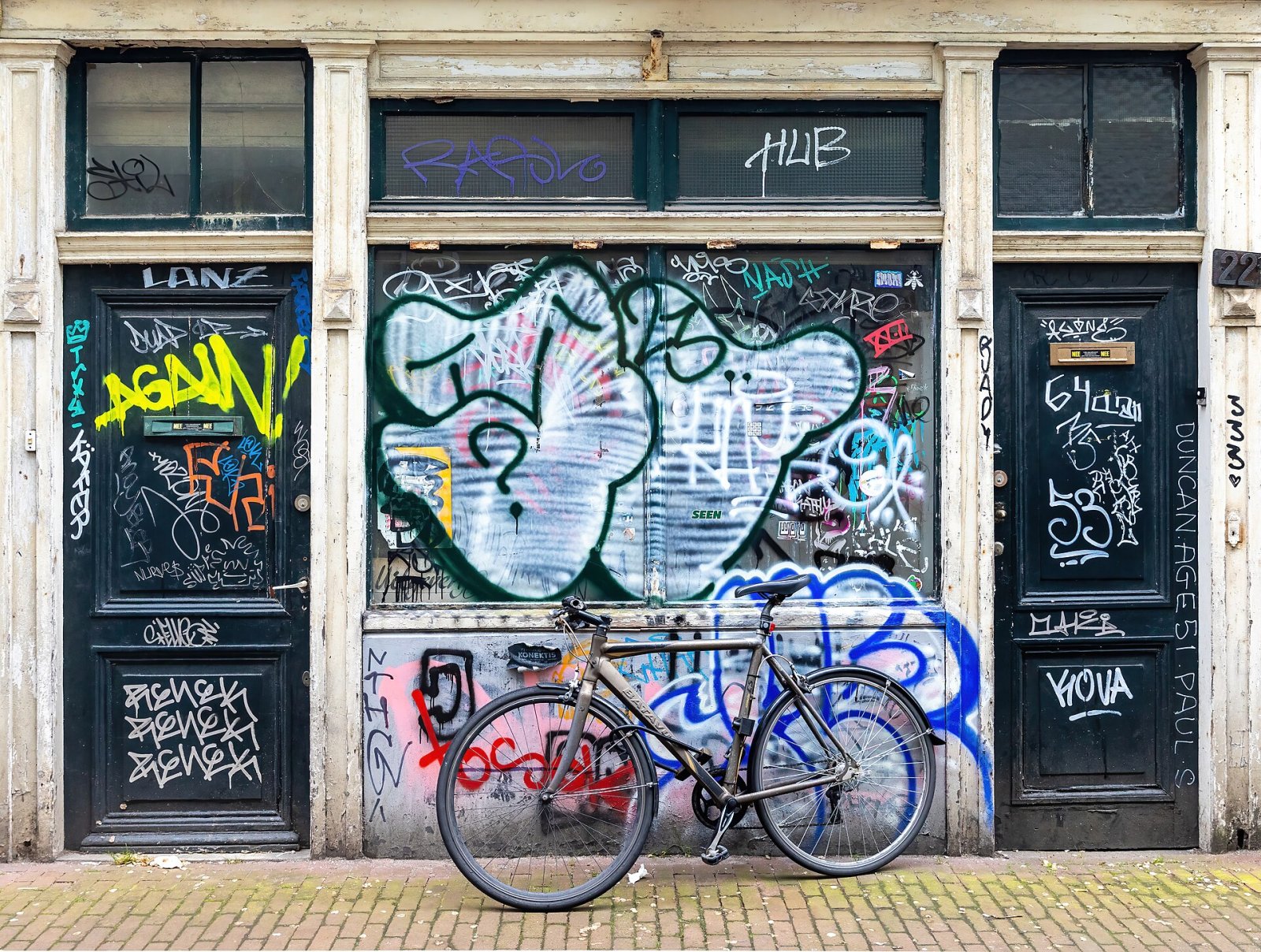
The city originated as a modest fishing village in the 12th century but exploded in notoriety in the 17th century, becoming a center of international trade. This golden age gave rise to iconic neighborhoods like Jordaan and the famous "Canal Belt," recognized as a UNESCO World Heritage Site in 2010. The layering of history is palpable, with historic buildings coexisting alongside modern architectural works, creating a fascinating contrast that attracts visitors from all over the world.
Historical and Cultural Context
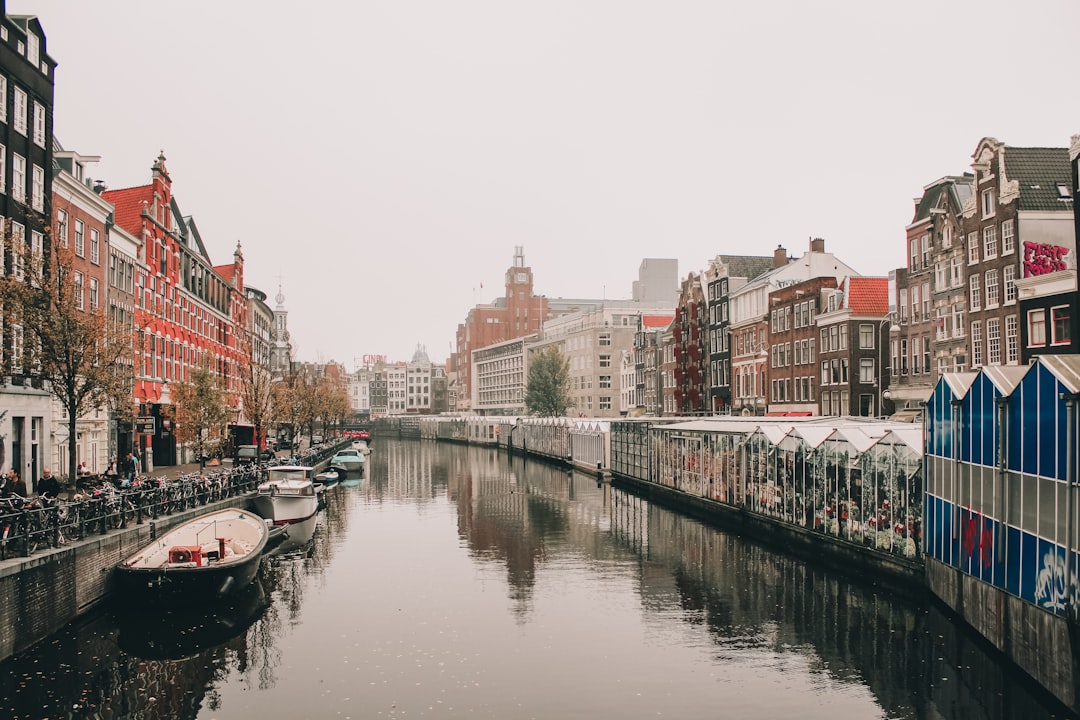
The historical context of Amsterdam's canals is intrinsically linked to the city's economic and social growth. During the 17th century, Amsterdam became the hub of global trade, and the construction of the canals was a response to the need for urban and logistical expansion. These waterways not only facilitated the transport of goods but also served as a drainage system, essential for a city built largely on marshy land. The design of the canals followed a strict urban planning scheme, creating a grid that influenced subsequent European cities.
Amsterdam's culture is equally rich, reflecting the diversity of its inhabitants and the influences of various historical periods. World-renowned museums, such as the Rijksmuseum and the Van Gogh Museum, overlook the canals, offering a journey through the art history that has marked the city. Additionally, the canal festival, held annually, celebrates this cultural heritage with events that unite music, art, and gastronomy, making the visit even more memorable.
What Stands Out About the Place
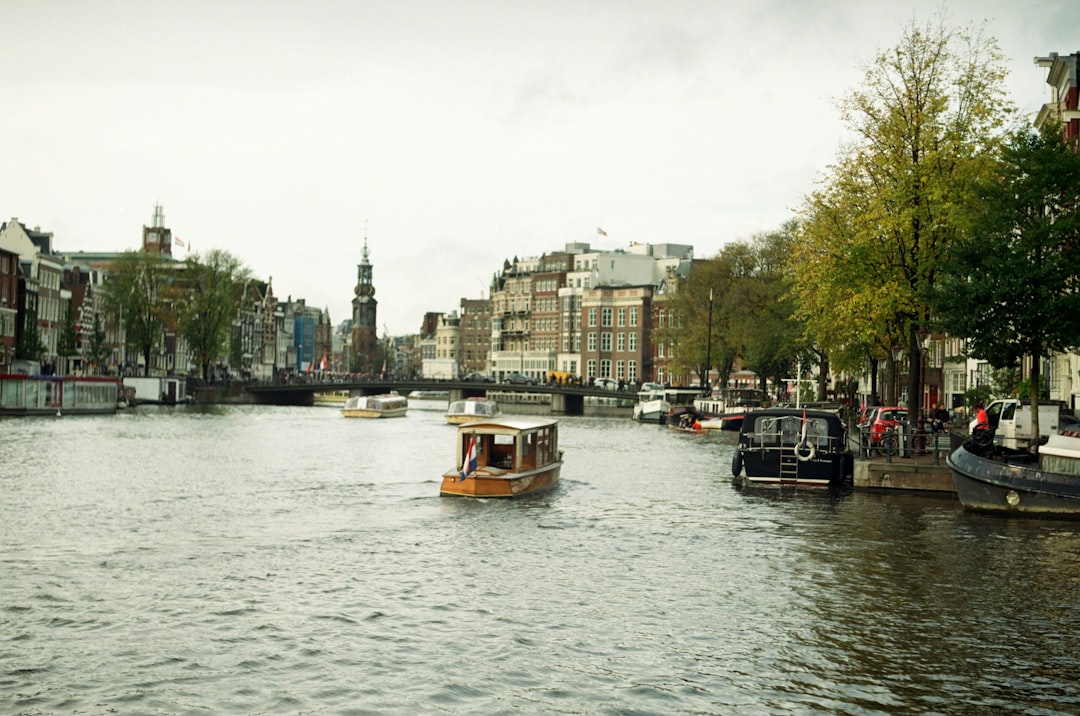
What strikes most about Amsterdam's canals is their scenic beauty and the unique atmosphere that can be felt while strolling along their banks. Each canal has its own personality, with row houses facing the water, adorned with colorful flowers and parked bicycles. The tranquility of some waterways contrasts with the lively movement of tourist boats and gondolas, creating a fascinating balance between calm and vibrancy. The light reflecting on the water during sunset offers an unforgettable spectacle, perfect for photography enthusiasts.
Moreover, the importance of the canals is not only aesthetic but also social. These public spaces serve as meeting places where residents and tourists mingle, creating a sense of community. The numerous cafes and restaurants along the canal banks offer the chance to savor local dishes or simply sip coffee while admiring the view. The vibrant nightlife, with bars and venues overlooking the canals, invites exploration of the city even after sunset.
Visiting Experience
Visiting the canals of Amsterdam is an experience that engages all the senses. A walk along the banks offers the opportunity to discover hidden corners and architectural details that often go unnoticed. Additionally, canal cruises allow you to see the city from a unique perspective, with guides sharing fascinating stories about Amsterdam's past and curiosities. Many tours also offer food and wine tastings, making the experience even richer and more engaging.
For those who wish to delve deeper into history, it is advisable to visit the museums and art galleries that dot the canals. Each visit offers the opportunity to immerse yourself in local culture, with events and exhibitions frequently taking place. Don't forget to bring a camera: every corner deserves to be captured, and the canals at sunset are a true spectacle not to be missed.


