
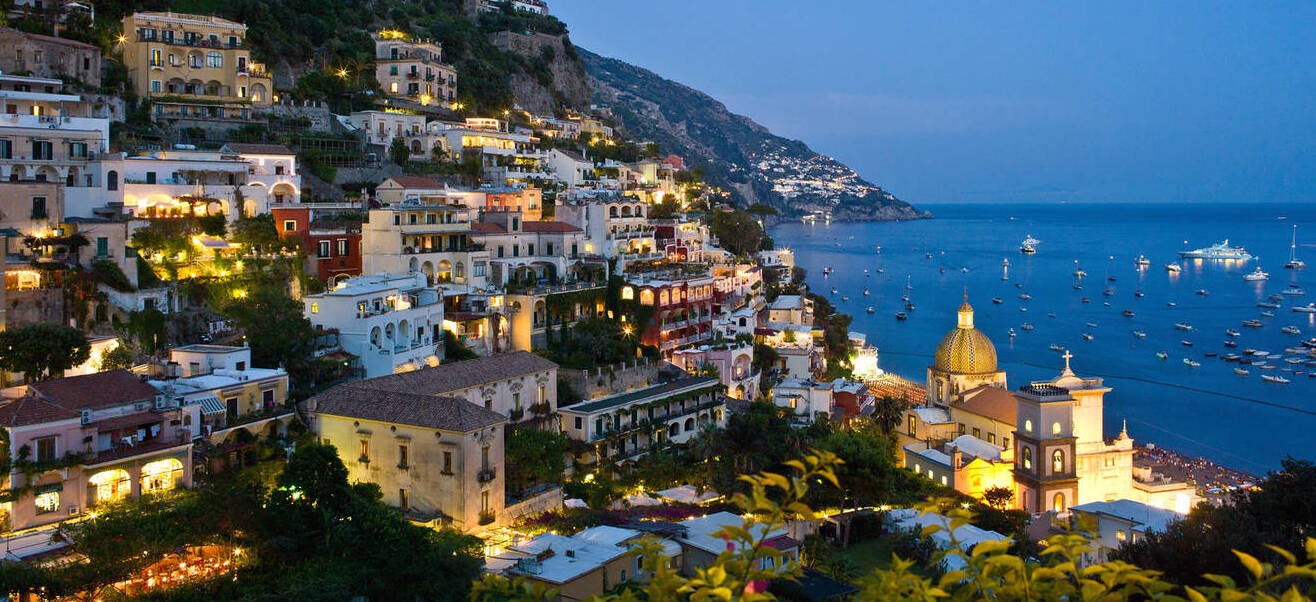

Nestled on the cliffs of the Amalfi Coast, Positano is often referred to as "Heaven on Earth," a title that encapsulates its breathtaking beauty and enchanting atmosphere. This idyllic village, with its cascading colorful houses and stunning views of the Tyrrhenian Sea, has a history as rich and layered as the landscape itself.
History and Origins
The origins of Positano date back to the Roman Empire, when it served as a vital port. Historical records suggest that it was founded in the 9th century, primarily as a refuge for inhabitants fleeing the Saracen invasions. Throughout the Middle Ages, Positano flourished as a trading hub, particularly for textiles and limoncello, the famous lemon liqueur. However, like many coastal towns, it faced decline in the 18th and 19th centuries, becoming largely forgotten until the early 20th century.
The turning point for Positano came in 1953 when the American author John Steinbeck penned his evocative essay for Harper’s Bazaar, describing how “Positano bites deep.” His words ignited a fascination that ushered in waves of tourists, transforming the village into the glamorous destination it is today.
Art and Architecture
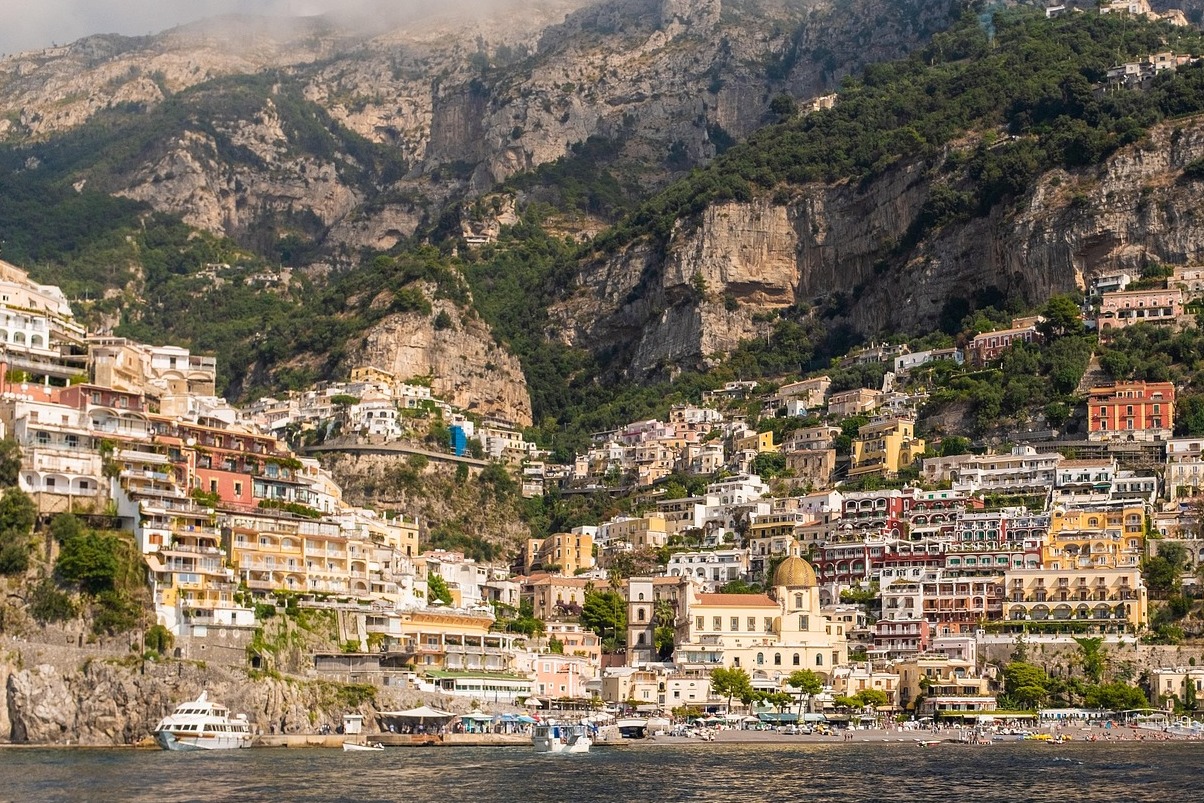
Positano is renowned for its distinctive Mediterranean architecture, characterized by vibrant houses stacked like a colorful mosaic against the cliffs. The Church of Santa Maria Assunta, with its iconic majolica-tiled dome, is a notable architectural gem. This church dates back to the 10th century and houses a revered Byzantine icon of the Virgin Mary, drawing pilgrims and visitors alike.
Artistic expression thrives here, with local artisans crafting beautiful ceramics and textiles that reflect the area’s cultural heritage. The Positano Art Walk, a scenic route lined with galleries showcasing local artists, provides an intimate glimpse into the creative pulse of this coastal town.
Local Culture and Traditions
The culture of Positano is steeped in traditions that resonate with its maritime heritage. The Festa del Pesce (Fish Festival) celebrated in September, honors the village’s fishing roots with a feast of local seafood and music. Additionally, the Volo dell'Angelo (Flight of the Angel) festival held in August features a thrilling zip-line descent from a nearby mountain, symbolizing the village’s connection to its patron saint.
Throughout the year, local customs such as tarantella dancing and the crafting of luminaria (decorative lights) for festivals imbue the town with a vibrant spirit. Visitors can immerse themselves in this culture by participating in cooking classes or attending local festivals, creating memories that linger long after leaving.
Gastronomy
The culinary scene in Positano is a testament to its rich agricultural bounty and coastal resources. Visitors can indulge in local specialties such as spaghetti alle vongole (spaghetti with clams), fresh seafood, and scialatielli—a handmade pasta often served with seafood or vegetables. The region’s limoncello is a must-try, crafted from the famous Sfusato lemons that thrive in the area’s unique microclimate.
Dining al fresco with a view of the sea, particularly at sunset, is an experience that captures the essence of Positano. For a sweet treat, local pastries like delizia al limone (lemon delight) are a delightful end to any meal, highlighting the region’s signature ingredient.
Lesser-known Curiosities
While many flock to Positano for its picturesque views, there are hidden gems that tell a deeper story. The Path of the Gods, a breathtaking hiking trail, offers stunning panoramas of the coast and is less frequented by tourists. Furthermore, the small Spiaggia del Fornillo, a quieter beach away from the more crowded main beach, provides a serene escape.
Another remarkable feature is the Positano’s verticality—the town is built on steep cliffs, leading to unique architectural designs where homes often have multiple levels and terraces, creating a labyrinthine charm. Visitors can explore the labyrinth of narrow streets and staircases, discovering quaint shops and hidden cafés along the way.
Practical Visitor Information
The best time to visit Positano is during the shoulder seasons of spring (April to June) and early autumn (September to October). During these months, the weather is pleasant, and the crowds are more manageable.
To fully experience the charm of Positano, consider traversing the local streets on foot. Wear comfortable shoes and be prepared for steep inclines. Don’t miss the opportunity to take a boat tour along the coast, offering a unique perspective of the stunning cliffs and hidden coves.
For those planning a visit, downloading the Secret World app can help you create a personalized itinerary to explore the many wonders of Positano.


