
It was founded by settlers Tarantini and Thurioti around 434 B.C., after a war that had seen them as enemies. The city is situated on high ground between the Agri and Sinni rivers on the remains of the city of Siris, and in 374 B.C. it was chosen as the capital of the Italiote League in place of Thurii, which had fallen to the Lucanians. Later an urban agglomeration would be created on the coast under the name Siris, which, however, with ancient Siris has only onomastic but not topographical continuity.
In 280 BC the city was the scene of the Battle of Heraclea between Tarentum and Rome. Also around 280 BC, the Romans proposed a special treaty of alliance to the city of Heraclea, succeeding in removing it from the influence of Tarentum and making it a confederate city of Rome.
Also dating from this period are the Heraclea tablets, now in the National Archaeological Museum in Naples, which are bronze plates with Greek texts concerning the city's public and constitutional order. On the back of these is transcribed, in Latin, the lex Iulia Municipalis.
At the end of the war between Romans and Tarantines, Heraclea, like all of Lucania and Apulia, fell under Roman rule. In 212 BC the city was besieged and conquered by Hannibal. Later it again became a thriving city, and its inhabitants were described as Nobiles Homines by Cicero in Pro Archia, the apologia of the poet Aulus Licinius Archia, a citizen of Heraclea.
In 89 B.C. the Heraclids were given Roman citizenship by the lex Plautia Papiria. Throughout the Republican age, Heraclea was troubled by social unrest, which reached its climax in 72 B.C. with the passage of Spartacus. The population then took refuge in the upper part of the city. During the imperial age, however, its decline began. The poet Archia and the great painter Zeusi, possibly a native of the city, resided there.
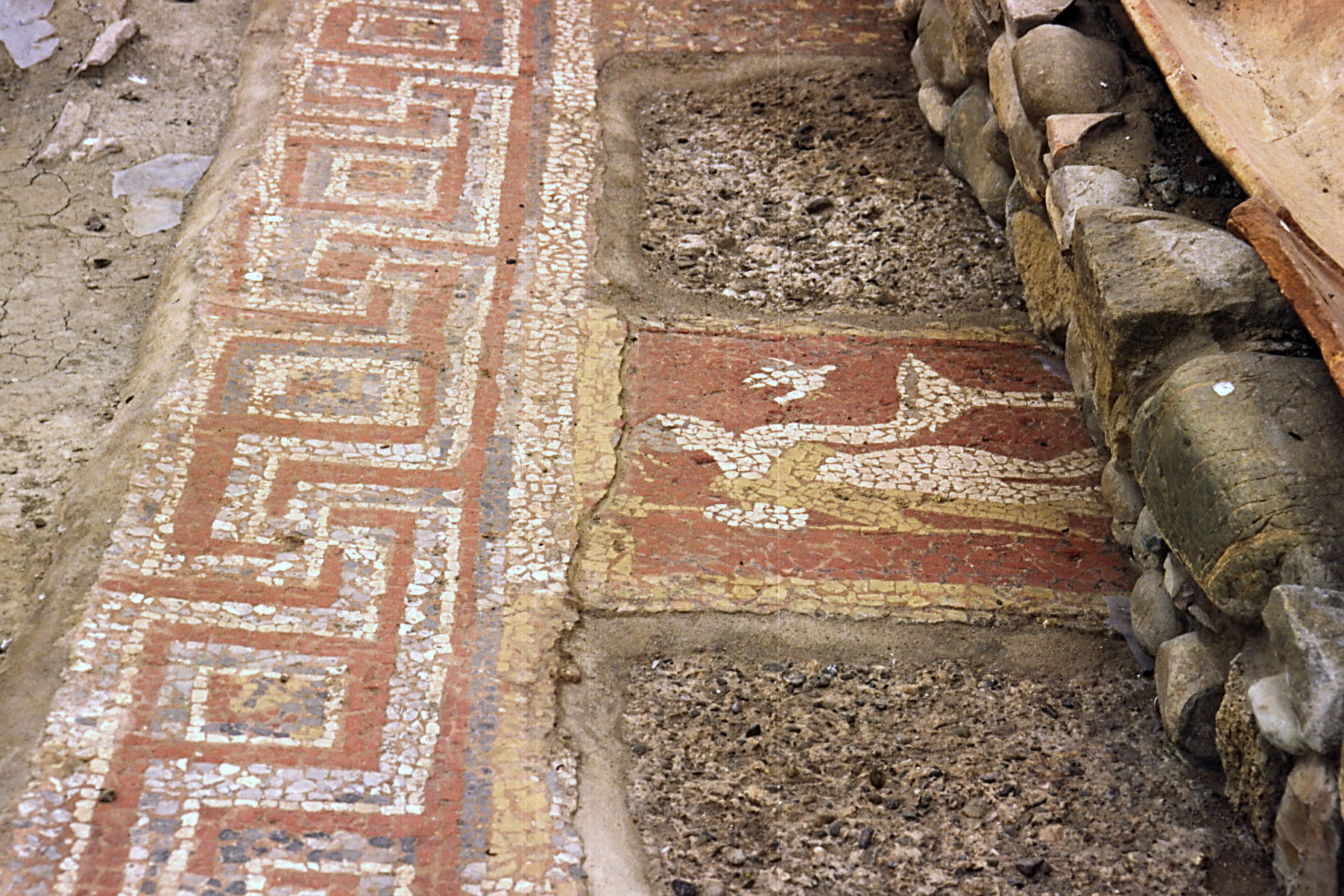
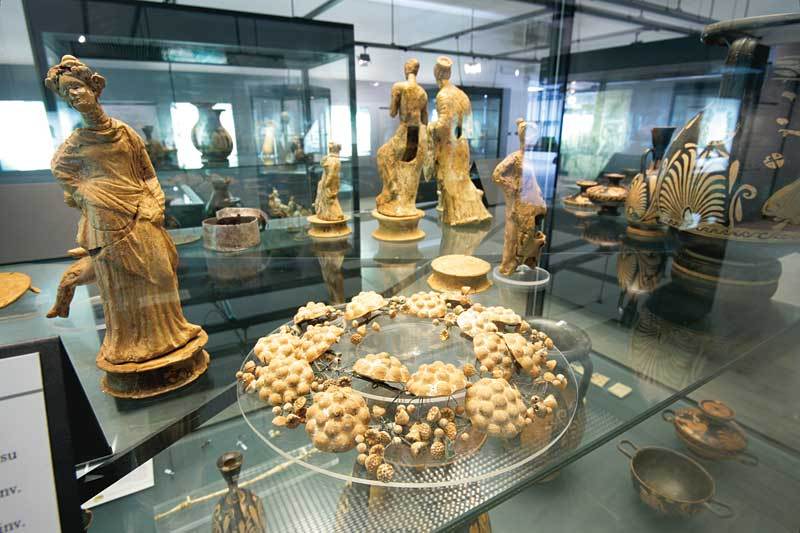
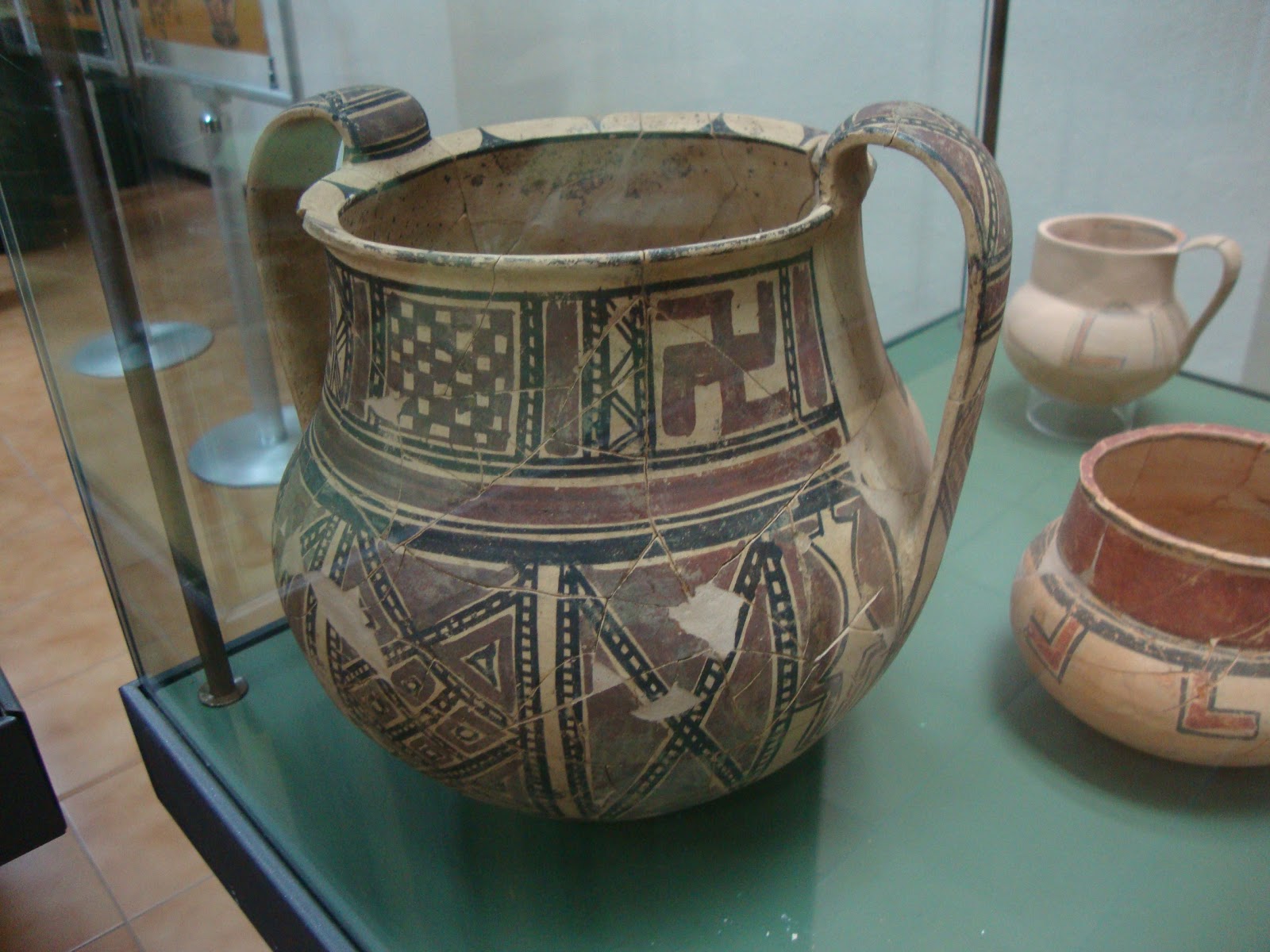
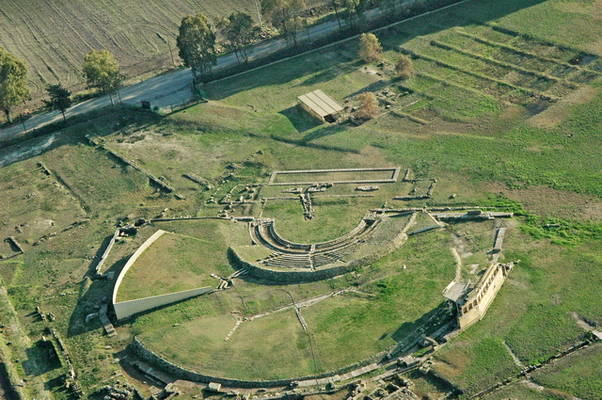
The ruins can currently be visited together with the National Museum of the Siritide in Policoro, which houses most of the artifacts found there. Of the ancient city in the lower part can be seen the Temple of Athena, the foundations of which remain, and the Temple of Demeter. On the acropolis, on the other hand, the remains of the city are better preserved and the urban layout consisting of orthogonal street axes is visible. To the west is located the potter's quarter with houses with attached furnaces. To the south and west are located the necropolises. Tied to Heraclea are famous personalities of the time:
Zeusis (5th century B.C.), was an ancient Greek painter. Pyrrhus (318 BC - Argos, 272 BC), was king of Epirus, took part in the Battle of Heraclea. Publius Valerius Levinus (3rd century BC), was a Roman consul, took part in the Battle of Heraclea.