


Mumbai’s Chor Bazaar—literally “Thieves’ Market”—owes its colorful name to the whispers of stolen goods once hawked in its narrow lanes. Today, though the “thief” aspect is more legend than reality, Chor Bazaar still delivers one of the city’s most thrilling, labyrinthine shopping experiences. As a blogger who’s lost (and found) treasures in its stalls, here’s an insider’s deep dive into this iconic market:
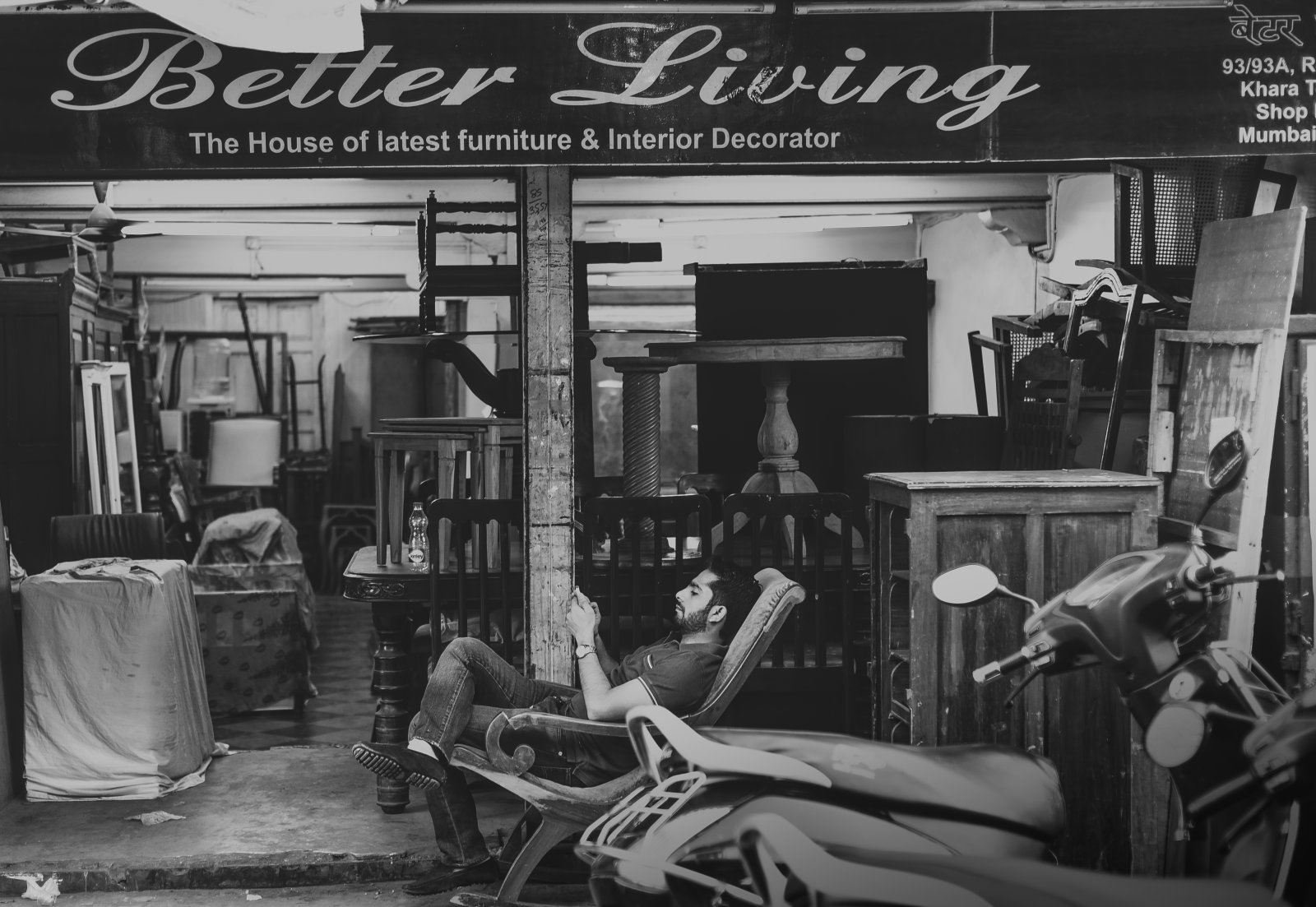
A Storied Past
-
Origins in the 19th Century: Chor Bazaar began in the mid-1800s when British officers and local residents started offloading unwanted furniture, utensils and curios from their bungalows. Over time, stories of pilfered wares spread, and the market earned its mischievous moniker.
-
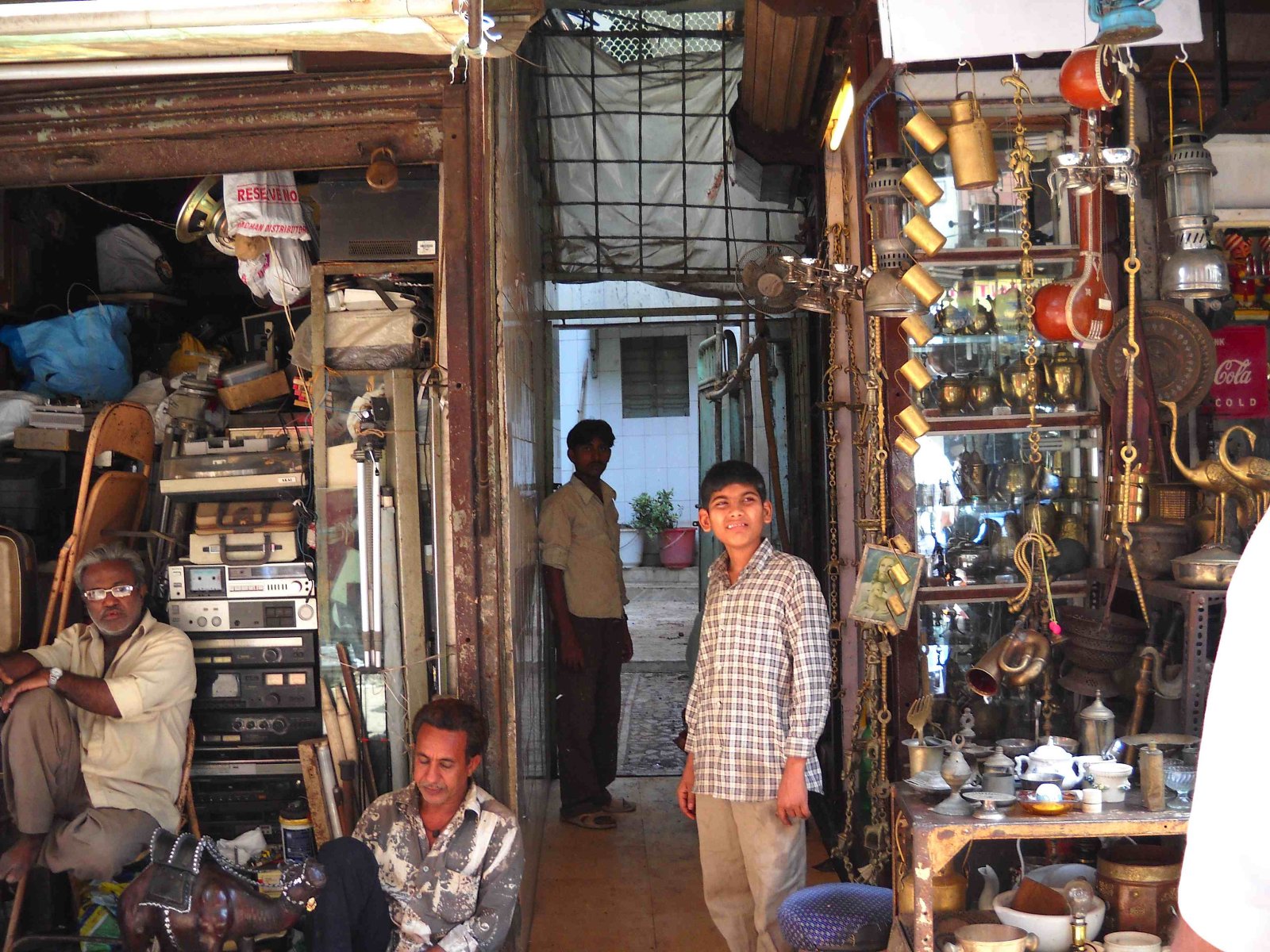
From Illicit to Iconic: By the early 20th century, vendors had transitioned away from dubious goods, embracing antiques, curios and curiosities. Today, Chor Bazaar is woven into Mumbai’s folklore—half history lesson, half flea-market romp.
What You’ll Find
-
Antique Furniture & Home Décor
-
From intricately carved Victorian-era cabinets to brass lamps rescued from old Irani cafés, the booths practically ooze history.
-
-
Vintage Bollywood Posters
-
Original press prints of 1950s and ’60s film posters—ideal for cinephiles hunting that retro vibe.
-
-
Retro Signage & Factory Plates
-
Rusted enamel signs, cast-iron machinery plates, even old railway labels—perfect for industrial-chic interiors.
-
-
Collector’s Trinkets
-
Vintage cameras, typewriters, coin collections, and clocks that may just tick again after a little TLC.
-
-
Second-Hand Vinyl & Records
-
Rare Bollywood soundtracks on vinyl, as well as Western classics—often in surprisingly good condition.
-
Insider Tips for Treasure Hunters
-
Go Early (or Late!): The market opens around 9 AM, but the best finds surface in the first hour. Alternatively, die-hard bargain-hunters swear by the post-lunch lull—vendors may be more willing to slash prices.
-
Haggle Fearlessly: Start by offering 30–40% of the asking price, then meet midway. Smiles and polite banter go a long way—vendors here love a good story as much as a sale.
-
Inspect Before You Buy: Check hinges, drawer bottoms and mechanical parts. A charming patina is great; a broken base, less so.
-
Carry Cash: While some stalls accept UPI or card, the heaviest bargains are strictly cash-only. Small notes (₹10, ₹20, ₹50) help you avoid awkward change.
-
Light Luggage Recommended: You never know when you’ll discover a mid-century lamp or a gramophone horn. Pack light or bring a foldable tote.
Beyond the Stalls
-
Architectural Gems: Chor Bazaar sits under the graceful arches of the Britannia & Co. Building (built 1862), a fine example of Gothic architecture in South Mumbai.
-
Neighboring Delights: Just a short walk away is Crawford Market (now officially Mahatma Jyotiba Phule Mandai), where you can sample fresh fruit juices, street snacks and local art.
-
Café Culture: Pop into one of the nearby Irani cafés—try a bun maska (bun with butter) and cutting chai—to recharge between bargaining marathons.
Why Chor Bazaar Still Captivates
-
A Living Museum: Every stall is a window into Mumbai’s colonial, cinematic and industrial past.
-
Serendipity at Every Turn: Unlike polished mall experiences, here you never know whether the next alley will reveal a rare silver tea set or a century-old radio.
-
Community of Collectors: From interior designers to cosplayers to vintage enthusiasts, Chor Bazaar draws a passionate crowd—making the hunt as social as it is nostalgic.
Final Musings
Whether you’re a hardcore antique hound or a curious traveler looking to uncover hidden Mumbai, Chor Bazaar offers a heady blend of history, hustle and genuine surprises. Plan your visit, keep your wits (and wallet) about you, and prepare to lose track of time amid its winding lanes—because here, every shop has a story, and every purchase is a piece of living folklore.


