


Nestled in the bustling heart of Mumbai, Khotachiwadi is a captivating heritage village that offers a glimpse into the city’s rich cultural tapestry. This quaint locale, founded in the late 18th century, stands as a testament to Mumbai's historical evolution. Initially established by Khot, a member of the Pathare Prabhu community, Khotachiwadi was designed to accommodate local East Indian families, featuring charming homes that echo the old-Portuguese architectural style. Although the village once boasted 65 houses, the relentless march of modernization has reduced this number to a mere 28, as towering skyscrapers dominate the skyline, threatening to overshadow this unique piece of history.
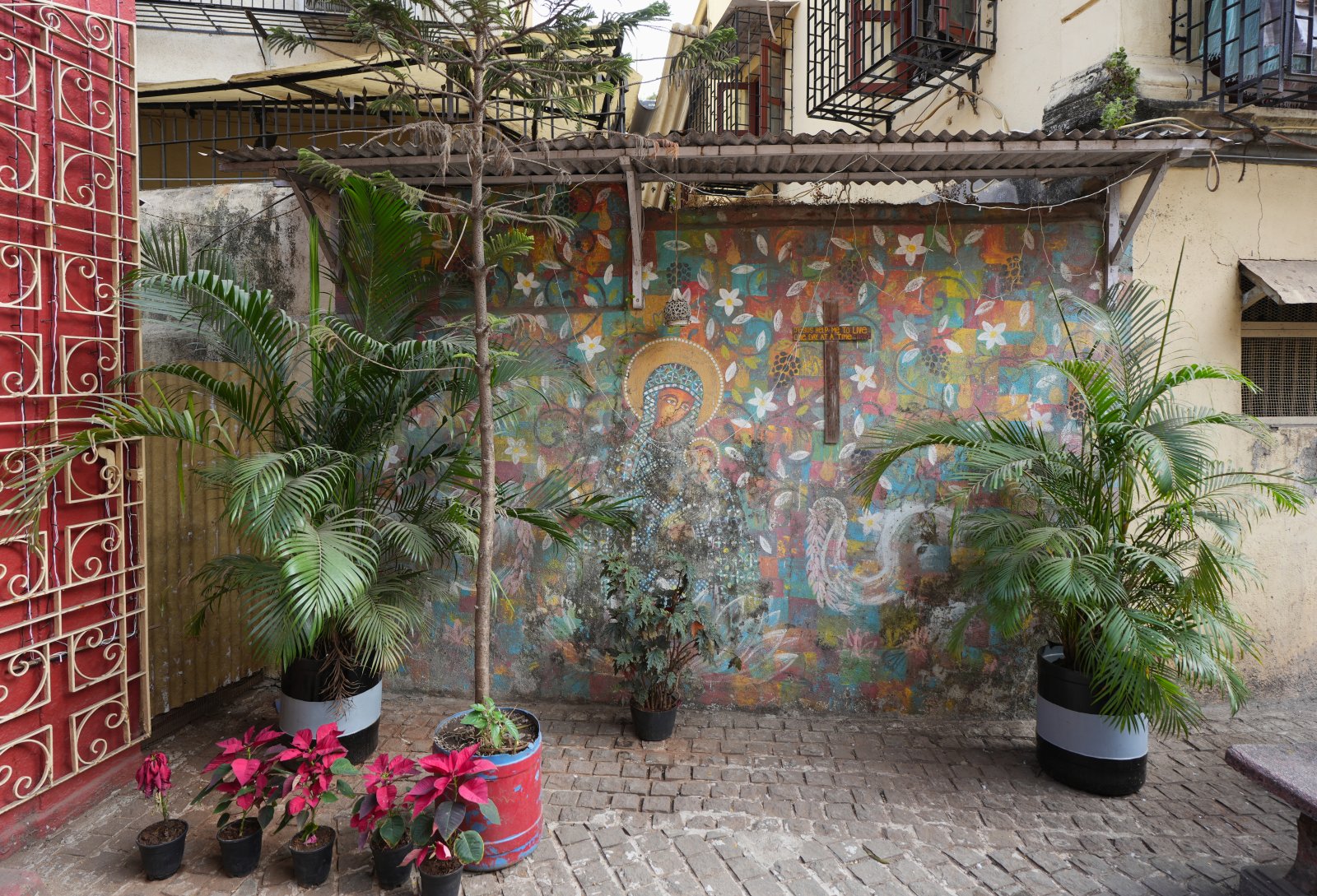
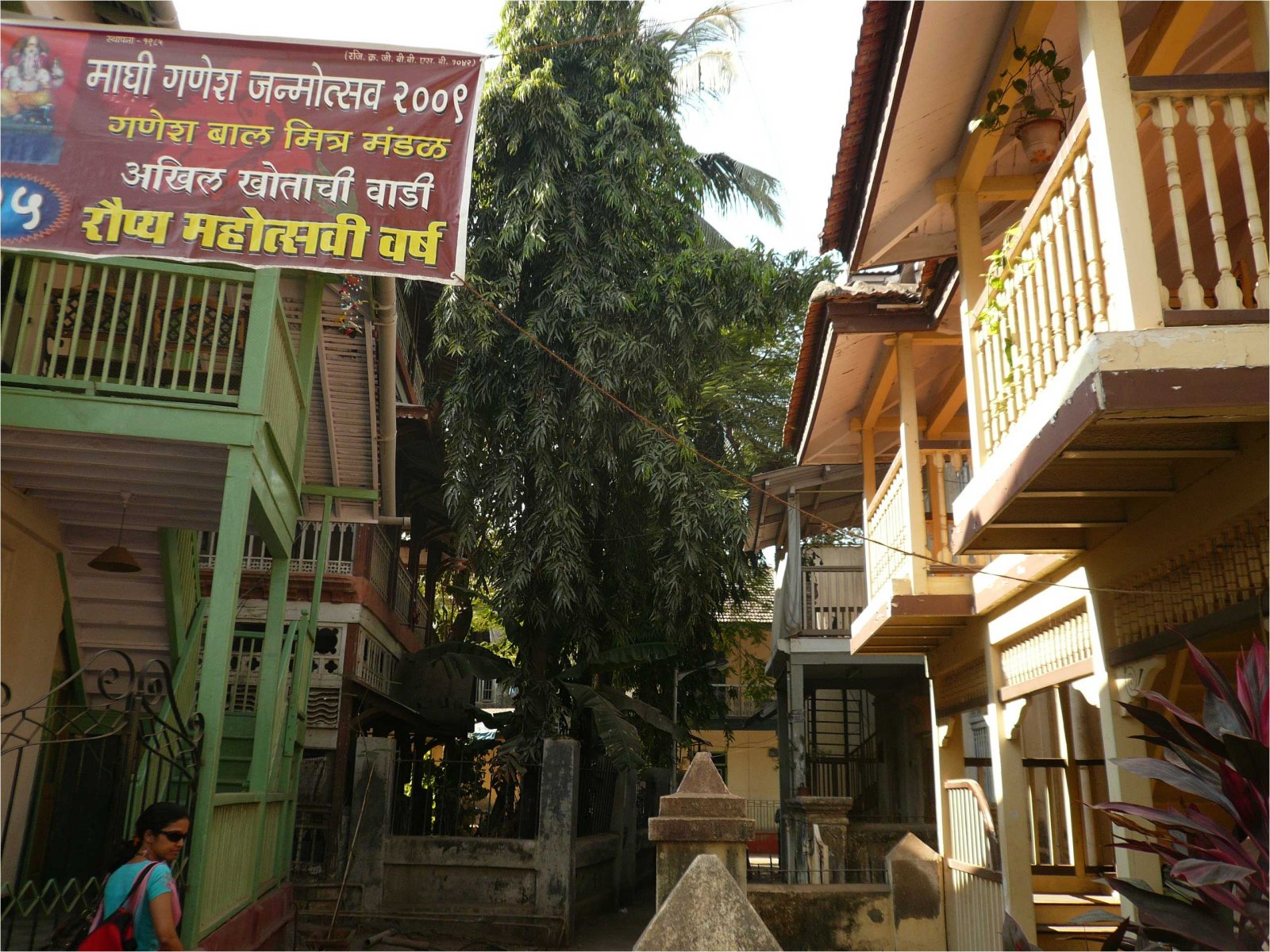
As you wander through the narrow lanes of Khotachiwadi, you will be enchanted by the vibrant colors of the houses and their charming wooden balconies adorned with ornate carvings. The architectural style reflects the Portuguese influence, characterized by sloping roofs, stained glass windows, and intricate ironwork. The village’s artistic significance is further emphasized by the murals and artworks that grace many of the homes, showcasing local artists and their connection to the community.
Khotachiwadi isn’t just an architectural marvel; it’s also a living embodiment of local culture and traditions. The residents, a mix of East Indian families and Pathare Prabhus, celebrate various festivals with great fervor. Among these, Gudi Padwa, the Marathi New Year, stands out, marked by colorful processions, traditional music, and sumptuous feasts. The community also observes Christmas with enthusiasm, reflecting the area’s historical ties to the Portuguese. These celebrations are not merely events; they are a means of preserving the rich culture and fostering a sense of unity among residents.
The gastronomic offerings of Khotachiwadi are equally enticing. The local cuisine beautifully marries traditional Mumbai flavors with East Indian influences. Bebinca, a layered coconut dessert, and Prawn Balchão, a spicy prawn pickle, are must-try dishes that reflect the culinary heritage of the region. Street vendors often line the village, offering delicious snacks like vada pav and pav bhaji, allowing visitors to indulge in the local street food scene.
While exploring Khotachiwadi, it’s easy to overlook the intriguing stories hidden within its walls. For instance, one of the houses, known as Khotachiwadi's Heritage House, was once a hub for artists and intellectuals during the 1960s, attracting figures who would later shape Mumbai's cultural landscape. Additionally, the village is home to a small but vibrant art community, where local artists create and display their work, connecting the past with the present in meaningful ways.
For those looking to visit Khotachiwadi, the best time is during the winter months, from November to February, when the weather is pleasant, making it ideal for leisurely strolls through the lanes. Early mornings or late afternoons are particularly enchanting, as the golden sunlight bathes the colorful houses in warmth. When visiting, be sure to bring your camera to capture the picturesque scenery, and take time to chat with the locals, who often share fascinating insights about their heritage.
As you explore, look out for the intricately designed doors and windows, each telling a story of the family's legacy. Visiting Khotachiwadi also provides an excellent opportunity to discuss the challenges faced by heritage sites in urban landscapes, creating a dialogue about conservation and modernization.
In a city where change is constant, Khotachiwadi stands as a living reminder of Mumbai’s rich cultural history and diversity. It offers a rare glimpse into a bygone era and encourages visitors to appreciate the delicate balance between preservation and progress.
To truly enhance your experience in Mumbai, consider using the Secret World app to craft a personalized itinerary that highlights hidden gems like Khotachiwadi and much more.


