
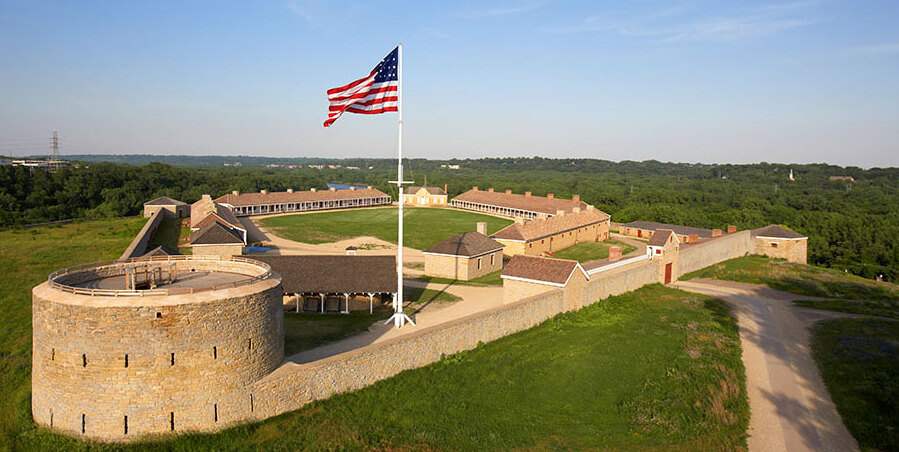

Perched on a commanding bluff overlooking the confluence of the Minnesota and Mississippi Rivers, Historic Fort Snelling stands as a sentinel to the past, a tangible reminder of a turbulent yet transformative era in American history. Founded in the early 1820s, the fort was strategically established by Colonel Josiah Snelling to protect the burgeoning frontier and facilitate trade. Its location was no mere accident; it was chosen for its vantage point, controlling the vital waterways that served as the lifeblood of transportation and commerce. Over the years, Fort Snelling evolved from a military outpost to a significant player in key historical events, including the U.S. Civil War and the Dakota War of 1862.
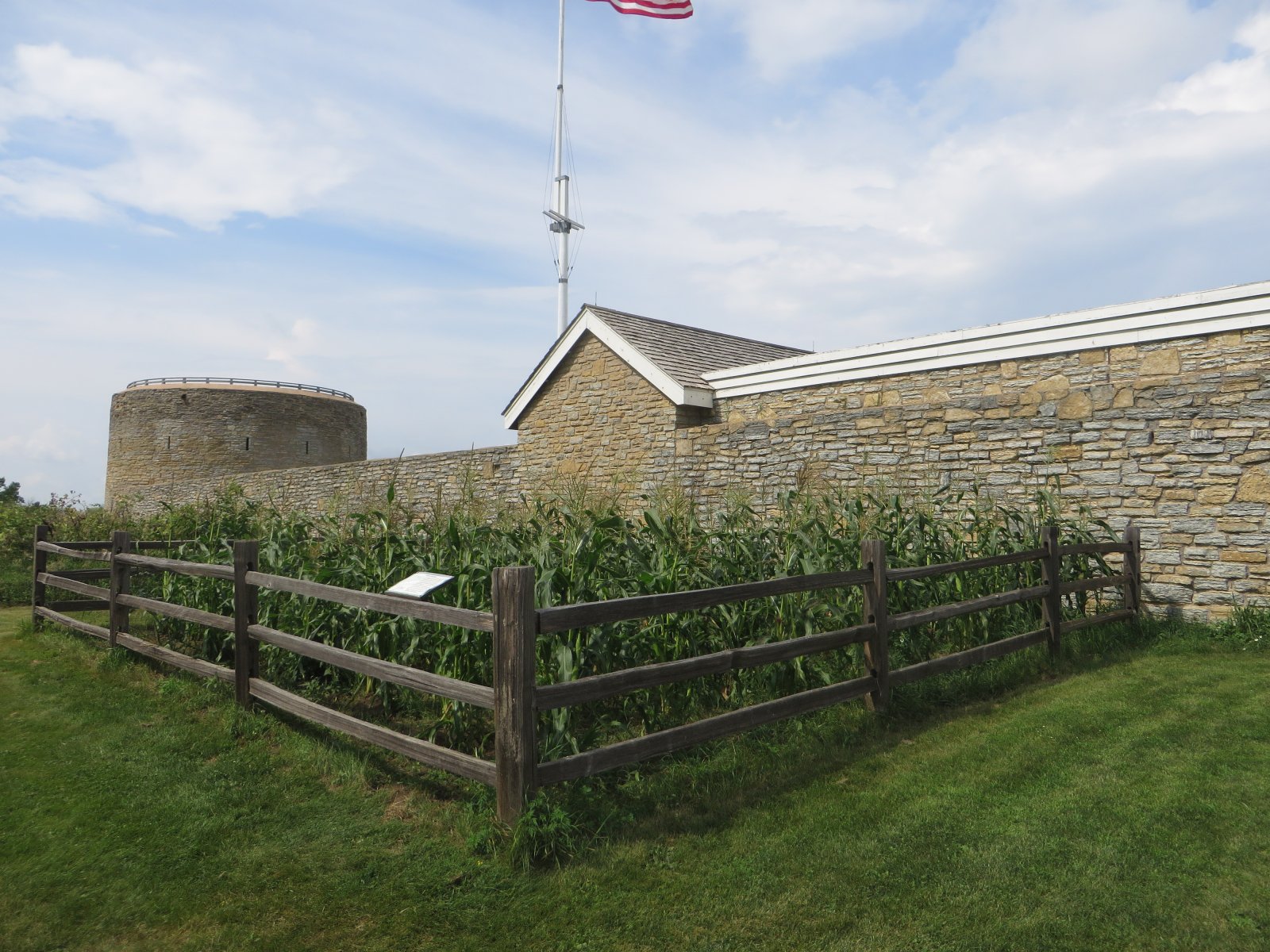
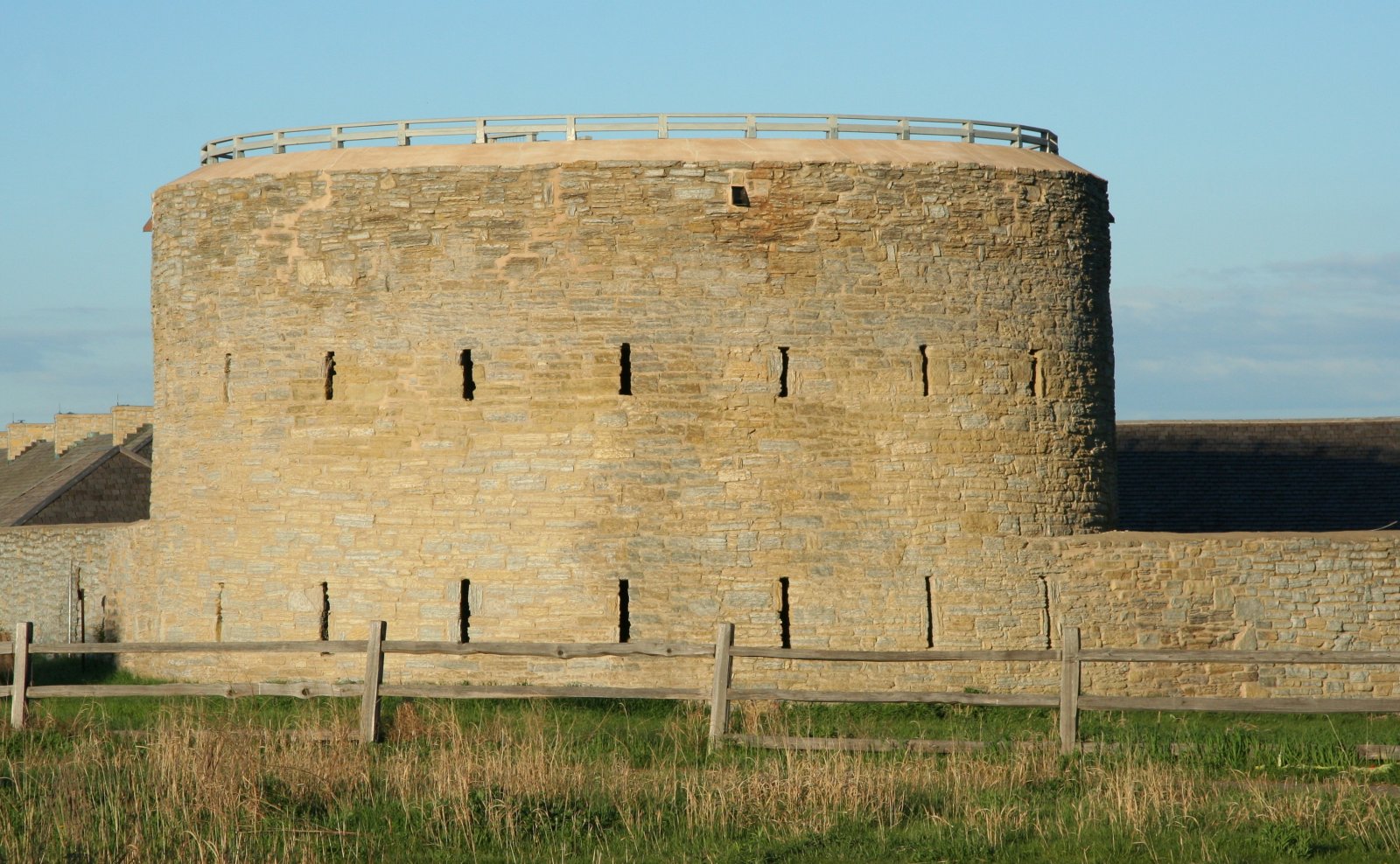
The fort's architecture is a fascinating blend of military practicality and frontier ingenuity. Built primarily from locally quarried limestone, its sturdy walls and bastions reflect the military architectural style of the period, designed to withstand both human and natural adversities. Walking through the restored barracks and officers' quarters, visitors can admire the meticulous attention to detail that speaks of the early 19th-century military life. The commanding round tower, a unique feature of the fort, offers panoramic views and is a testament to the fort’s defensive strategy. It's within these walls that costumed interpreters bring history to life, demonstrating traditional skills from musket loading to blacksmithing, each echoing the artistry and craftsmanship of a bygone era.
Culturally, Fort Snelling is deeply woven into the fabric of Minnesota's history. It served as a gathering place for various Native American tribes, and its grounds still hold spiritual significance to the Dakota people. Each year, the fort hosts events that celebrate and commemorate this rich cultural tapestry, such as the Dakota Memorial and the Military Family Day, fostering a deeper understanding of the diverse narratives that intermingle at this historic site.
Although Saint Paul is better known for its Scandinavian culinary influences, the area surrounding Fort Snelling offers a taste of the frontier’s gastronomic past. Visitors can sample dishes reminiscent of the time, with hearty stews and breads that reflect the fort's self-sustaining ethos. While the fort itself doesn't offer dining, nearby eateries pay homage to this history with traditional recipes that have been passed down through generations.
Hidden within Fort Snelling's storied past are lesser-known tales that add layers to its narrative. During World War II, the fort was repurposed as a training center for the Military Intelligence Service Language School, where Japanese American soldiers were trained in translation and interrogation. This operation played a crucial role in the U.S. military strategy in the Pacific, a surprising chapter in the fort's long history that many visitors overlook.
For those planning a visit, the best time to explore Fort Snelling is during the late spring through early fall, when Minnesota's weather is at its most welcoming. This period also coincides with a full schedule of reenactments and special events. Be sure to take a guided tour to glean insights from the knowledgeable interpreters, and don't miss the multimedia exhibits in the history center, which provide a comprehensive overview of the fort's impact and evolution.
In essence, Historic Fort Snelling is not merely a relic of the past; it is a living museum that continues to educate and inspire. Whether you're a history enthusiast, a culture seeker, or simply a curious traveler, the fort promises a rich tapestry of stories waiting to be discovered. Pack your curiosity, and prepare to traverse the corridors of time at this remarkable Minnesota landmark.


