
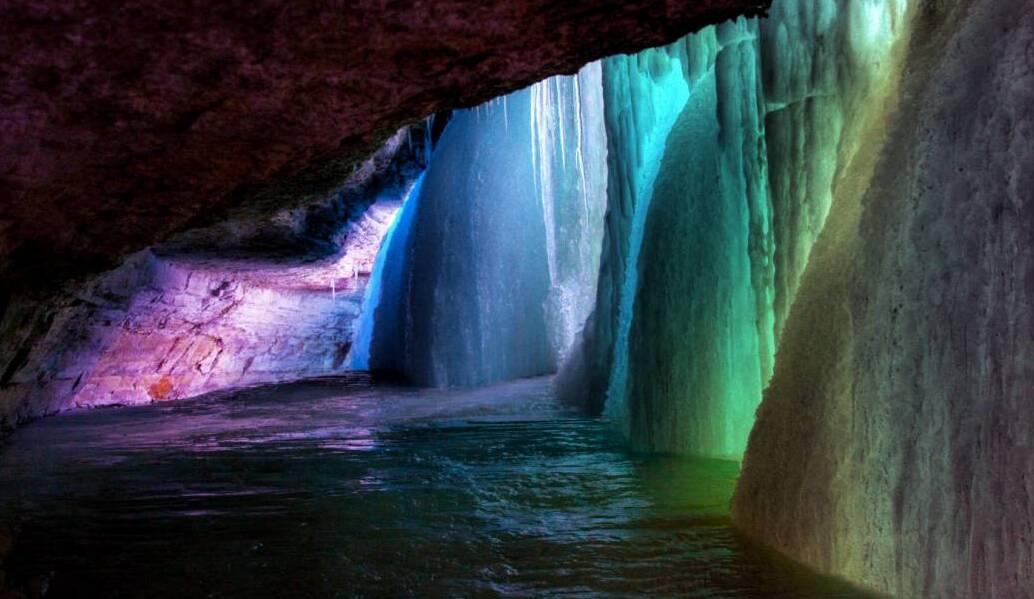

As winter weaves its icy spell over Minneapolis, the Minnehaha Falls transforms into a breathtaking wonder of nature. A frozen cascade of shimmering ice, it invites the bold to venture behind its chilling veil, revealing a hidden world both enchanting and serene. This natural marvel, nestled within Minnehaha Regional Park, is not just a spectacle of beauty but a living testament to the rich history and culture that flows through this beloved landscape.
Long before it became a centerpiece of one of Minneapolis' oldest parks, Minnehaha Falls was a sacred site for the Dakota people. The name "Minnehaha" derives from the Dakota language, meaning "waterfall" or "laughing water," a poetic nod to the falls' musical descent. In the 1850s, the area was immortalized by poet Henry Wadsworth Longfellow in "The Song of Hiawatha," which drew inspiration from the native legends and landscapes of the region. By 1889, the land was preserved as a public park, and since then, it has woven itself into the cultural fabric of Minneapolis.
Architecturally, Minnehaha Regional Park captivates visitors with its natural grandeur. The park features limestone bluffs that tell a geological story spanning millions of years. These ancient formations provide a dramatic backdrop to the falls and are complemented by rustic structures like the historic Longfellow House, a quaint recreation of Longfellow's Cambridge home, serving as a cultural touchstone within the park. The park's design thoughtfully integrates these elements with the surrounding urban landscape, offering a seamless blend of natural and man-made artistry.
Culturally, the park serves as a vibrant hub for local traditions. During warmer months, the park's lush surroundings become a stage for music and art festivals, celebrating the diverse heritage of the Minneapolis community. In winter, the falls' transformation into a frozen spectacle becomes a cherished ritual for locals and adventurous visitors alike. This seasonal shift is celebrated with a quieter reverence, as the icy formation fosters a contemplative space where the echoes of history seem to whisper through the frozen air.
While exploring the area, visitors can also indulge in the local gastronomy. The nearby Sea Salt Eatery, open seasonally, offers a taste of regional flavors with its seafood-centric menu. With dishes like fish tacos and po'boys, it provides a culinary encounter that complements the park's natural attractions. For those who prefer a warming winter treat, nearby cafes serve up steaming cups of locally roasted coffee, perfect for a brisk day of exploring.
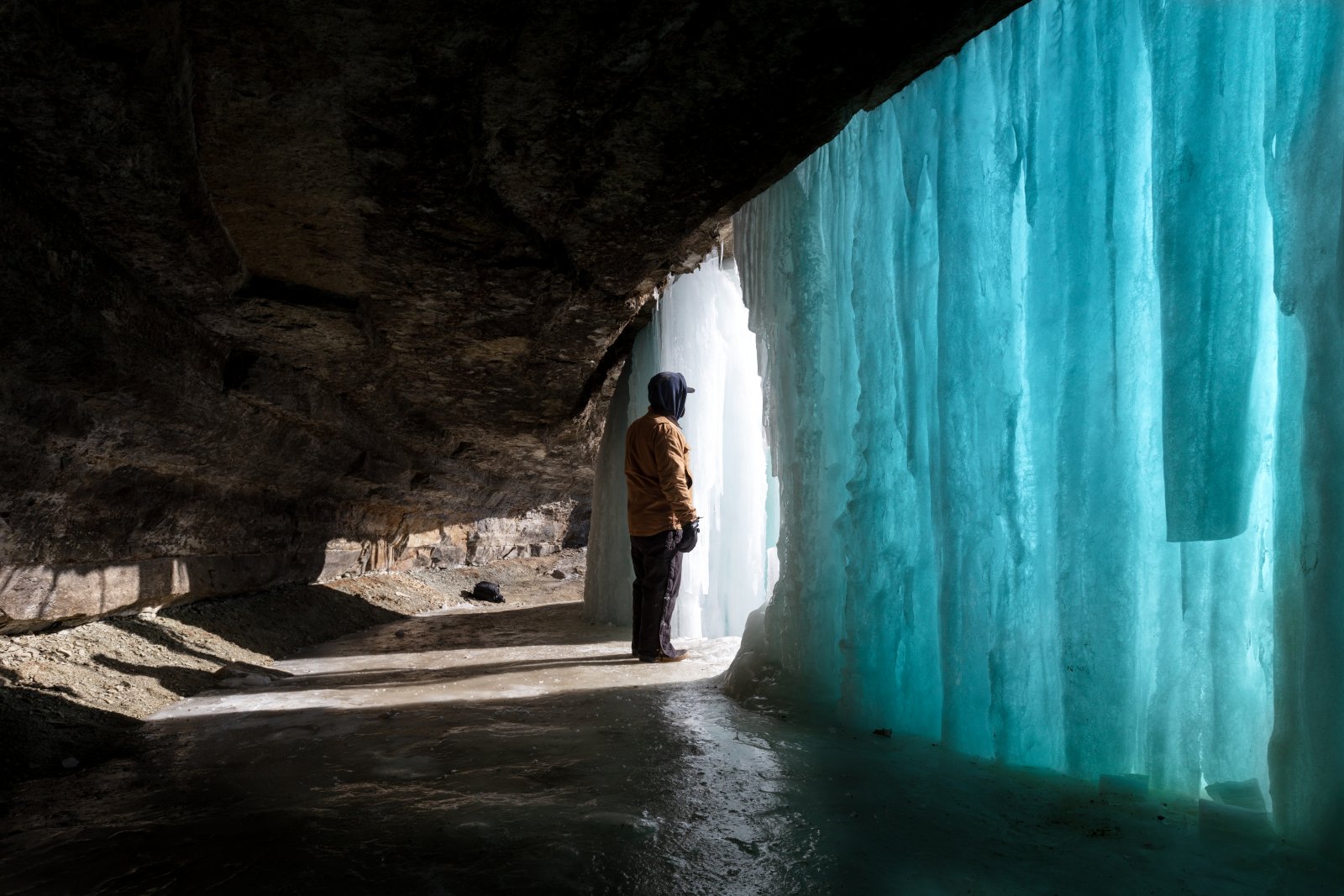
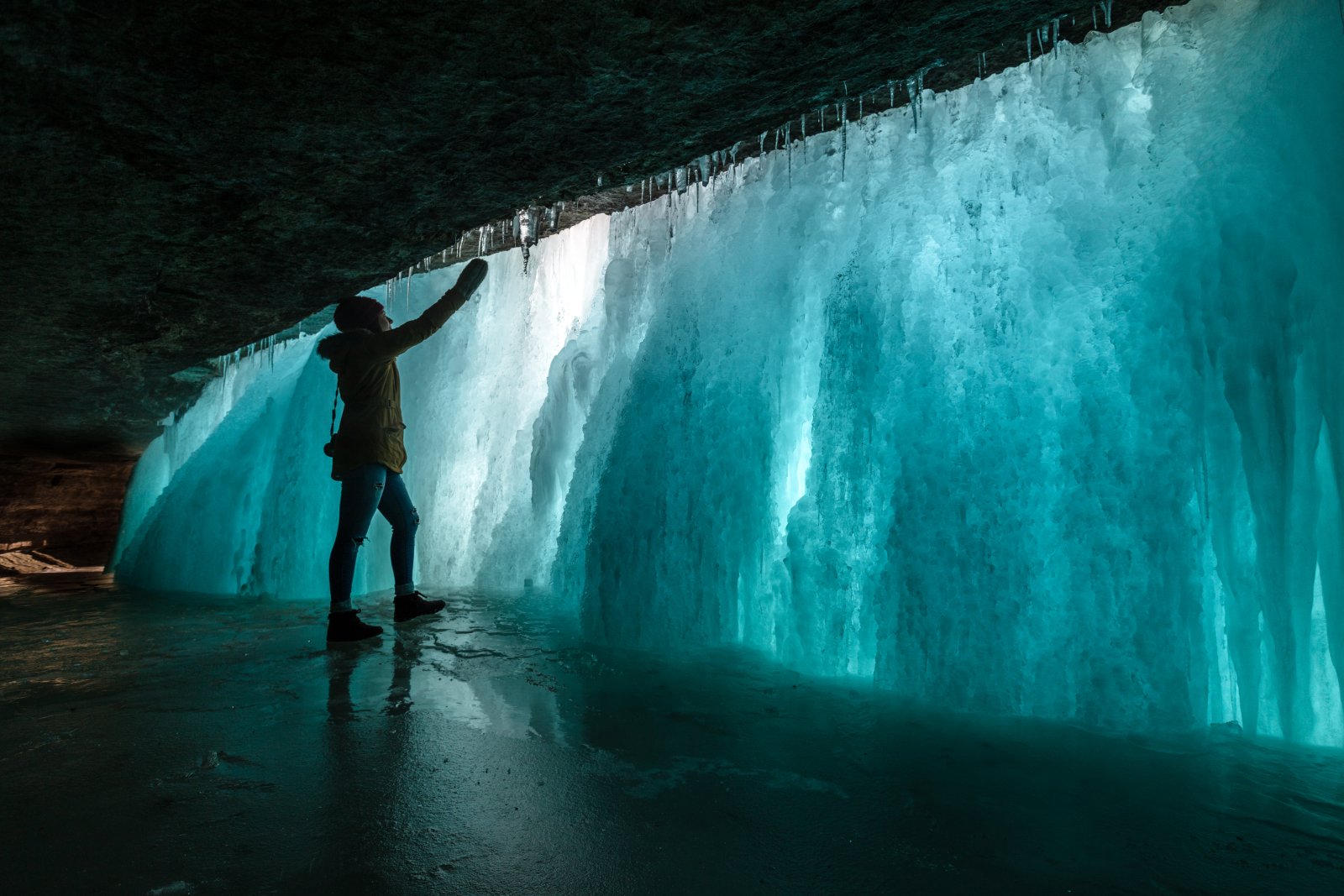
Beyond its well-trodden paths, Minnehaha Falls harbors lesser-known curiosities. Few are aware that hidden beneath the falls lies a small cave, accessible only when the ice is thick enough in winter. This secret alcove offers a unique perspective of the frozen waterfall, providing an intimate encounter with the icy stalactites that adorn its ceiling. Additionally, the park is home to the John H. Stevens House, the first wood-frame dwelling built west of the Mississippi, now a museum that chronicles the early settlement of the area.
For those planning a visit, timing is key. The winter months, particularly January and February, are ideal for witnessing the falls in their frozen glory. However, safety should never be overlooked; proper footwear and caution are advised when exploring icy paths. Visitors should also look out for the park's statues, such as the bronze sculpture of Hiawatha and Minnehaha, which offers a tangible link to the area's literary legacy.
Whether it's the allure of standing behind a frozen waterfall or the draw of its rich historical tapestry, Minnehaha Falls in Minneapolis offers a multi-layered experience that transcends seasons and time. It is a place where nature, history, and culture converge, inviting all who visit to pause and listen to the stories whispered by the laughing waters.


