
Nestled in the heart of Saint Paul, the Minnesota History Center is a treasure trove of the state’s rich history and vibrant culture. From ancient indigenous roots to modern-day contributions, this museum offers an immersive experience that resonates with both locals and travelers alike.
### History and Origins The Minnesota History Center opened its doors in 1992, but the story of Minnesota's heritage stretches back millennia. Long before European settlers arrived, the region was home to a multitude of Native American tribes, including the Dakota and Ojibwe peoples. The land bustled with trade routes and cultural exchanges, reflecting a complex society that thrived in harmony with nature.
In the late 19th century, as settlers poured in, the state saw significant changes. The Minnesota Historical Society, established in 1849, laid the groundwork for preserving history. The center serves as a culmination of these efforts, housing artifacts that tell the tales of the state’s evolution through key historical events, such as the U.S.-Dakota War of 1862 and the industrial boom that followed.
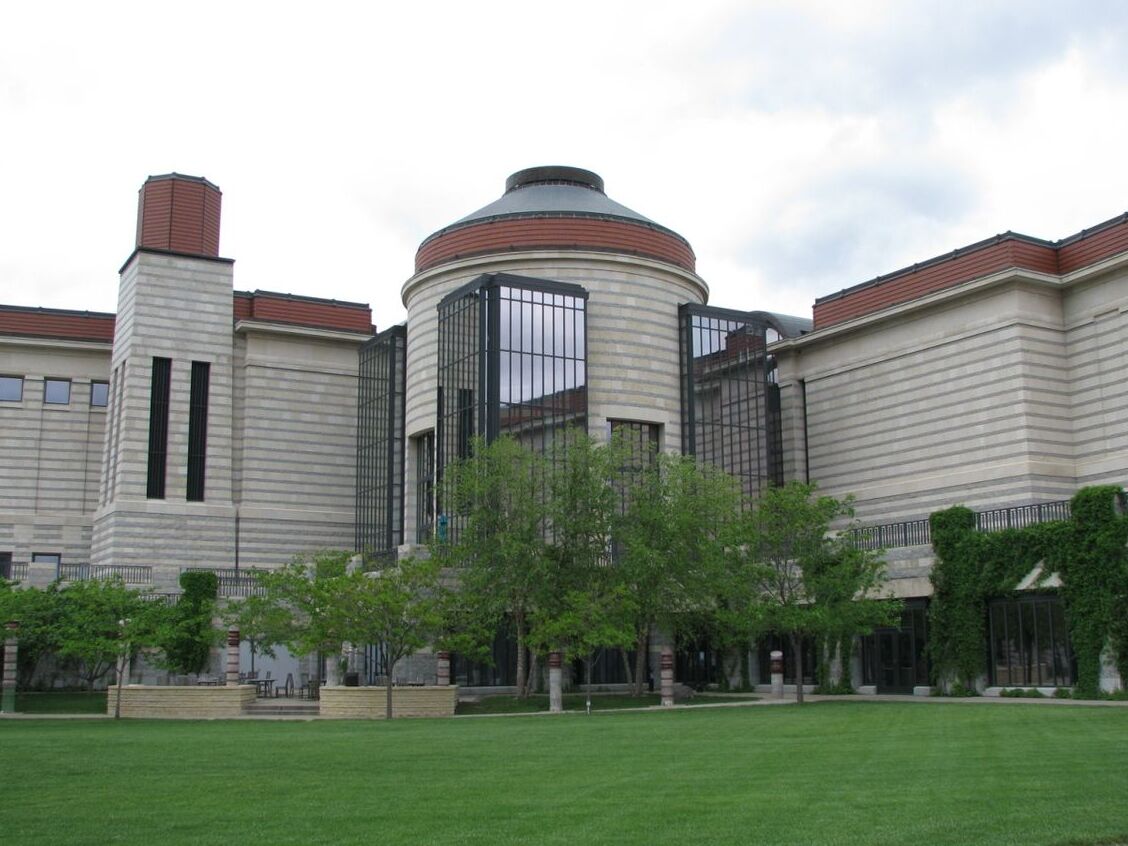
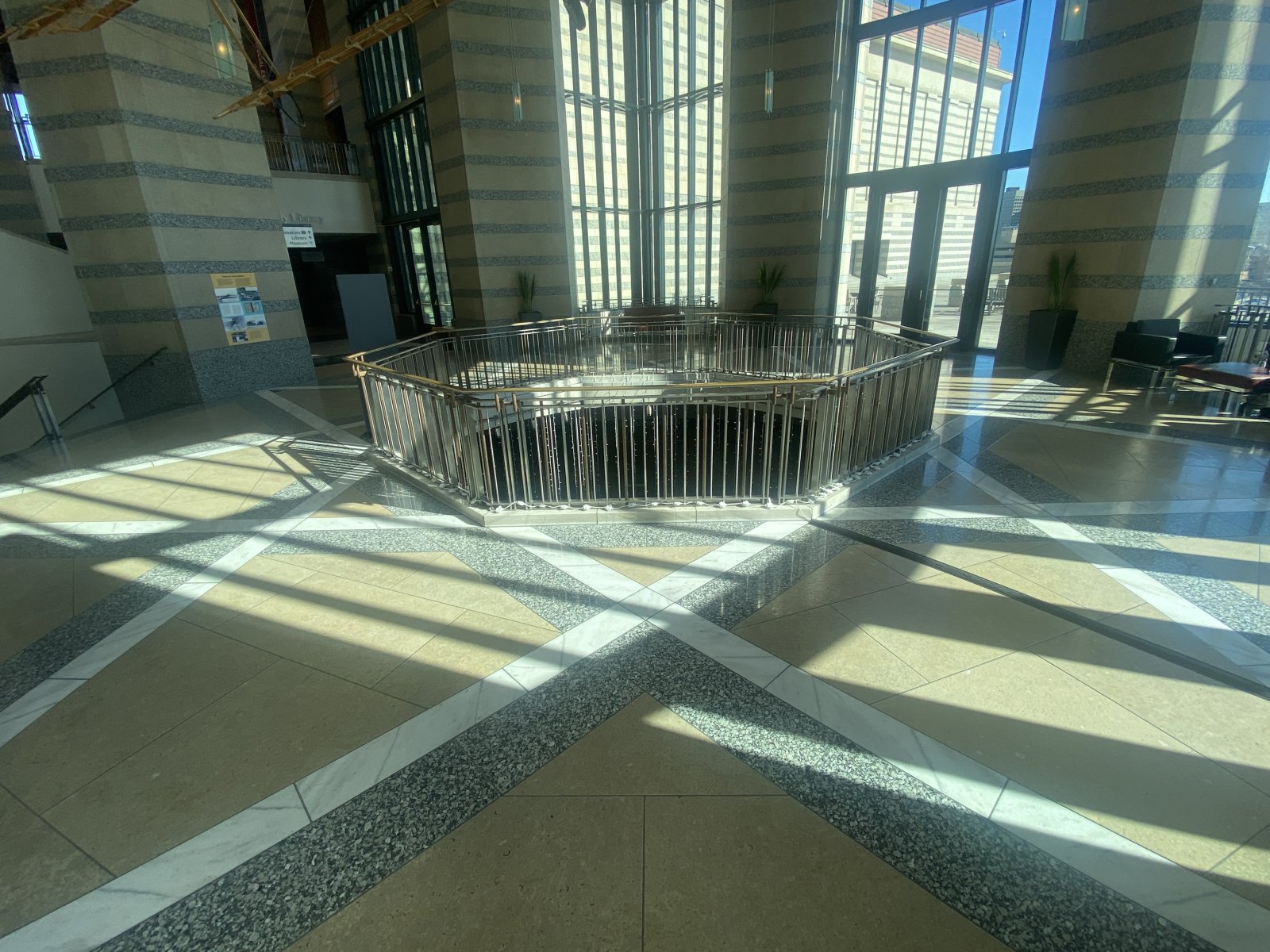
### Art and Architecture The architecture of the Minnesota History Center itself is noteworthy. Designed by the renowned architectural firm Meyer, Scherer & Rockcastle, the building features a blend of modernist and traditional styles, with expansive glass windows allowing natural light to filter through. The design incorporates local materials, connecting the structure to the landscape of Minnesota.
Inside, visitors can admire not only the exhibits but also the stunning artwork that adorns the walls. Notable pieces include works by Minnesota artists that reflect the state’s diverse cultural tapestry. Art installations often change, showcasing local talent and historical narratives in dynamic ways.
### Local Culture and Traditions Minnesota is known for its rich cultural fabric, and the Minnesota History Center is a gateway to understanding local customs. One highlight is the annual Minnesota State Fair, which features traditional foods and crafts that celebrate the state's heritage. The center often hosts events and festivals, such as Native American Heritage Month, which showcases traditional music, dance, and storytelling.
The importance of community is palpable through the exhibits, especially those focusing on the contributions of various immigrant groups. The authentic 1880s immigrant house is a poignant reminder of the diverse families who settled in Minnesota, including Italian, Irish, and Hmong communities, each contributing unique traditions and flavors to the state's cultural landscape.
### Gastronomy No visit to Minnesota would be complete without indulging in the local culinary scene. The Minnesota History Center often features exhibitions related to food history, emphasizing dishes that reflect the state's heritage. Hotdish, a casserole dish, is a beloved comfort food, while Juicy Lucy, a cheese-stuffed burger, is a Minneapolis staple that has garnered national attention.
Visitors can also savor wild rice, a grain that holds cultural significance for Native American tribes and is often used in traditional dishes. Don't forget to try kale salad and local craft beers, which showcase Minnesota's agricultural bounty and brewing expertise.
### Lesser-known Curiosities Beyond the prominent displays, the Minnesota History Center harbors lesser-known curiosities that enrich the visitor experience. For instance, the exhibit titled “This Must Be Hell” offers a gripping insight into World War II paratrooper experiences, allowing guests to step inside a C47 aircraft. This immersive experience is designed to evoke the feelings of bravery and fear felt by soldiers during the D-Day invasion.
Another hidden gem is the center's collection of personal artifacts from famous Minnesotans like Bob Dylan, Judy Garland, and Laura Ingalls Wilder. These items offer a more intimate glimpse into the lives of individuals who shaped American culture.
### Practical Visitor Information The best time to visit the Minnesota History Center is during the spring and early fall when the weather is pleasant, and the surrounding parks are in full bloom. The center is open year-round, but check the schedule for special events and exhibitions to maximize your experience.
For those planning a visit, allow at least two to three hours to explore the various exhibits thoroughly. Don’t miss the gift shop, which offers unique local crafts and books that can serve as lovely mementos of your visit.
As you step into the world of Minnesota’s past, consider how these experiences can be tailored to your interests. Use the Secret World app to create a personalized itinerary that will make your visit to Saint Paul unforgettable.
