
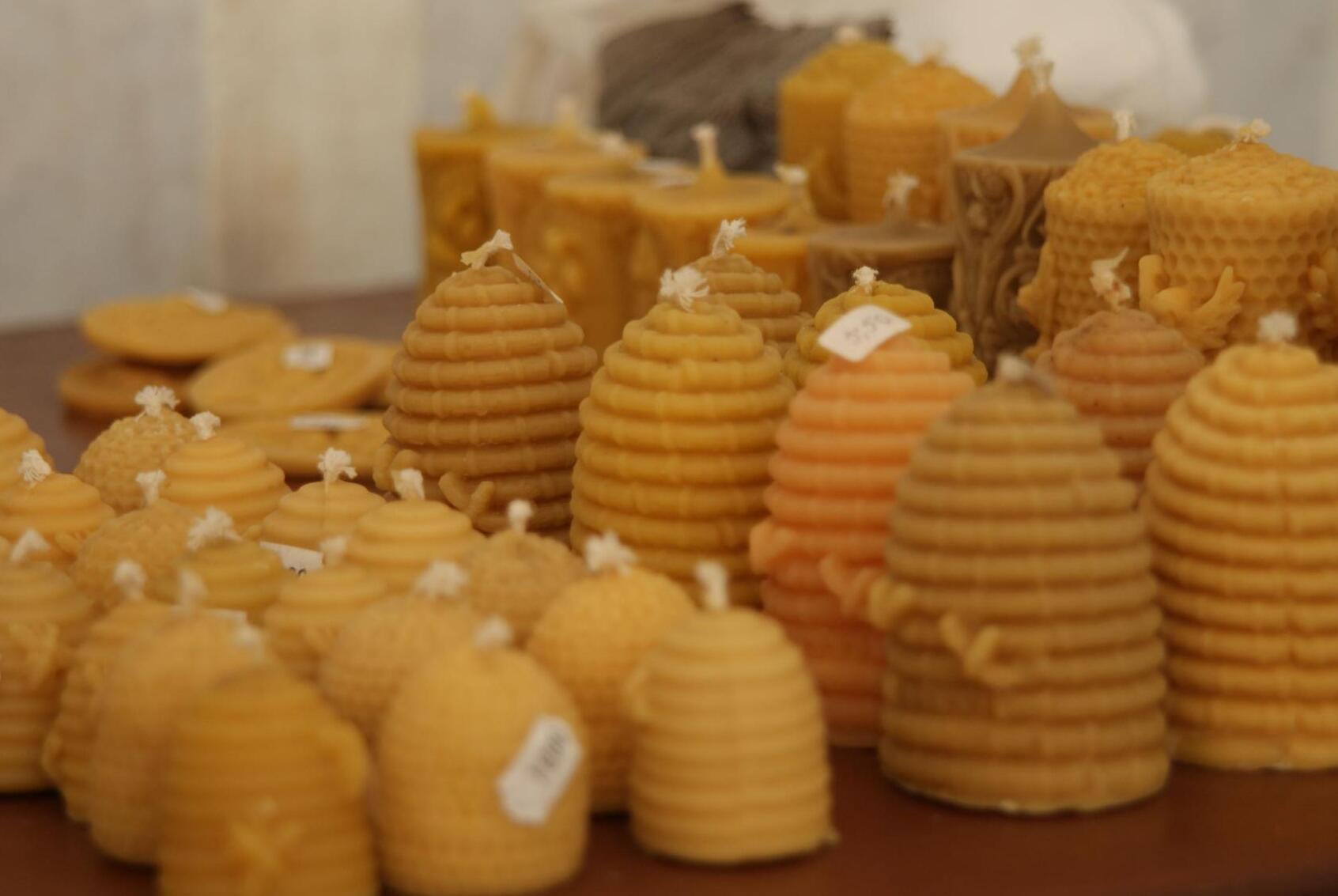

Nestled in the picturesque village of Lobbes, Belgium, the Honey and Bees Museum offers a delightful journey into the remarkable world of bees and their vital role in our ecosystem. As you step through its doors, you are immediately enveloped in the sweet scent of honey, which beckons you to explore the fascinating life of these industrious insects.
The history of this enchanting museum intertwines with the long-standing tradition of beekeeping in the region. Evidence of honey production dates back to ancient times, with archaeological findings suggesting that bees have been cultivated for their honey since the Neolithic period. The contemporary museum was founded in 2008 to celebrate this rich heritage and to educate visitors about the essential role bees play in biodiversity and agriculture. It has since evolved into a beloved fixture in Lobbes, drawing in locals and tourists alike.
Architecturally, the museum presents a charming blend of rustic Belgian style and modern functionality. The building itself is designed to be inviting, with warm wooden accents that evoke a sense of tradition while housing state-of-the-art exhibits. Inside, visitors can view an active hive through a glass panel, providing an unobstructed glimpse into the inner workings of a bee colony. The displays showcase both historical and contemporary beekeeping equipment, offering insights into the evolution of the craft.
The museum is more than just a repository of artifacts; it embodies the local culture and traditions surrounding beekeeping. Each year, Lobbes hosts a variety of festivals that celebrate this ancient practice, notably the Fête du Miel, or Honey Festival, held in late summer. This vibrant event features honey tastings, workshops, and the crowning of a "Honey Queen," reflecting the community’s deep appreciation for this natural delicacy. The festival is a testament to the cultural significance of honey in the region, where it is often used in traditional recipes and local remedies.
Speaking of gastronomy, the culinary offerings at the museum are a treat for the senses. Visitors can sample various honey products, including artisanal sweets, jellies, and even honey-infused beverages. One must-try delicacy is the mead, a fermented drink made from honey, which has roots in ancient cultures and is still celebrated in modern Belgian cuisine. The museum's gift shop also features a range of local honey varieties, each with unique flavors that reflect the diverse flora of the region.
Yet, beyond its educational offerings and sweet treats, the Honey and Bees Museum harbors lesser-known curiosities that often escape the attention of casual visitors. For instance, did you know that bees communicate through a sophisticated dance known as the waggle dance? This unique movement conveys crucial information about the location of pollen sources. Additionally, many people are unaware that bees are responsible for the pollination of about one-third of the food we consume, making their conservation vital for global food security.
When planning a visit, the best time to explore the Honey and Bees Museum is during the warmer months, from April to October. During this period, the apiary can be visited upon request, allowing you to witness the bees in their natural habitat and learn from the enthusiastic beekeepers on site. It’s advisable to book a guided tour in advance to ensure a comprehensive experience and to gain insights from knowledgeable staff who are passionate about their craft.
Don’t forget to take a stroll through the surrounding landscape, as the lush fields and quaint roads of Lobbes offer a serene backdrop to your visit. Look out for blooming wildflowers, which are essential for the bees and contribute to the area’s stunning natural beauty.
In conclusion, the Honey and Bees Museum in Lobbes is a delightful destination that combines history, culture, and gastronomy, all centered around the fascinating world of bees. A visit here not only satisfies your curiosity but also deepens your appreciation for these incredible creatures and their contributions to our planet. For a personalized itinerary that includes this enchanting museum and other local treasures, consider using the Secret World app to plan your visit to Lobbes.


