
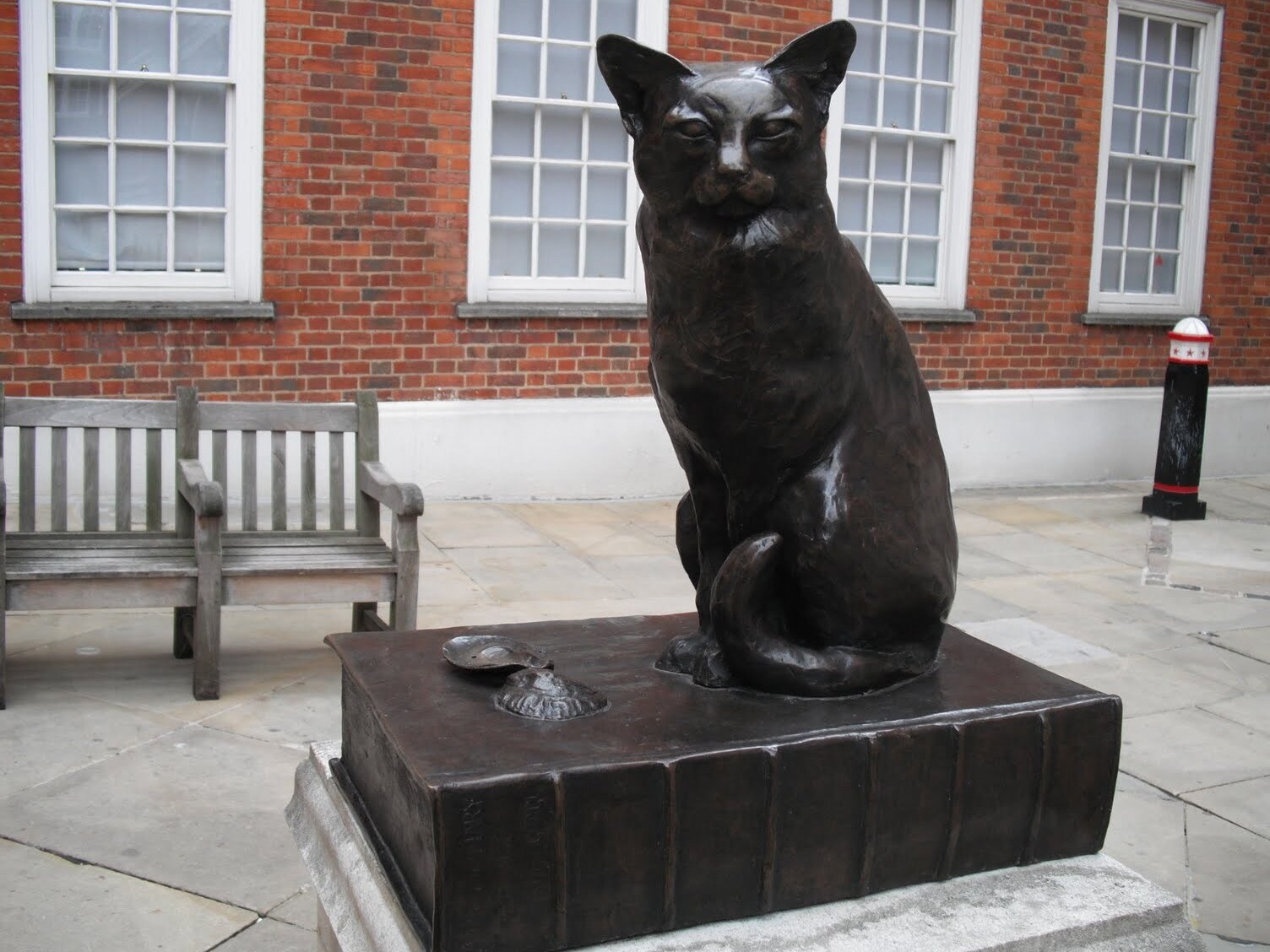

Nestled in the heart of London, a city teeming with history and culture, lies an unexpected tribute to a beloved pet: Hodge, one of the cherished cats of the eminent 18th-century writer Samuel Johnson. While cats often remain in the shadows of history, Hodge has been immortalized through the whimsical words of James Boswell in his celebrated biography, *The Life of Johnson*. This feline's legacy offers a unique lens through which to explore the rich tapestry of Georgian London and the cultural milieu of the time.
Samuel Johnson, a towering literary figure known for his contributions to English literature, particularly his comprehensive dictionary, was a man of many facets. Among his myriad interests was his affection for his cats, especially Hodge. At a time when cats were often seen merely as utilitarian creatures for pest control, Johnson's affection was remarkable. Boswell recounts that Johnson would personally buy oysters for Hodge, a luxury at the time, to spare his servants the displeasure of handling the mollusks. This tale of tenderness and humanity has captured the imagination of many, leading to Hodge's enduring fame.
The legacy of Hodge is enshrined near Johnson's House at 17 Gough Square, a quaint Georgian townhouse that now serves as a museum dedicated to the life and works of Samuel Johnson. Visitors to the museum can admire the statue of Hodge, sculpted by Jon Bickley and commissioned in 1997. The bronze figure of Hodge sits atop a dictionary, a nod to Johnson's monumental work, and is accompanied by the inscription "a very fine cat indeed," echoing Boswell's affectionate words. This charming piece of art offers a tangible connection to the past, inviting visitors to ponder the domestic life of one of England's greatest men of letters.
Beyond the statue, the area around Gough Square is a delightful enclave that whispers stories of the past. The architecture of the period, characterized by its symmetrical facades and sash windows, offers a glimpse into the aesthetic sensibilities of the Georgian era. As you stroll through the cobbled streets, you can almost hear the echoes of history, from the lively discussions of literary giants to the everyday bustle of 18th-century London.
London's cultural landscape in Johnson's time was vibrant, a melting pot of ideas and traditions. The city was a hub for intellectuals, artists, and writers, many of whom gathered in coffee houses to debate and share their works. These establishments were the social networks of their day, fostering an exchange of ideas that shaped the intellectual currents of the time. Hodge, in his own quiet way, was part of this world, a silent observer of the vibrant cultural tapestry that surrounded him.
While the gastronomic scene of 18th-century London might not resemble today's culinary diversity, it was still rich with its own unique flavors. Oysters, Hodge's preferred treat, were a common food of the time, enjoyed across the social spectrum. The city's markets were brimming with fresh produce and meats, and traditional British fare such as pies and puddings would have been staples. For those visiting modern London, exploring traditional British cuisine, perhaps at a historic pub, can offer a taste of the past.
One lesser-known curiosity that adds depth to the story of Hodge is London's historical relationship with its feline residents. Cats have long been integral to the city, controlling vermin in both grand houses and modest homes. The affection Johnson showed Hodge was not an isolated sentiment; stories of cherished cats can be found throughout London's history, each adding a layer to the city's rich narrative.
For those planning a visit, the best time to explore Johnson's House and its surroundings is during the milder months of spring or autumn, when London's weather is more welcoming. The museum offers a fascinating insight into the life of Samuel Johnson, with exhibits that include original manuscripts and personal artifacts. Be sure to take time to wander the nearby streets, where history seems to linger around every corner.
In a city as vast and storied as London, the tale of a single cat might seem small, yet Hodge's legacy reminds us of the humanity and affection that transcend time. As you stand before his statue, contemplating the bond between a man and his cat, you partake in a shared history that continues to charm and inspire.


